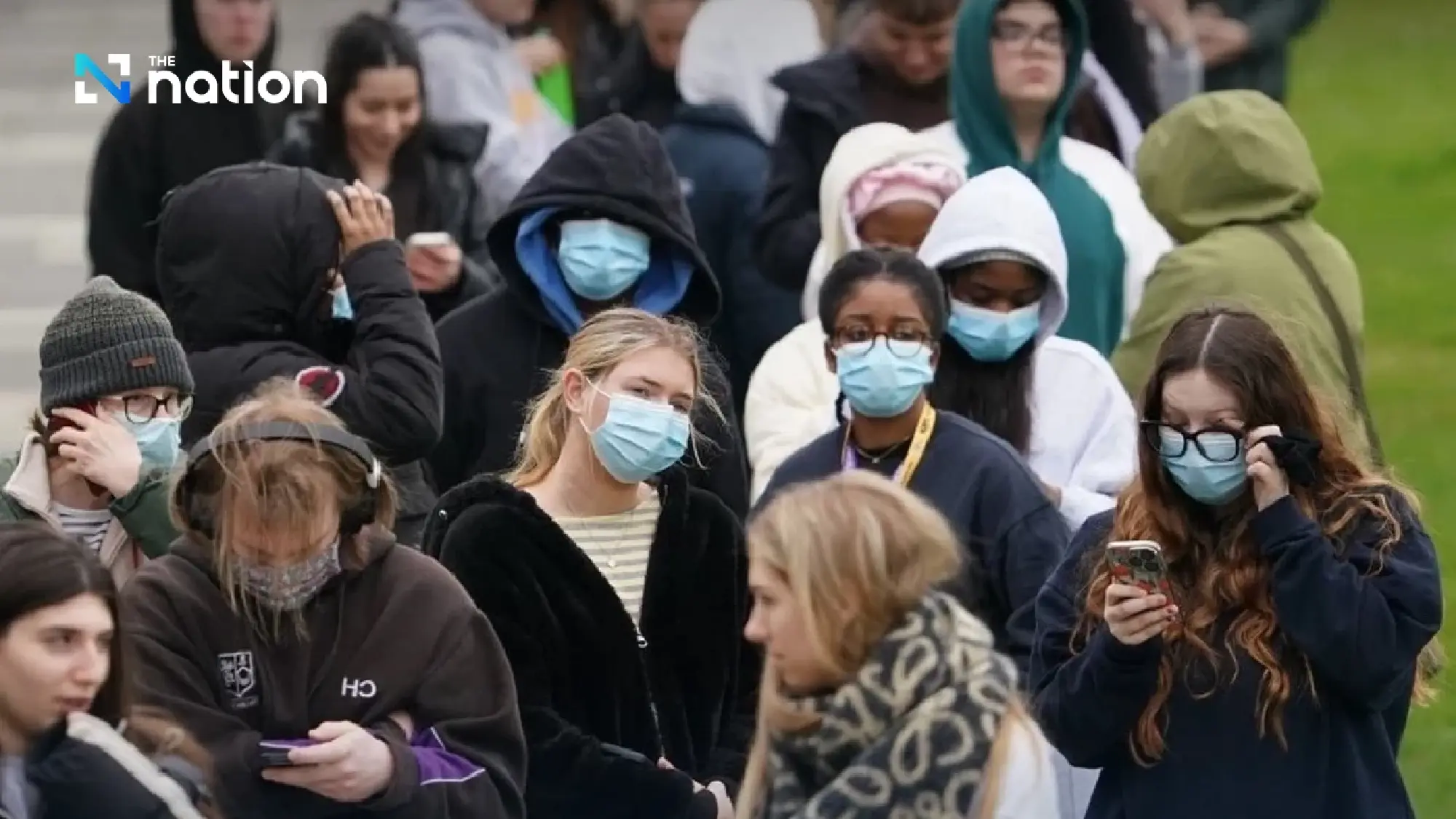
UK meningococcal outbreak raises alarm after two deaths



UK health authorities have stepped up emergency measures after a fast-moving MenB cluster in Kent left at least two dead and triggered urgent vaccination and prevention efforts.
- An outbreak of Meningitis B among students in UK, particularly at the University of Kent, has prompted an urgent warning from health authorities.
- The outbreak is considered severe and has caused at least two deaths, including a university student and a secondary school pupil.
- In response, a temporary vaccination center was set up to administer over 1,000 doses to students and staff considered to be at very high risk.
- Experts are raising alarm because the disease's early flu-like symptoms can deteriorate rapidly within hours into a life-threatening condition.
The outbreak of meningococcal disease in UK has become a major source of fear among parents and students after the UK Health Security Agency (UKHSA) issued an urgent warning following the spread of Meningitis B among students at the University of Kent.
After laboratory confirmation found several infected students, health authorities moved quickly to contain the situation by deploying staff to set up a temporary vaccination centre and rushing more than 1,000 doses to students and staff considered to be at very high risk, in an effort to build immunity and prevent the disease from spreading beyond the university.
The outbreak is reported to have begun in early March 2026 in the United Kingdom, particularly in Canterbury, Kent, where invasive meningococcal disease caused by meningococcal group B, or MenB, has spread in an unusually severe and rapid manner.
At least two people have died, including a 21-year-old University of Kent student and a secondary school pupil in Faversham, prompting the authorities to raise the warning level and intensify emergency measures.

Experts warned that meningococcal disease, particularly group B, is highly dangerous because its early symptoms may resemble influenza, but the condition can deteriorate rapidly within only a few hours, leading to bloodstream infection or meningitis.
The symptoms that require especially close attention include a sudden high fever with cold hands and feet, severe headache or a stiff neck, a red rash or bleeding spots on the skin that do not fade when pressed with a glass, sensitivity to light, and a rapid decline in alertness.
The three main signs are fever, rash and meningitis.
The disease is caused by the bacterium Neisseria meningitidis.
The Thai name reflects the severity of the illness: “kai kan lang aen” is associated with a disease that can kill quickly, while “lang aen” refers to the arching of the back that may occur during severe convulsions.
The rash may appear like bruising or in a distinctive starburst pattern, most often on the lower torso, legs and feet.
Health officials and specialists stressed that the disease is transmitted through the respiratory route, including coughing, sneezing, phlegm and saliva.
It is considered a medical emergency.

If the infection enters the bloodstream, the fatality rate may be as high as 70-80%.
Treatment requires urgent intravenous antimicrobial drugs, such as penicillin or cephalosporins, and timely treatment can help reduce the death rate.
A spokesperson for the University of Kent said the institution had stepped up cleaning measures and public communications, advising students not to share utensils and to avoid close contact in crowded places.
The university also stressed that vaccination is currently the best form of protection.
The incident is being viewed as an important lesson for educational institutions around the world, including in Thailand, to remain alert to outbreaks among teenagers and young adults living together in dormitories, because the later the disease is treated, the lower the chance of surviving without disability or death.
Professor Dr Yong Poovorawan, Fellow of the Royal Society of Thailand, Office of the Academy of Science, and the Center of Excellence in Clinical Virology, Faculty of Medicine, Chulalongkorn University, wrote on Facebook under the topic “The outbreak of meningococcal disease among university and school children in UK” that the disease is caused by bacteria, develops quite quickly and is severe.
Although antibiotics are available for treatment, in serious cases, the drugs may not be given in time to prevent death.
He said that in this outbreak in UK, there had been 2-3 deaths among school pupils and university students.
What is particularly important, he added, is that close contacts must also receive antibiotics to prevent the disease, which is why each outbreak can cause considerable disruption when large numbers of students fall into the contact category.
He also noted that this bacterium has several serotypes, including A, B, C, W and Y.
In Thailand, the strain more commonly found is serotype B.
Although the disease is not often seen in large outbreaks in Thailand, it does appear sporadically and is usually found among people living in crowded settings such as dormitories, military camps and schools.
He said students travelling abroad, particularly during school holidays, whether to study or join work-and-travel programmes in group settings, should be vaccinated before departure.
The vaccine commonly required for study in Western countries mainly covers four strains, ACWY.
A vaccine for type B has now also been developed, but because the disease is not common in Thailand, it has not yet been widely used.
Nevertheless, close monitoring remains necessary, particularly in the case of cluster outbreaks.