
Indonesia moves towards all-electric transport in bid to curb imports
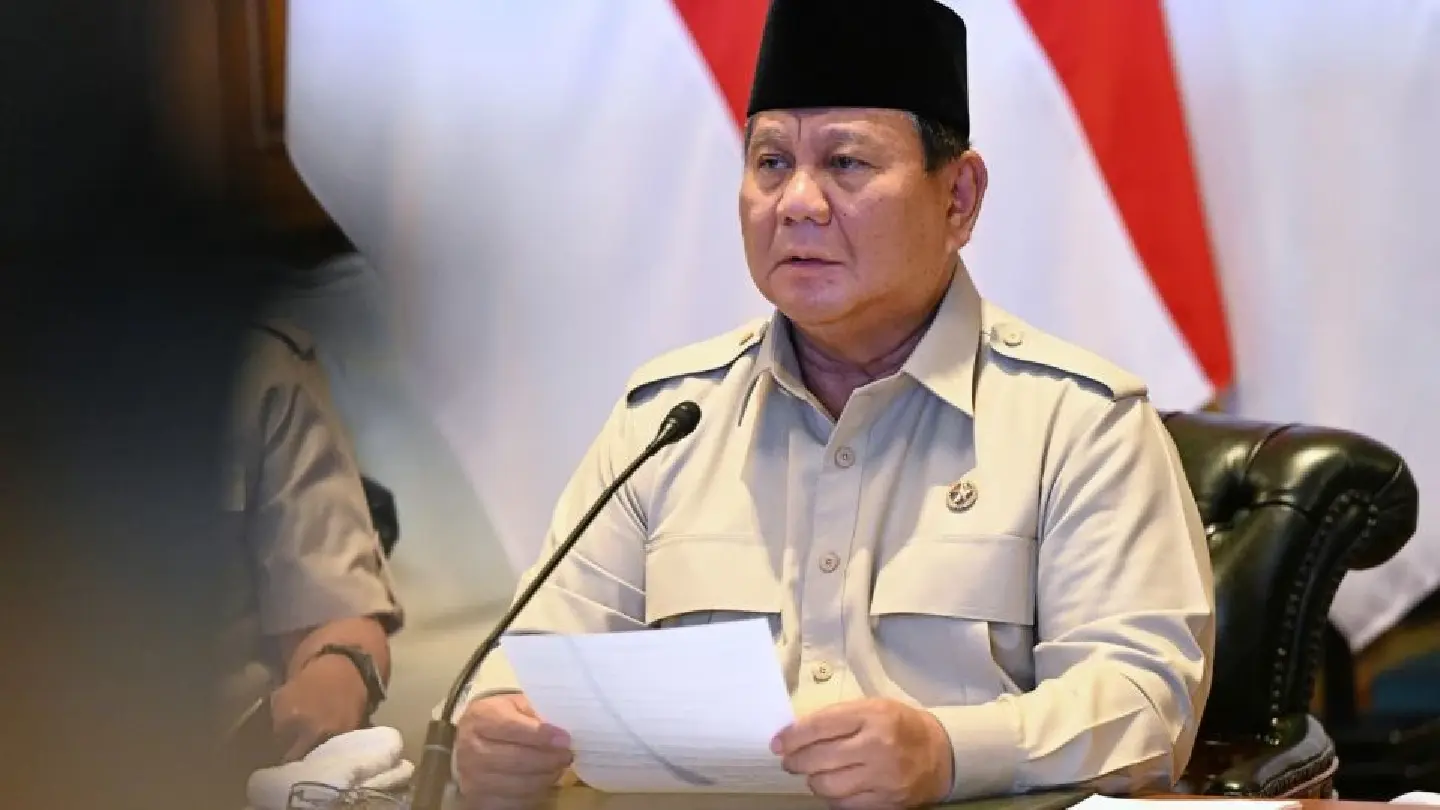


President Prabowo Subianto is pushing for the country to shift entirely to electric, solar-powered vehicles across personal, public and commercial transport, as part of a broader plan to revive domestic industry and cut reliance on imports.
Speaking in a session with journalists and economists at his residence in Hambalang, West Java, Prabowo said the transition would cover not only cars and motorcycles, but also buses, trucks and heavy-duty vehicles such as tractors.
“I want everything to be electric,” he said in a YouTube broadcast on Thursday, warning that reliance on internal combustion engines would keep the country dependent on imported fuel.
Indonesia has become a net importer of crude oil and fuel since the early 2000s, as output declined while demand rose, leaving Southeast Asia’s largest economy vulnerable to global price shocks.
Nearly half of daily fuel demand is met through imports as consumption climbed to 232,417 kiloliters per day in 2025, according to Energy and Mineral Resources Ministry data.
Prabowo also reiterated plans to mass-produce a so-called “national car” under a homegrown brand to curb reliance on imported vehicles, an idea he has championed since taking office in 2024 and tasked state-owned defence firm PT Pindad with developing.
“I want to build a car factory. Why are we just a market for other countries’ cars? Because it comes down to the will [to develop our own industry],” he said.
He pointed to countries such as Japan and South Korea, which lack raw materials but have built strong auto industries, while Indonesia, rich in minerals such as bauxite used in car manufacturing, has yet to fully develop its own manufacturing brand.
The government has run simulations showing potentially significant savings from accelerating electric vehicle adoption, he added, alongside broader gains from reindustrialisation.
“The savings are extraordinary. If the strategy is right, we can revive industrialisation,” he said, adding that deindustrialisation remains a key problem the government aims to address through job creation and stronger domestic industries.
To power the shift to electrification, Prabowo is targeting up to 100 gigawatts of solar power capacity within two years, distributed partly through his flagship Red and White Cooperatives (KDMP) program, while aiming to convert up to 120 million motorcycles within three to four years.
The ambition far outpaces current capacity. Installed solar power reached just 916 megawatts in 2024, with an additional 495 megawatts built by mid-2025, energy ministry data show.
Asia News Network
