
Helping young people learn about their local culture
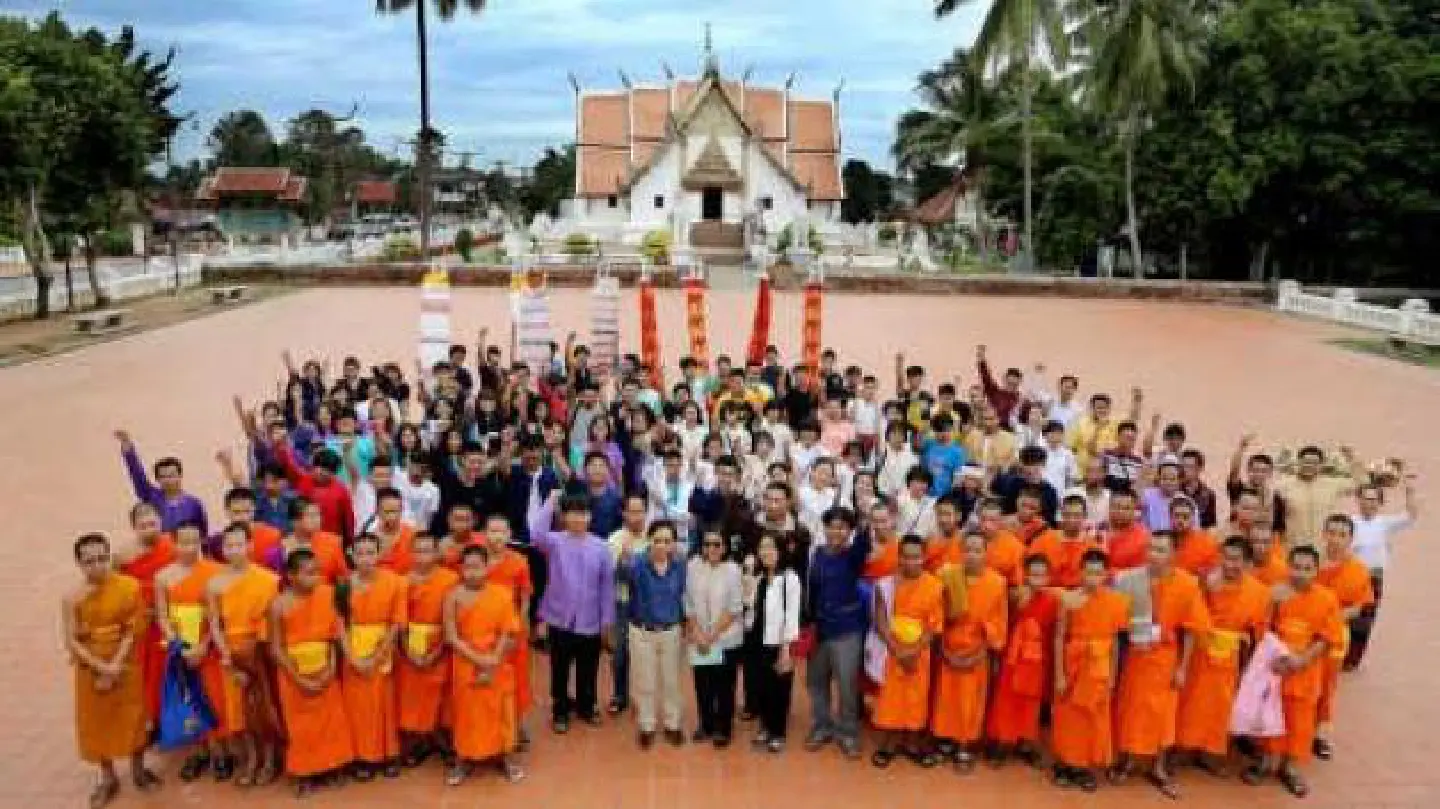


Like their peers elsewhere in the country, youths in Nan are increasingly influenced by Western culture and modern lifestyles, but a project has recently been implemented to empower the province's youngsters to help preserve their hometowns' dying cultura
Encircling a bamboo-made stage and seats, white booths lined up under a part-cloudy, part-sunny afternoon sky.
Each of them was mindfully decorated by some of Nan province’s active youth citizens, who were keenly welcoming visitors to explore their projects, all of them related to the treasures hidden in each of their communities.
In the aligned booths at the exhibition, each project under the overall "Empowering Young Network of Nan Province" project displayed the province’s cultural, food security and natural resources aspects that are embedded in each Nan community.
Co-organised by the Siam Commercial Foundation and the Thai Health Promotion Foundation, the exhibition was part of activities held in this, the first year of the three-year "Empowering Young Network of Nan Province" project.
It was joined by 18 groups of active Nan’s youths, who are seeking to become influential in their communities in solving current problems, and to become the connection between the province’s old and new generations.
The project was divided into three categories: culture, natural resources and food security.
At one booth, 19-year-old Palida Intasaen and her group took visitors through the history and culture of Tai Lue, an ethnic-minority tribe living in the northern part of Thailand.
Group members have conducted research into the relationships between people in their village and community through old pictures they found in family albums in each household in the village, she said.
Palida explained that since starting the project, she had learned more about her community and identity, which had made her determined to restore and preserve these values by passing the knowledge and awareness on to her juniors and other youths.
Most importantly, she said the activity had aroused a sense of commitment to community among youths, despite the dominance of modern individualism in today’s world.
Another booth showed a project for planting and preserving homegrown vegetables. The booth belonged to Thanyapimon Jaiping from Bansawa School, in Bo Klua district on the mountain that surrounds Nan.
Speaking in a strong ethnic Tai Lawa accent, Thanyapimon said the project had benefited her community as a whole, since nobody had to buy vegetables anymore as they could grow their own.
Thus, people in the community are in charge of their food security, she added.
Throughout the project, her group had also come across local vegetables that cropped up randomly in the forest. They therefore decided to preserve and attempt to make use of them.
If they are successful, this could reduce the need to fell trees to grow economy crops, she said.
Restoring tradition
Meanwhile, novice Vachiravit Kongkoey was spotted immersed in crafting "Tung" (Tong Tung Pan Chang), a Lanna-style decoration that is used in Buddhism ceremonies, such as Loy Kratong and the Buddhist national sermon.
Zodiac animals were neatly painted on Tung, narrating the story of the Buddha’s previous life.
Vachiravit and fellow novice Suriya Som-ngern from Prapariyattithum Watnicrotharam School were responsible for the project to restore this tradition.
Suriya said: "We spent almost two years to research, learn and practise crafting Tung. Currently, there are only a few of us that can craft it."
"This activity is not widely learned and practised because even though many people show interest in it, they need tremendous patience to do it," Vachiravit added.
Piyaporn Manthachitra, managing director and secretary of the Siam Commercial Foundation, said the intention is to produce active citizens by encouraging them to learn about and connect themselves to the community, as once they understand where they have come from, they can learn to move forward in the right direction.
"We consider the success of the children as bonuses. To begin with, the main purpose is to ignite and implant in them the awareness and consciousness of being a part of community, being ‘citizens’ that are equally responsible for their own communities," said Piyaporn.
The project to empower youth will be held in three other provinces – Songkhla, Samut Songkhram and Si Sa Ket – starting this month, and the hope is for the idea to spread and extend to adjacent provinces, she added.
