
ICBC (Thai) has faith in True Move H
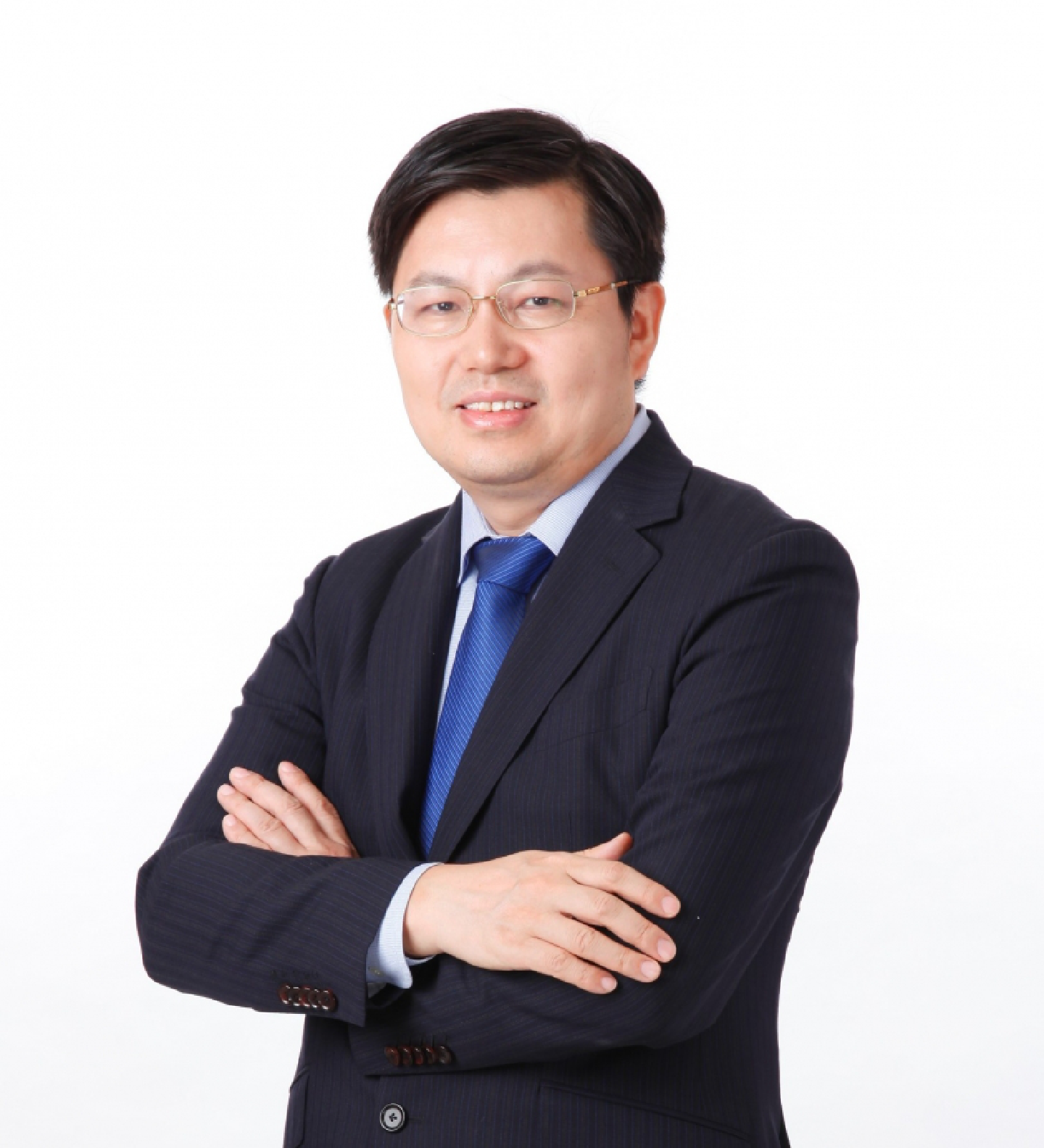


ZHIGANG LI, chairman of the Industrial and Commercial Bank of China (Thai), says there is high competition in the local telecom industry but the bank has confidence in the business model of True Move H Universal Communication (TUC), a bid winner of a 900-
In an exclusive interview with Nation Multimedia Group, Li agreed the 900MHz licence fees were quite expensive. However, he said the bright side was that Thailand’s mobile services were moving towards fourth-generation technology.
The 900MHz spectrum can also penetrate buildings, meaning a cost saving from not having to invest |too much in telecom poles.
TUC recently signed an agreement with six financial institutions – ICBC (Thai), Bangkok Bank, Kasikornbank, Siam Commercial Bank, Krungthai Bank and Kiatnakin Bank – to secure letters of guarantee worth over Bt73 billion to pay the licence fee. Nearly 50 per cent of the amount was provided by ICBC (Thai).
Li said ICBC in China had a long relationship with TUC’s parent company, the Charoen Pokphand Group, as CP had invested in China for many years.
“We’re familiar with the CP management,” he said.
Li said ICBC’s payment guarantee for the 900MHz licence would not affect the bank’s financial strength should TUC not make the full licence payment.
ICBC is the world’s largest bank in terms of total assets while ICBC (Thai) has a strong capital base, he said.
He said (ICBC) Thai did not need to raise additional capital or require a capital injection from its parent company in China.
He said the Thai subsidiary’s capital adequacy ratio was 17 per cent, which was quite high compared with the 8.5-per-cent minimum required by the Bank of Thailand.
The bank believed that True would have enough cash flow to cover the instalment payments of the licence fee. TUC recently paid the first instalment worth Bt8.6 billion.
Partly due to the TUC deal, ICBC Thai is expected to achieve higher lending growth than the industry average this year, he said.
Li said Chinese investors were expected to investment more in Thailand, after last year investing more in the country than the Japanese.
He said while most of the Chinese investors would borrow money from the Export-Import Bank of China, ICBC (Thai) typically provided loans to both local and Chinese contractors. The bank also provides leasing services to them, he said.
Li said the lending portfolio of ICBC (Thai) could be divided into three major groups – 60-70 per cent represented Thai customers, 20-30 per cent represented Chinese customers and 10 per cent international clients.
Many Chinese investors were looking for investment opportunities in tyre production here because of Thailand having plenty of natural rubber. Food processing, tourism and hotels were also eyed by Chinese investors.
Li projected the yuan transactions made by ICBC Thai would increase this year as the bank last year made settlements of more than 10 billion yuan.
The bank offers depositors at a 4-per-cent interest rate for three-month fixed deposits in yuan.
