
Asian Exchanges Race to Capture Shift in Global Capital Jet Stream



As multi-trillion-dollar indices freeze new allocations to the US, Asian bourses deploy radical listings and governance reforms to capture the historic spillover of global wealth
- A major shift in global capital is occurring as multi-trillion-dollar indices halt new allocations to the US, creating a "jet stream" of funds that Asian exchanges are competing to attract.
- The Stock Exchange of Thailand is targeting this capital by creating specialized IPO pathways for local subsidiaries of global tech firms to overcome its "old economy" reputation.
- Japan's exchange is leveraging sweeping corporate governance reforms to compel companies to deploy vast cash reserves productively, increasing capital efficiency and drawing in foreign investment.
- While a fully integrated regional exchange faces hurdles, bourses are using regulatory reforms and tools like Depository Receipts to link distinct pools of wealth and capture the capital inflows.
As multi-trillion-dollar indices freeze new allocations to the US, Asian bourses deploy radical listings and governance reforms to capture the historic spillover of global wealth.
A historic reallocation of global index capital is triggering an aggressive structural race among Asian stock exchanges, as regional market leaders scramble to modernise their listings, break down regulatory barriers, and capture trillion-dollar fund flows pivoting away from the United States.
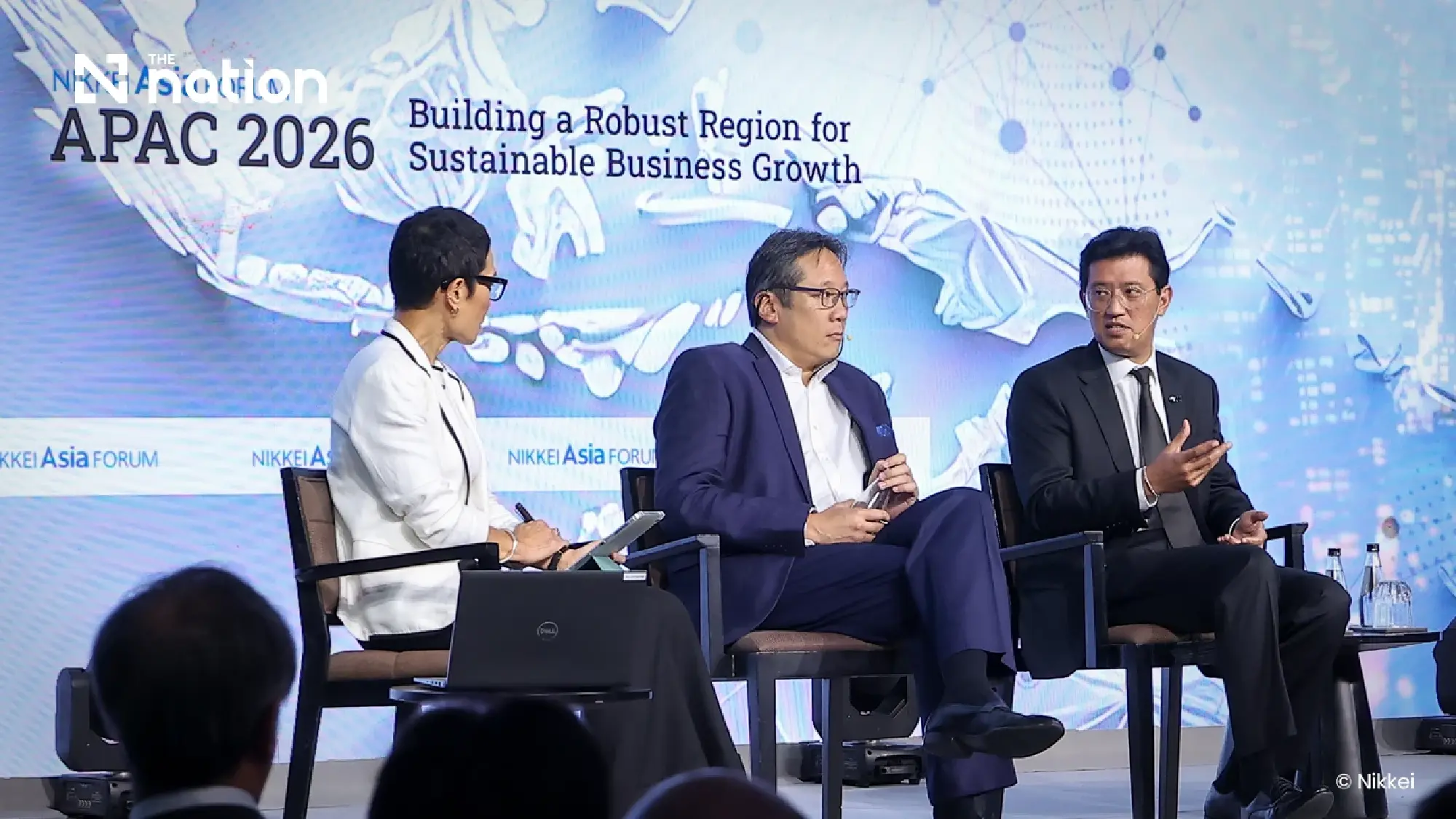
Speaking at the inaugural Nikkei Asia Forum APAC 2026 in Bangkok, chiefs from the region’s premier bourses outlined starkly different strategies to survive an era defined by high interest rates, geopolitical fragmentation, and the growing threat of private dark pools overtaking public capital markets.
Despite these macro headwinds, panellists addressing the “Asia Stock Exchange Summit: Competitiveness, Challenges, and Resilience” session revealed that a massive structural shift in global passive investment is throwing open a unique window of opportunity for regional markets.
The Trillion-Dollar 'Jet Stream' Shifting to Asia
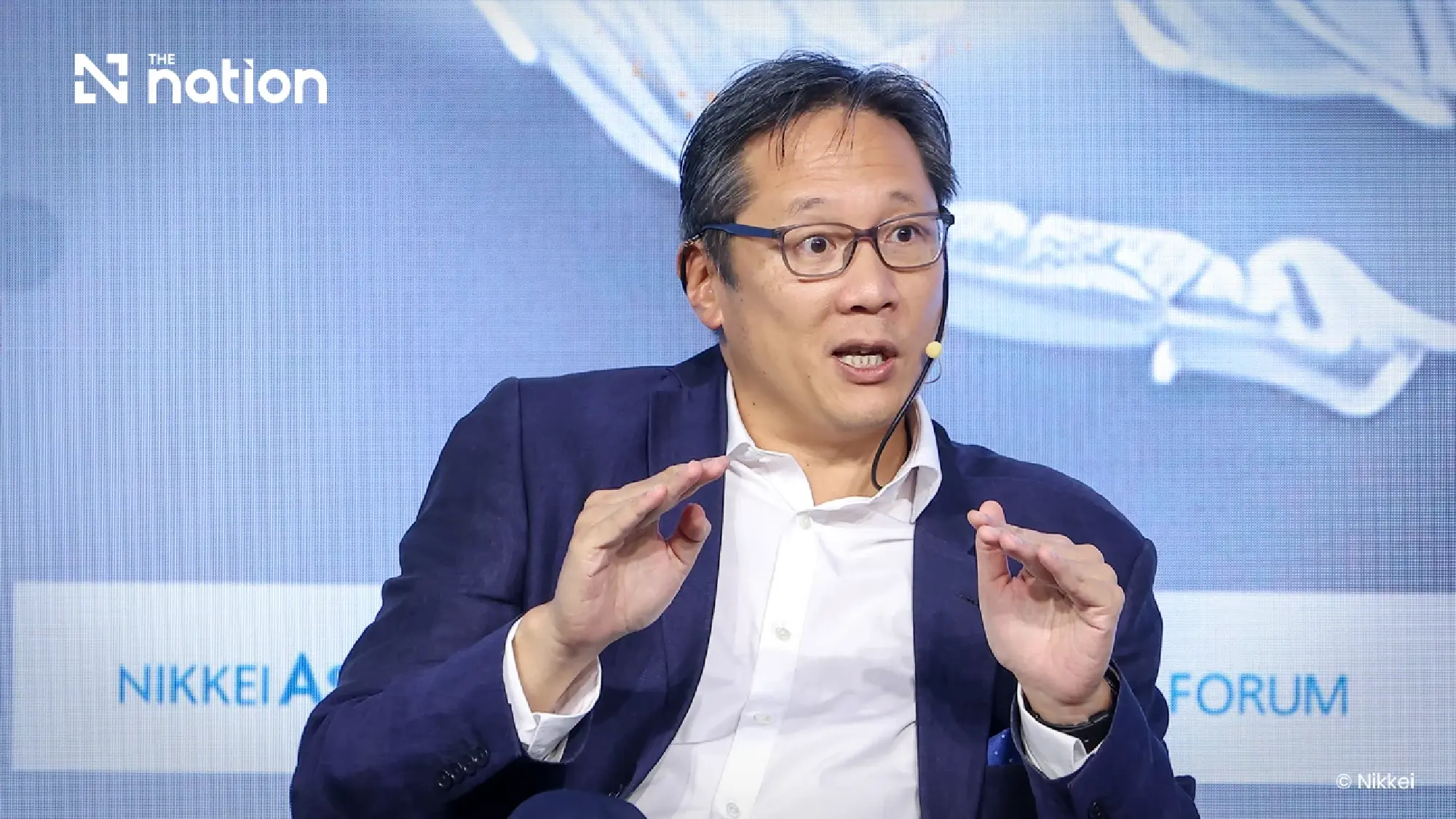
The most significant macroeconomic revelation came from Michael Syn, president of the SGX Group, who detailed a profound, quiet rebalancing within the world's largest investment indices.
"What we've seen in the past two years is that the largest index is called MSCI World... Almost 65 per cent of that is the US," Syn explained. "Starting two years ago, the distribution from this 19 trillion... continues to be reinvested, but not into the US. What people are saying is, 'I'm not selling from my US position. I'm just not putting more.'"
This diversificational "jet stream" of fresh capital has aggressively flooded alternative, developed markets. Over the past five years, the market values of both Japan and Singapore have more than doubled in US dollar terms.
Syn projected that if emerging regional giants like Thailand successfully unlock their economic potential and achieve developed market status by 2030, they stand to inherit an unprecedented tailwind of global capital.

Breaking the 'Old Economy' Trap
For the Stock Exchange of Thailand (SET), capturing this shifting capital requires an aggressive overhaul of its domestic listing profile. Asadej Kongsiri, president of the SET, candidly addressed the structural limitations that have historically held back Thai valuations.
"One of the challenges that the Stock Exchange of Thailand has right now is we're sometimes considered an 'old economy' choice," Asadej admitted, noting the market's heavy reliance on traditional banking, industrial, and tourism sectors rather than high-velocity technology firms.
To pivot toward a "new economy" framework, the SET is executing a novel strategy to capture global value chains. Rather than waiting for local tech unicorns to mature, the exchange is actively working with the Securities and Exchange Commission (SEC) and the Board of Investment (BOI) to create a specialised initial public offering (IPO) pipeline for the local subsidiaries of major multinational tech conglomerates.
Following a massive wave of applications for foreign direct investment (FDI) into Thailand's burgeoning printed circuit board (PCB) and semiconductor sectors, the SET aims to persuade these global entities to use local public equity to fund their regional expansions.

Unlocking Japan’s Unproductive Corporate Hoards
While Thailand seeks to import tech infrastructure, the Japan Exchange Group (JPX) is focusing inward, leveraging sweeping corporate governance reforms to unlock immense internal wealth.
Masanori Yoshida, senior executive officer and global chief of JPX, highlighted how Japan’s long-running fight against deflation has left its corporate sector uniquely positioned for an era of positive interest rates.
"There's this huge amount of cash sitting in vaults... those in the real economy, and they have to do something about it," Yoshida stated. "Because the situation is picking up and the interest rate now is positive... they have to put that to productive use."
Under JPX guidelines introduced over the last few years, listed Japanese companies are now required to publicly disclose clear capital efficiency strategies and actively engage with investor feedback.
This aggressive push for transparency is forcing companies to divest non-performing assets, sparking a wave of domestic corporate takeovers, consolidations, and market dynamics that are drawing global portfolio managers away from Western assets.
The Sovereign Wall to ASEAN Integration
Despite the shared ambition to build a dominant Asian capital footprint, the panel conceded that creating a fully integrated, pan-regional ASEAN stock exchange remains restricted by legal sovereignty.
While the regional manufacturing sector has successfully built highly integrated cross-border supply chains, the financial systems supporting them remain fiercely siloed by distinct legal traditions, capital controls, and administrative friction.
Asadej pointed to simple but profound accounting variances—such as Thailand requiring individual auditors to personally sign corporate financial statements, compared to Singapore’s institutional frameworks—as persistent hurdles to seamless cross-border listings.
Instead of chasing an elusive, singular regional market, bourses are turning to regulatory engineering and cross-border wrappers, such as Depository Receipts (DRs), to link distinct pools of wealth.
Ultimately, the survival of the public exchange model will depend on maintaining trust over access. As Yoshida warned, the explosive growth of opaque private equity markets threatens to concentrate the best financial returns among an elite few.
The primary mission of public exchanges today, the panel concluded, is to safeguard transparent, strictly governed infrastructure so that ordinary retail investors are not left entirely behind as the global economy transforms.
