
Thailand and Bali seen most exposed as airspace turmoil hits long-haul travel


Airlines are rerouting around Iran and other conflict-sensitive airspace, driving up fuel use, fares and travel times, with Thailand and Bali seen as particularly vulnerable while Malaysia eyes a possible upside.
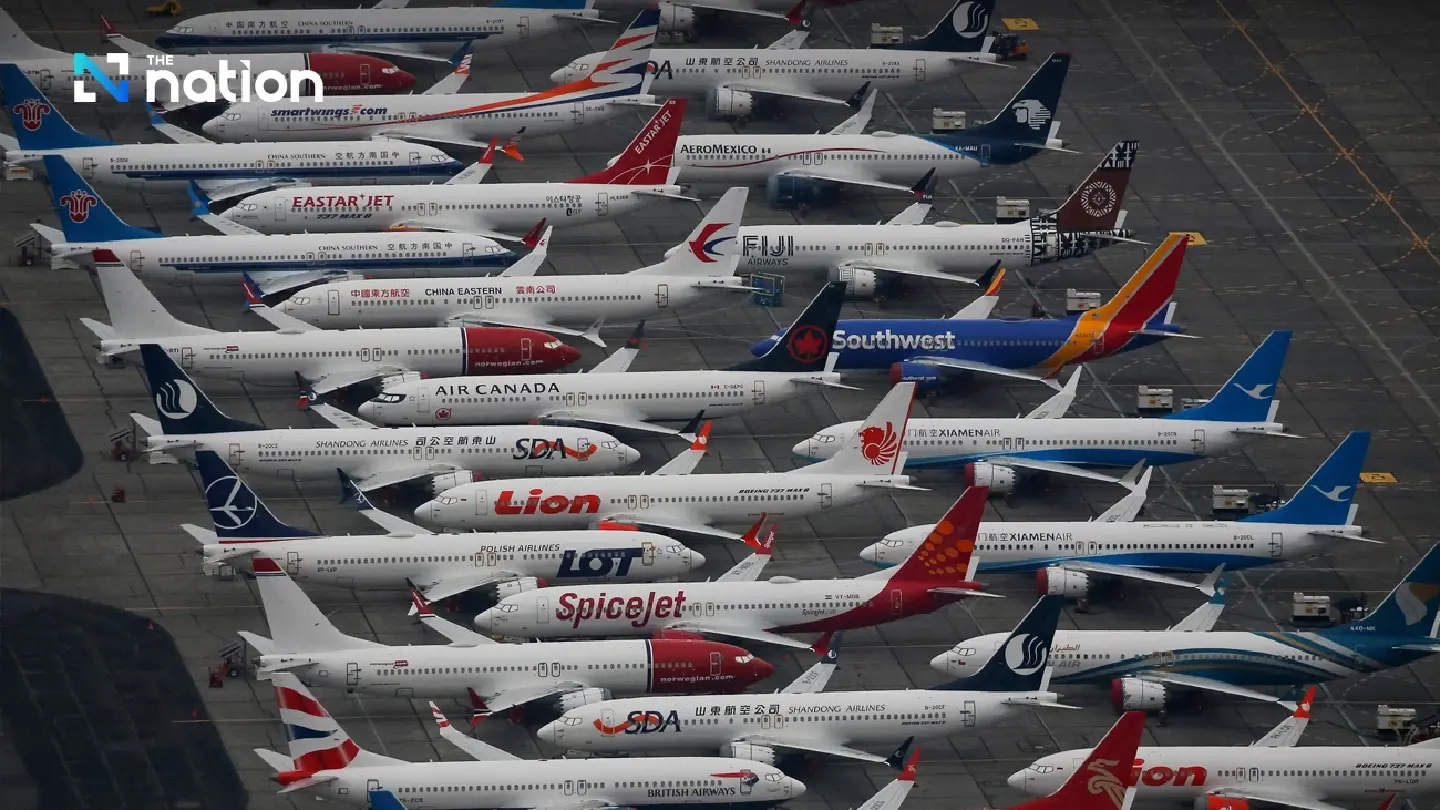
Airlines are being forced to avoid airspace around Iran and other conflict-sensitive areas, sending planes on longer routes that burn more fuel and raise operating costs. With much of the Middle East still under tight airspace restrictions, tens of thousands of flights have been cancelled or rerouted since the conflict erupted on February 28, disrupting key Asia-Europe corridors and spilling into Southeast Asia’s tourism sector.
Longer routes push costs and fares higher
The aviation disruption is already feeding through to passengers. Reuters reported that airlines in Asia and Europe have begun raising fares, adding fuel surcharges or adjusting schedules as jet fuel prices surge and detours lengthen flying times. That is increasing the risk of softer demand for discretionary long-haul travel in the months ahead, especially among price-sensitive travellers.
Thailand and Bali face the biggest tourism risk
Industry observers told CNA that Thailand and Indonesia, especially Bali, are among the Southeast Asian destinations most exposed if the disruption persists. Bali relies heavily on visitors from Europe and other long-haul markets, and the same broader risk applies to Thailand as longer travel times, fewer available seats and higher ticket prices threaten to weigh on demand, particularly during peak travel periods.
Malaysia may prove more resilient
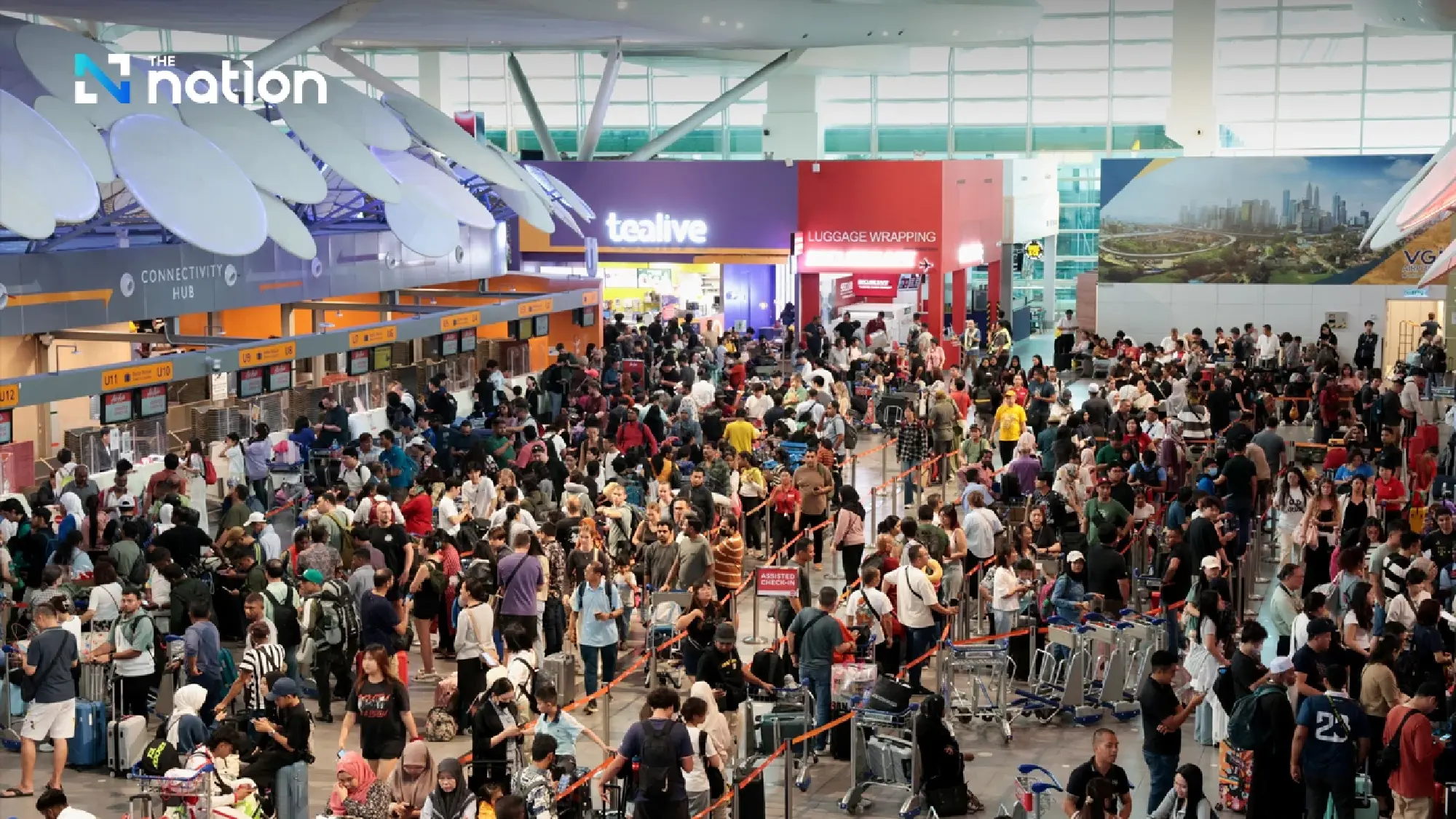
Malaysia is seen as less directly exposed because European visitors account for less than 15% of its total tourist arrivals, although they typically stay longer and spend more on accommodation, tours and shopping. CNA reported that at least 200 outbound flights, mostly to Middle Eastern destinations, had been cancelled from Kuala Lumpur International Airport since the war began. Even so, industry figures believe stronger demand from East Asia, India and within Southeast Asia could help offset weaker European traffic, while Visit Malaysia 2026 and ongoing tourism upgrades may support the country’s appeal.
Regional hubs see an opening
The disruption is also creating a strategic opportunity. Malaysia’s civil aviation chief, Norazman Mahmud, told CNA that airports in Thailand, Singapore, Hong Kong and Malaysia could position themselves as safer and more stable alternative stopover hubs for Europe-bound travellers if airlines continue to reassess Gulf transit points. Malaysia Airlines is already moving to add Europe capacity, and Malaysia Aviation Group said earlier this month that extra flights to London and Paris were being deployed to support travellers during the disruption.
For now, however, the near-term outlook remains costly. With seat capacity tighter and flight times longer, fares to Europe are expected to stay elevated, meaning Southeast Asia’s tourism industry may continue to face a mixed picture of disruption, diversion and opportunity while the conflict lasts.
