
Northern bus operator warns fuel crunch may force fare hikes, route cuts
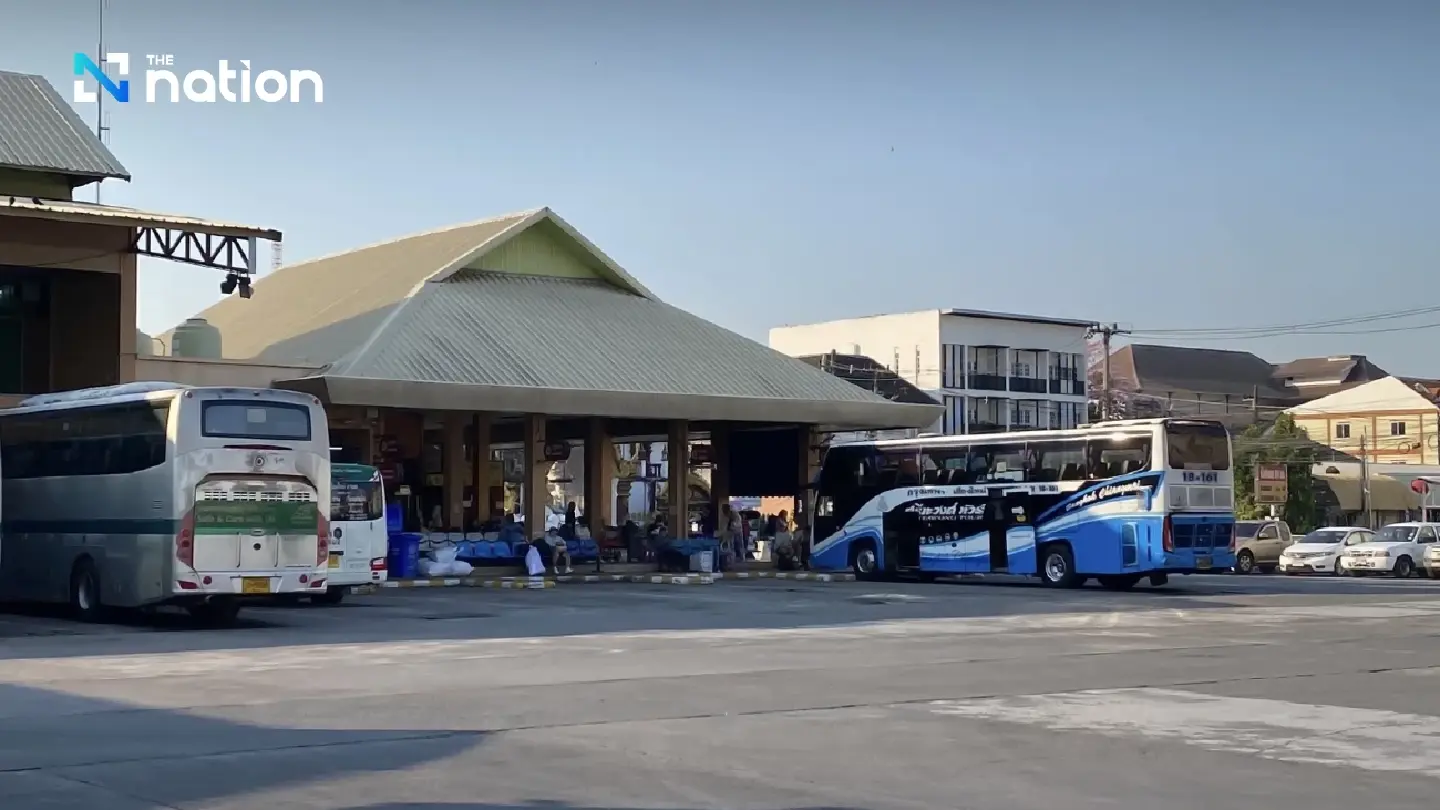


Greenbus says diesel shortages in Chiang Mai, driven by Middle East supply disruption, are pushing up costs and could lead to fare rises, route cuts and fewer services.
A worsening diesel shortage in Chiang Mai is piling pressure on Northern Thailand’s transport sector, with major interprovincial bus operator Greenbus warning that prolonged supply disruption could force fare increases, route restructuring and reduced services.
Reports in recent days show Chiang Mai has been among the provinces hardest hit, with many filling stations running dry after daily diesel allocations were cut sharply amid wider fuel disruption linked to the conflict in the Middle East.
Greenbus, which operates interprovincial routes across the North as well as cross-regional services to destinations including Bueng Kan and Phuket, said the crisis was severely affecting its operations. The company also runs freight services. According to Green Capital Group chief executive Kritsadipach Thongkhamkoon, the operator now has to refuel all buses at depots in Chiang Mai and Chiang Rai, as many roadside stations are unable to provide reliable supply.
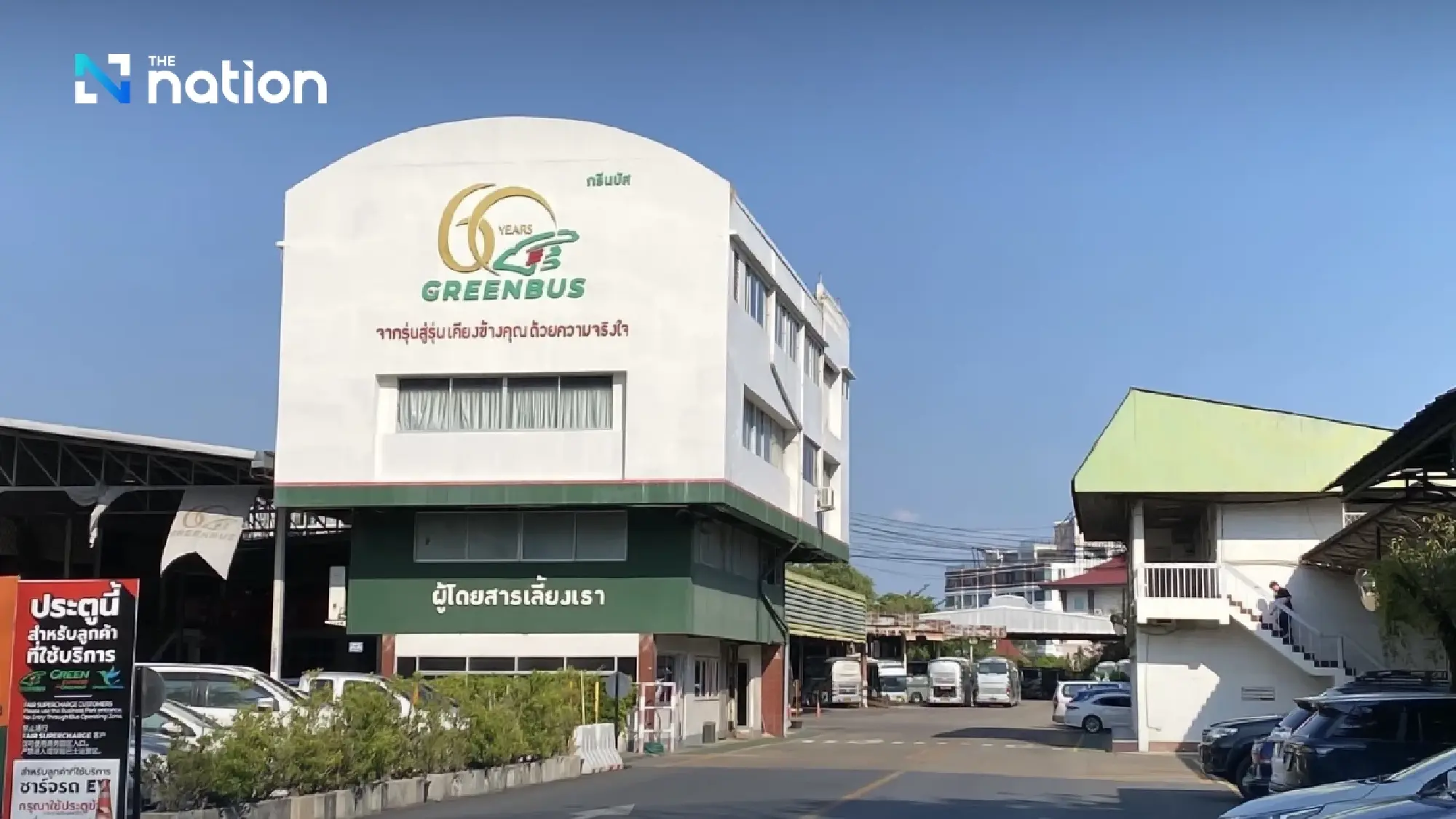
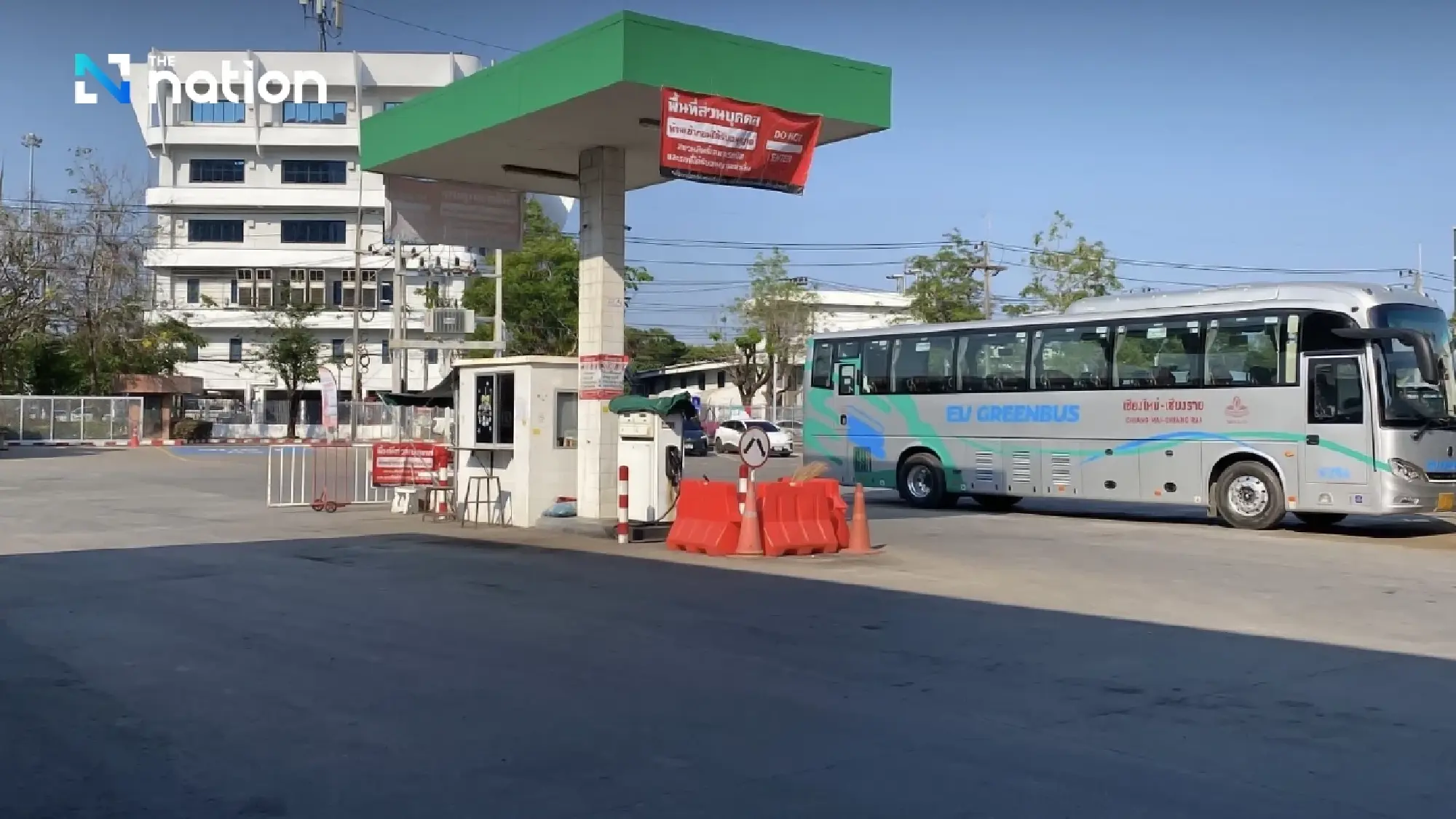
Although the company has introduced 12 electric buses, the bulk of its fleet still depends on diesel. Greenbus requires more than 20,000 litres of fuel a day, but supply constraints have left it struggling to secure enough diesel. On some days, the Chiang Mai depot can provide only around 15,000 litres, leaving a shortfall of about 5,000 litres that must be covered through more expensive purchases. A recent report on the company’s EV rollout said Greenbus had begun deploying 12 electric buses, though diesel vehicles still make up most of its wider network.
The shortage has already disrupted operations. Greenbus said some ultra-long routes, including Mae Sai–Bueng Kan and Mae Sai–Phuket, were suspended for two days, causing revenue losses of more than Bt400,000. The operator said fuel now accounts for roughly 33% of revenue, meaning that for every Bt100 earned from fares, about Bt33 is spent on diesel. It added that each Bt1 rise in diesel prices lifts the cost-to-revenue ratio by about 1.5 percentage points.
Management warned that if diesel rises to Bt34 per litre, routes with load factors of around 70% would immediately slip into the red. In response, the company is considering asking the Department of Land Transport for permission to raise fares if the crisis drags on. Other contingency options include cutting ultra-long services, shifting passengers to local short-haul operators on some corridors, and reducing service frequency to only three or four days a week on less viable routes.
The pressure on Greenbus reflects a broader strain across the region. Other transport operators in Chiang Mai, including the city’s iconic red songthaews, have also reported tightening margins as fuel shortages and higher prices squeeze earnings.
Thai authorities have meanwhile insisted the country is not running out of fuel overall. The government said this weekend that the Department of Energy Business was monitoring supplies daily and allowing round-the-clock truck deliveries in March to speed up distribution, adding that diesel and petrol sales were moving closer to pre-crisis levels. Even so, local shortages have persisted in several provinces, particularly in the North, as distribution bottlenecks and panic buying continue to distort supply on the ground.
The transport disruption comes as the Middle East conflict continues to rattle global energy markets. Asian economies, including Thailand, remain highly exposed to supply shocks and price volatility because of their dependence on imported fuel and the importance of Middle Eastern shipping routes. The pressure has already prompted energy-saving and emergency responses across parts of Asia, while Thailand has faced both price concerns and localised fuel shortages despite official assurances over national stock levels.
