
Thailand to showcase energy liberalisation and Andaman petroleum bids at Gastech 2026
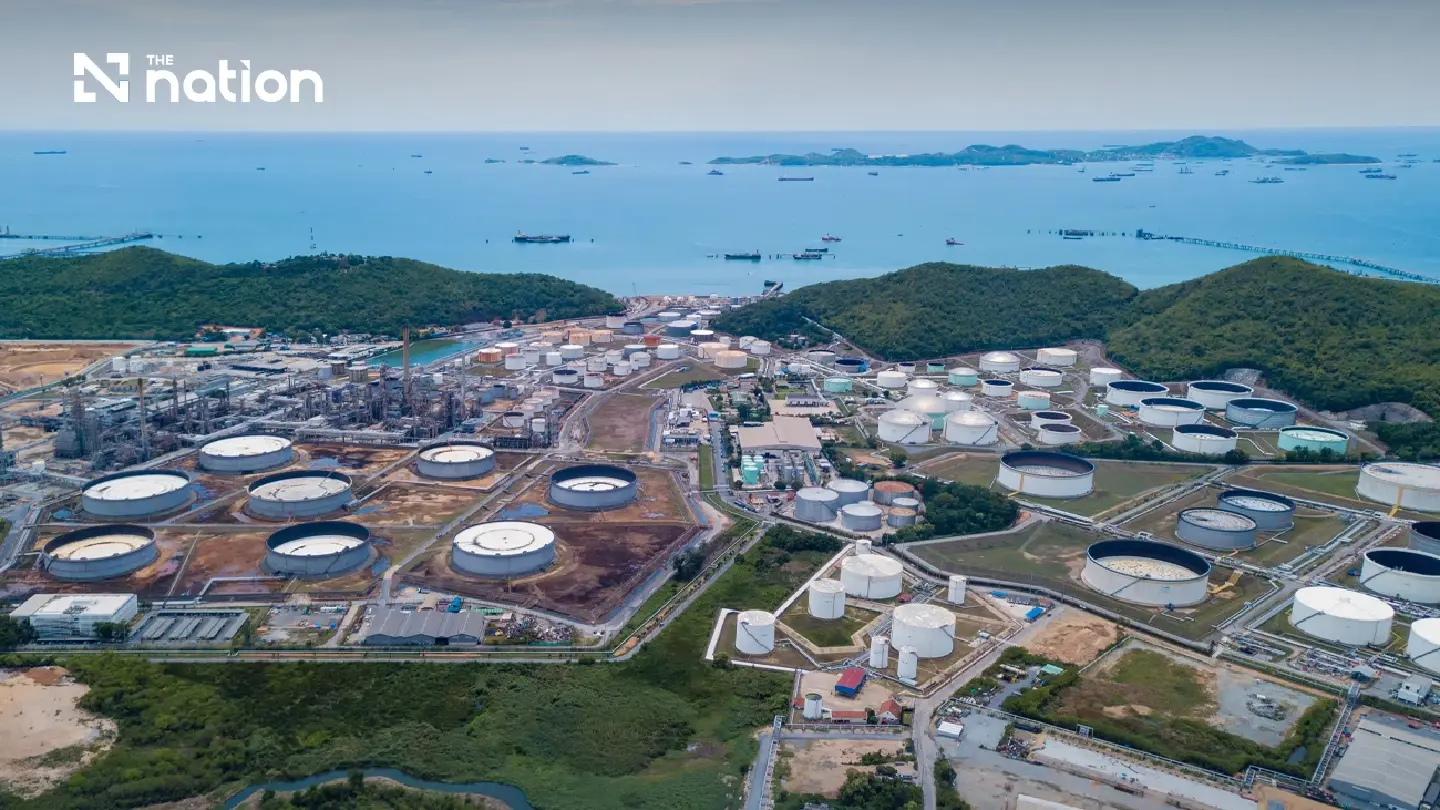


Thailand will host Gastech 2026, a major global energy event, marking the country’s return as host after 18 years.
- At Gastech 2026, Thailand will promote investment and open bidding for petroleum concessions in the Andaman Sea, highlighting the area's geological potential.
- The country will showcase its energy liberalisation policies, particularly Direct Power Purchase Agreements (Direct PPAs), to attract global investment in sectors like data centers and electric vehicles.
- Thailand will also present its advanced gas infrastructure and its ambition to become a regional LNG hub for ASEAN by leveraging its expanding LNG terminal capacity.
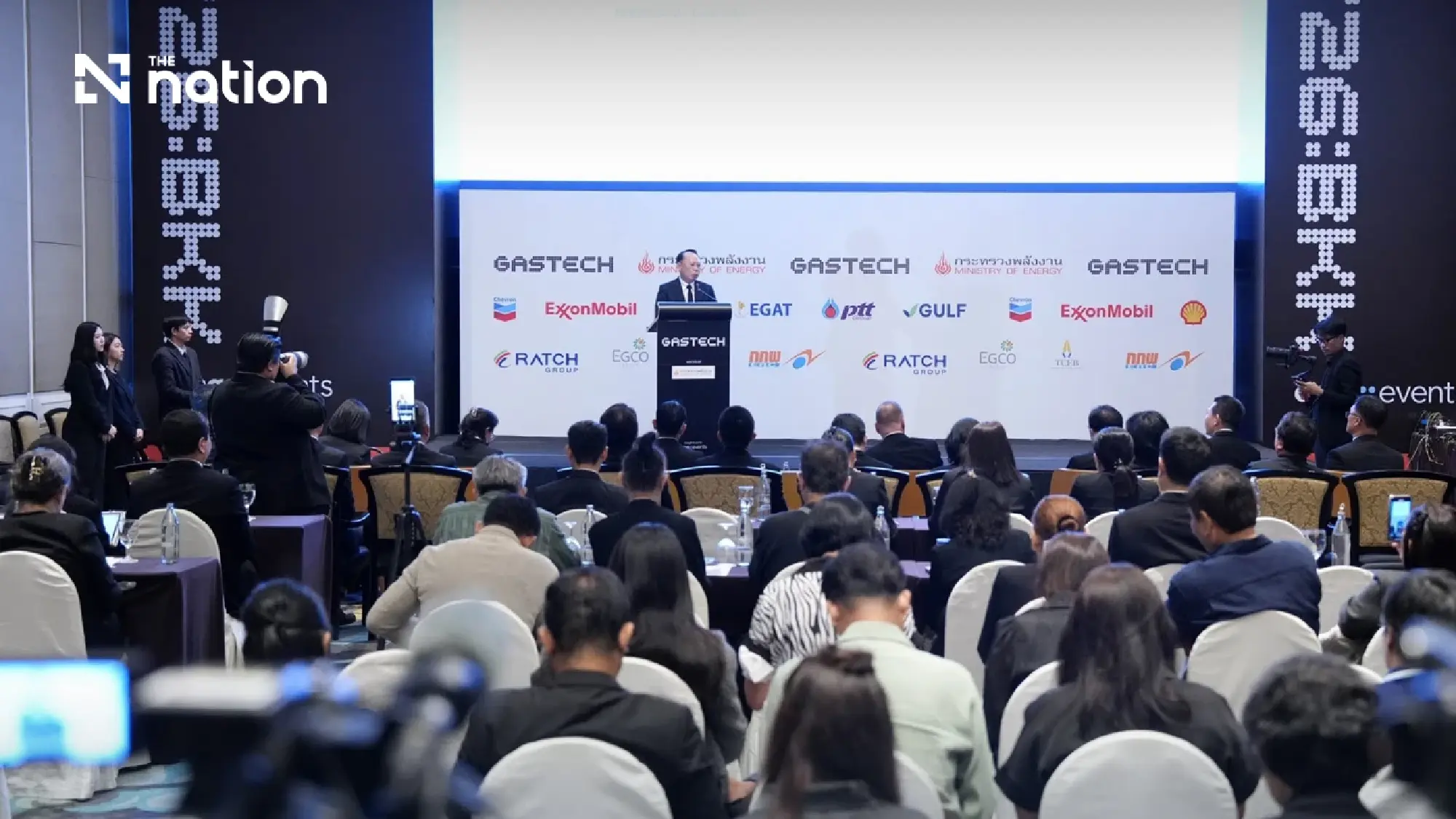
The event will be held from September 14-17, 2026 at the Bangkok International Trade and Exhibition Centre, or BITEC, and will feature exhibitions on natural gas, LNG, low-carbon technologies, electricity generation systems and AI.
Prasert Sinsukprasert, Permanent Secretary of the Ministry of Energy, said Gastech 2026 would bring together global energy leaders, including ministers, chief executives, regulators and policymakers from 150 countries.
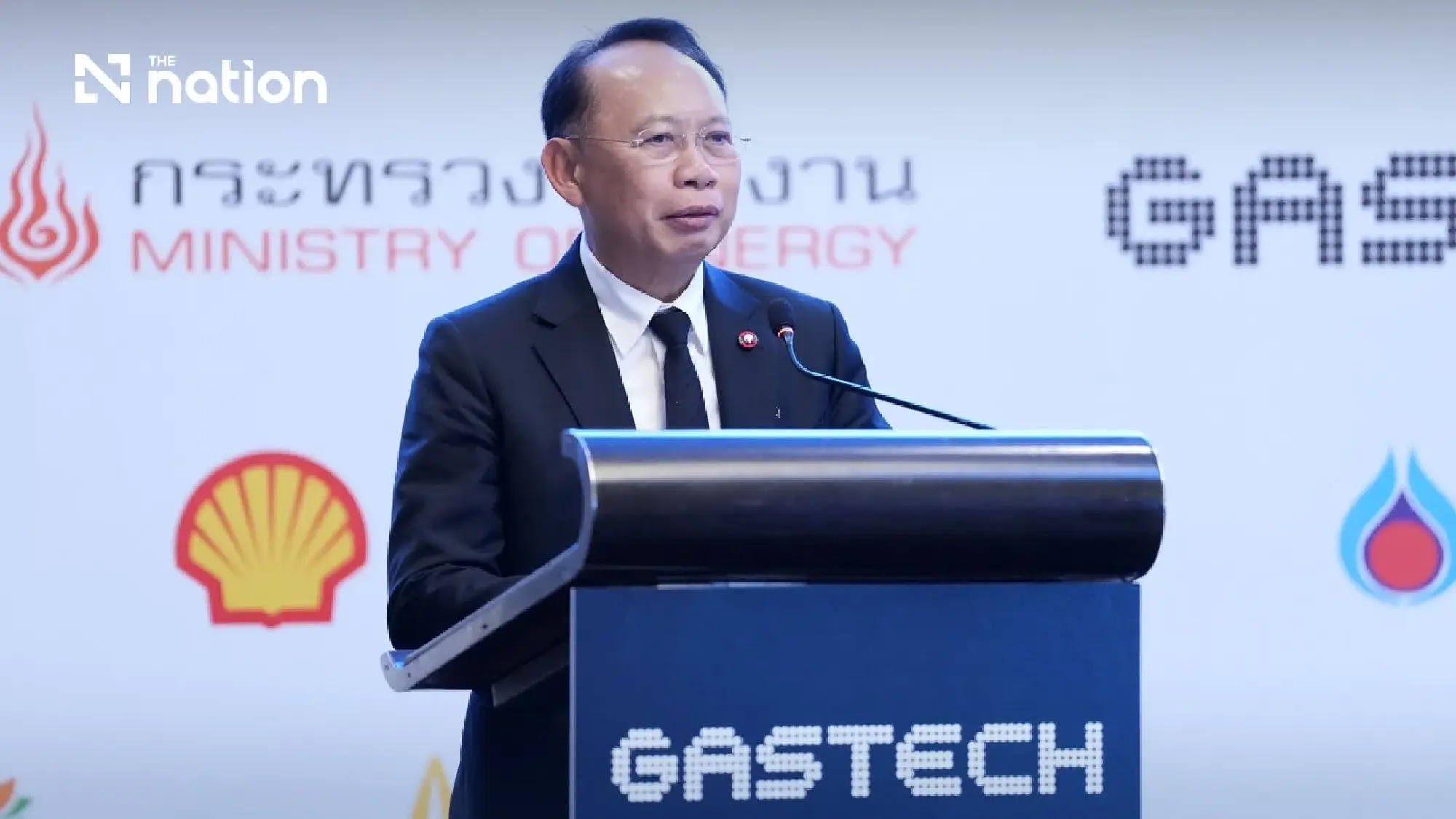
More than 50,000 participants are expected to attend, with over 1,000 exhibition booths and more than 1,000 expert speakers across several hundred conference sessions.
At Gastech 2026, Thailand will present advanced technologies related to natural gas, which remains the main fuel for electricity generation. The showcase will cover gas-fired power generation, transport systems and the use of AI in energy management.
The event will also focus on future clean-energy technologies such as hydrogen and carbon capture, utilisation and storage (CCUS), supporting carbon-neutrality goals among countries worldwide.
Thailand will present three key agendas on the global stage.
1. Andaman petroleum investment opportunities
Thailand will promote investment opportunities in petroleum concessions in the Andaman Sea, covering around 60,000 square kilometres.
The government is opening bidding for areas considered to have strong geological potential. Leading global energy companies, including France’s TotalEnergies, Italy’s Eni and Chevron, have continued to show interest.
A key selling point for high-level investors, including CEOs and C-suite executives, will be the potential of Thailand’s deepwater Andaman petroleum resources.
The ministry will cite major petroleum discoveries further south in Indonesian waters as part of its case. Thailand is preparing regulations and incentives to attract leading global companies to join concession bidding and development.
Prasert said the technology was not commercially viable 15 years ago, but advances in 3D and 4D seismic technology had strengthened confidence that the Andaman resources could become an important pillar of Thailand’s energy security.
2. Gas infrastructure and ASEAN LNG hub ambition
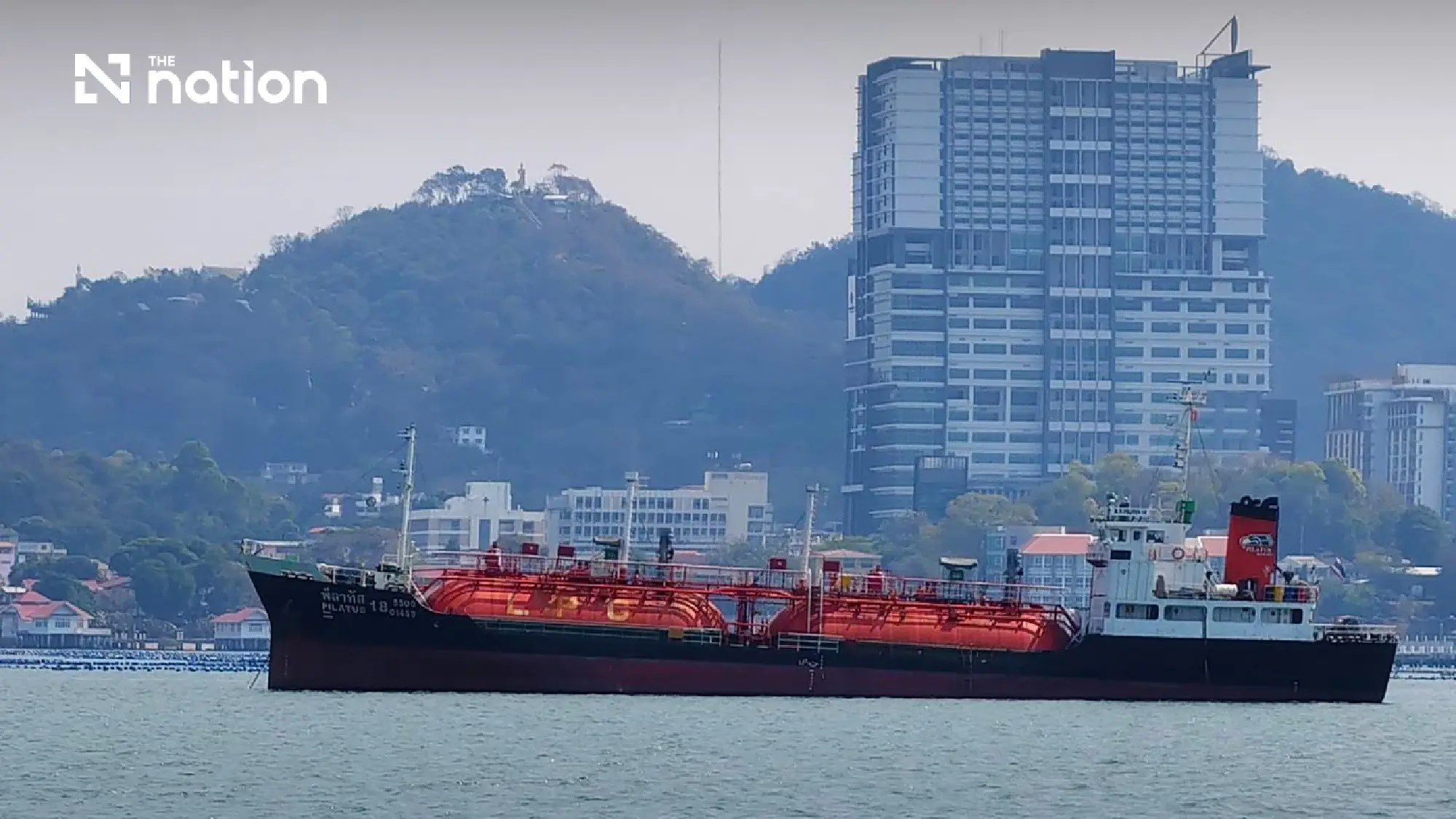
Thailand will also highlight its gas infrastructure development and readiness to become an ASEAN LNG hub.
The country currently has LNG receiving terminals at Map Ta Phut, or T1, and Nong Fab, or T2, along with the planned T3 project in the Eastern Economic Corridor. These facilities would give Thailand a total LNG receiving capacity of more than 20 million tonnes per year.
Thailand aims to build on this capacity by becoming a regional centre for LNG trading and re-export, using small vessels to supply neighbouring and regional markets such as Singapore, the Philippines, Vietnam, China and Japan.
Natural gas remains Thailand’s main fuel for electricity generation, accounting for a large share of power production. The government plans to accelerate infrastructure development to support higher LNG imports, including the expansion of LNG terminals.
The Land Bridge project is also linked to this strategy. If developed, it would increase the need for gas storage and regasification facilities in southern Thailand.
3. Energy liberalisation through Direct PPA
Thailand will also promote investment through electricity liberalisation, particularly Direct Power Purchase Agreements, or Direct PPA.
The policy is intended to attract global companies to invest in fast-growing sectors such as data centres and electric vehicles.
Prasert said the huge increase in electricity demand from these sectors would still require natural gas as a key fuel to maintain stability and energy security.
Thailand is moving towards a more liberalised energy market, with multiple shippers in the gas sector and a future open electricity trading market that would allow more industry players to participate.
Energy security is also making ASEAN more attractive to global investors. Electricity demand is expected to rise sharply with the arrival of hyperscale data centres and the growth of EVs.
In Thailand, applications for electricity use from data centres have already reached 20,000 megawatts. This is a massive figure when compared with Thailand’s 2026 peak electricity demand of around 35,000 megawatts.
PDP expected by September, with SMR included
On policy clarity, Prasert said he was confident that the draft Power Development Plan, or PDP 2026, would become clear and complete the public hearing process by September 2026.
The plan is expected to include new energy sources such as small modular nuclear reactors, or SMRs, and a higher share of clean energy as core elements of Thailand’s future power system.
Thailand is also preparing for global uncertainty amid geopolitical conflicts in the Middle East and Europe.
Prasert said the country must strengthen energy security through the concept of regional self-sufficiency, linking gas pipelines and electricity transmission systems across ASEAN through the ASEAN Power Grid.
ASEAN tipped as rising global energy player
The International Energy Agency has forecast that Southeast Asia will account for as much as 25% of global energy-demand growth by 2035, driven by rapid economic and industrial expansion in ASEAN.
This will increase demand for modern energy infrastructure, sufficient LNG supply, stable electricity generation and long-term energy investment.
The region’s growing energy demand is also aligned with the IEA’s finding that global electricity demand from data centres is expected to almost double by 2030.
In Thailand, the Board of Investment approved six major investment projects worth 958.17 billion baht in May 2026, most of which were data-centre and global data-processing projects. The BOI’s English release said the six projects were worth a combined 958 billion baht, led by data infrastructure investment.
Global energy leaders to showcase technology
Prasert said the Energy Ministry was working with the Thailand Convention and Exhibition Bureau (TCEB), with support from major energy companies including PTT Group, EGCO Group, Ratch Group, Banpu and multinational oil firms such as Chevron.
Prime Minister Anutin Charnvirakul is expected to preside over the event.
Prasert said recent geopolitical and global energy-market volatility had underscored the importance of diversifying energy sources, strengthening energy security and deepening regional cooperation.
In this context, Gastech 2026 will serve as a strategic platform for governments and energy companies to accelerate investment and push forward practical solutions for energy security.
The Energy Ministry said the event would strengthen Thailand’s image as a global energy hub and could generate hundreds of billions of baht in related industrial investment.
The ministry has also coordinated with all relevant agencies, including security authorities, police and the Bangkok Metropolitan Administration, to facilitate traffic and ensure safety for participants from around the world.
Bt10bn expected to circulate during event
Gastech 2026 is expected to generate around 10 billion baht in spending by participants, supporting the domestic economy through hotel bookings and related activities.
The event will also be an important stage for Thailand to present its clean-energy direction and energy-security strategy to the world.
Gastech 2026 will also feature “AixEnergy”, a dedicated conference and exhibition focused on AI, digital infrastructure and future energy systems.
The platform will bring together leaders from the AI and energy industries to discuss challenges and opportunities in driving the AI economy while ensuring long-term energy systems remain secure, accessible and resilient.
