
Stronger dollar pushes yen near 40-year low as oil prices remain volatile



The US dollar strengthened on expectations of a Federal Reserve rate hike, pushing the yen close to a 40-year low, while Middle East uncertainty continued to unsettle oil markets.
The US dollar strengthened globally on expectations that the Federal Reserve could raise interest rates, pushing the yen close to its weakest level in nearly 40 years, while uncertainty in the Middle East continued to pressure global markets and keep oil prices volatile.
Global financial markets moved cautiously on Friday as geopolitical concerns flared again after planned peace talks between the United States and Iran were called off. Investors moved further into the US dollar, while the yen weakened close to its lowest level in almost 40 years, raising expectations that Japanese authorities could soon intervene in the currency market.
US stock markets were closed for the Juneteenth holiday, leaving global trading volumes thinner than usual. However, movements in currency and commodity markets continued to draw close attention from investors around the world.
The MSCI All-World Index fell 0.15% after reports that US Vice President JD Vance had cancelled plans to travel to Switzerland to meet Iranian negotiators, underscoring uncertainty surrounding the Middle East peace process.
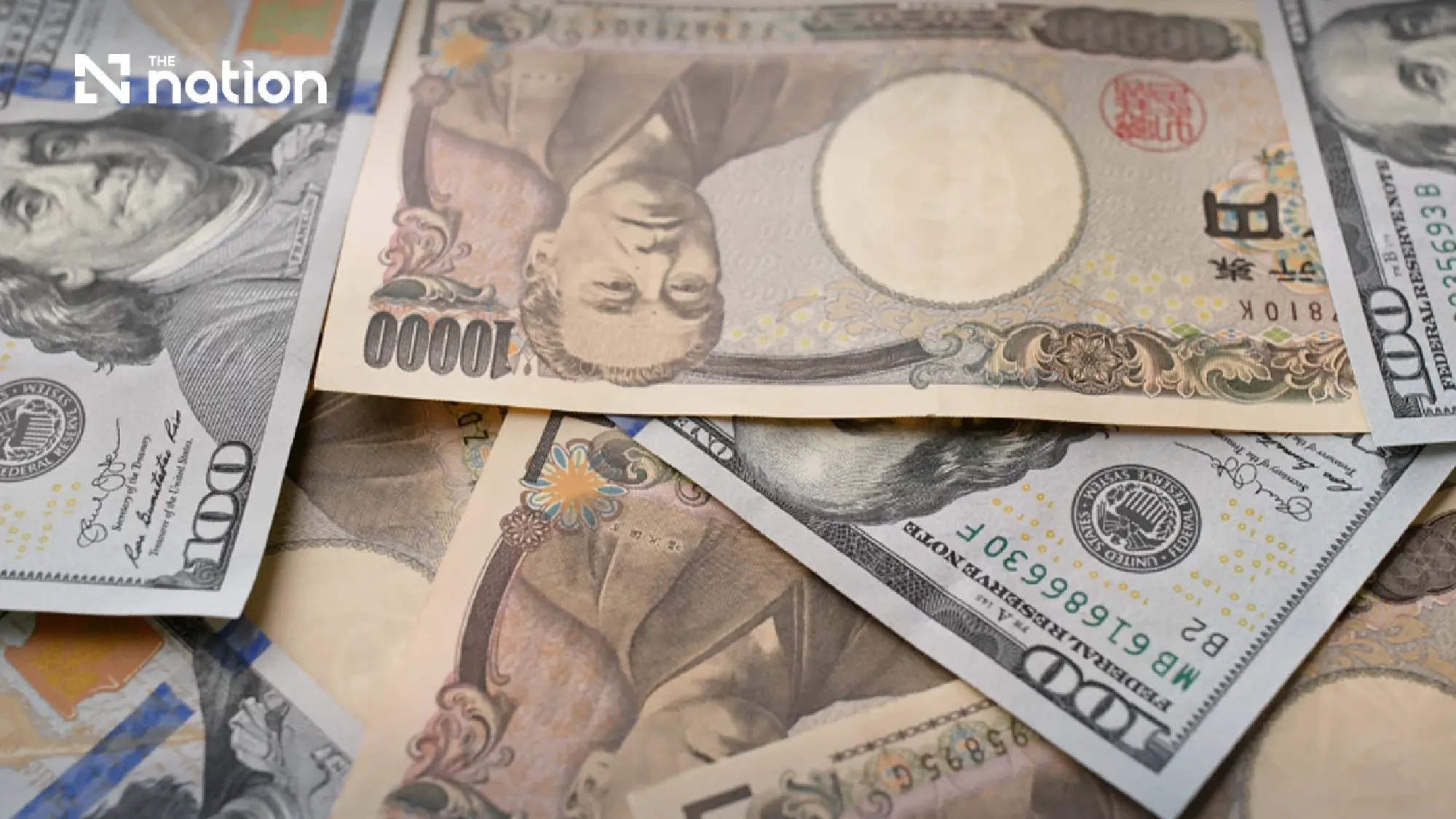
At the same time, the US Dollar Index traded near a 13-month high, supported by the hawkish monetary policy stance of Kevin Warsh, the new chair of the Federal Reserve, who has emphasised the need to control inflation and maintain price stability. Markets are now increasingly pricing in the possibility of at least one Fed rate hike this year.
In foreign exchange markets, the yen weakened to around 161.3 per dollar, close to its weakest level since late 1986, or almost 40 years ago. The currency has already moved beyond the 160 yen per dollar level, which many analysts see as a possible trigger point for Japanese authorities to intervene in the market to slow the yen’s decline.
Senior Japanese officials have repeatedly warned markets in recent weeks, stressing that currency intervention remains an option if exchange-rate movements become excessively volatile.
In energy markets, crude oil prices remained volatile, although they received short-term support from developments in the Middle East. Brent crude rose 66 cents, or 0.53%, to US$80.38 per barrel, while US West Texas Intermediate (WTI) increased 94 cents, or 1.23%, to US$77.54 per barrel.
However, oil prices were still on course to fall by about 8% from the previous week after Israel and Hezbollah reached a ceasefire agreement in Lebanon, helping reduce the risk of a wider regional escalation.
The reopening of shipping routes through the Strait of Hormuz, one of the world’s most important oil transit routes, after the United States lifted its blockade on Iran, also helped ease concerns over global energy supply. However, Iran continues to impose certain conditions on the use of the strait, leaving traders cautious about the outlook.
Source: Reuters
