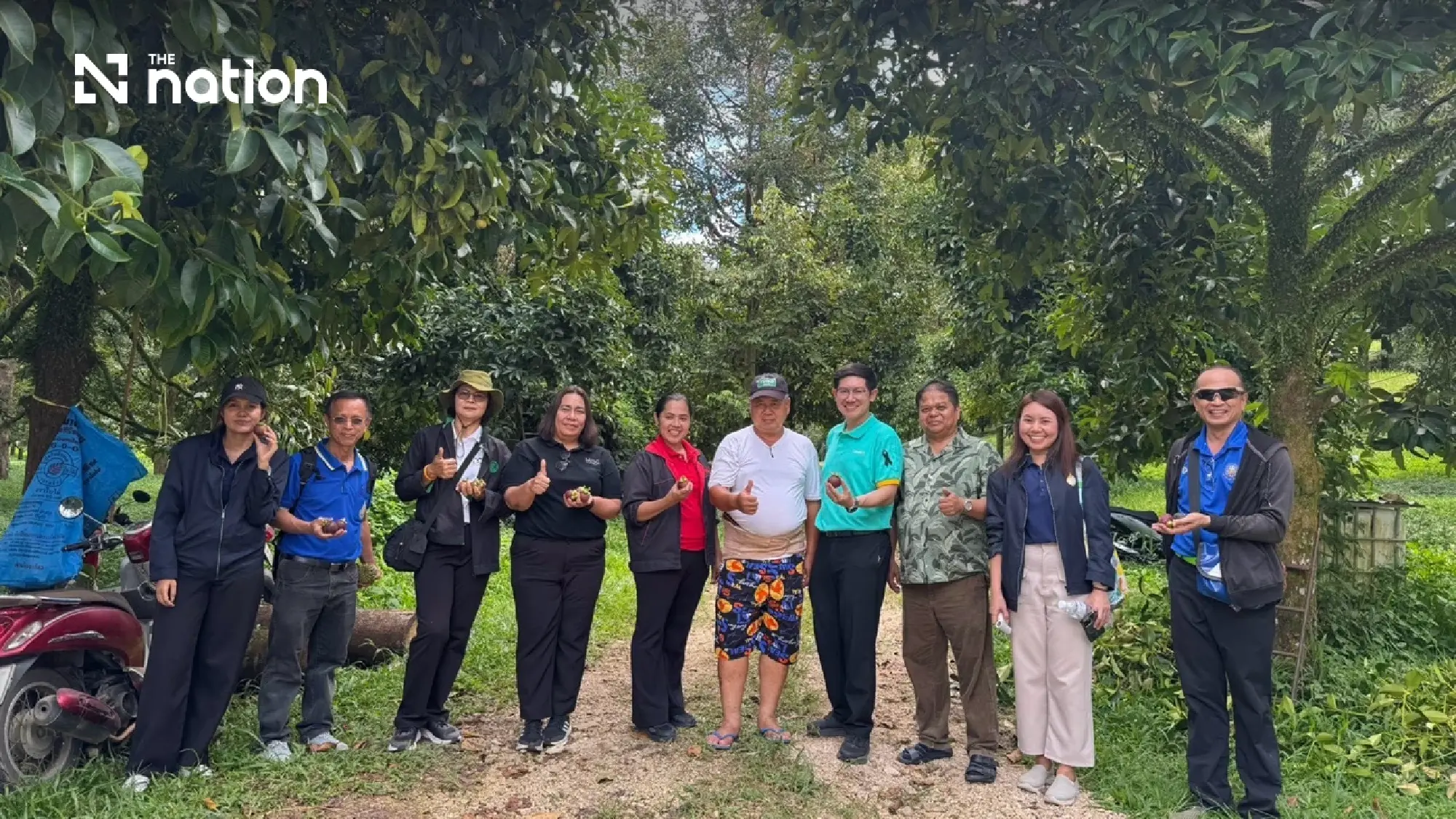
Betong oranges and mangosteens assessed under Thai GI standards
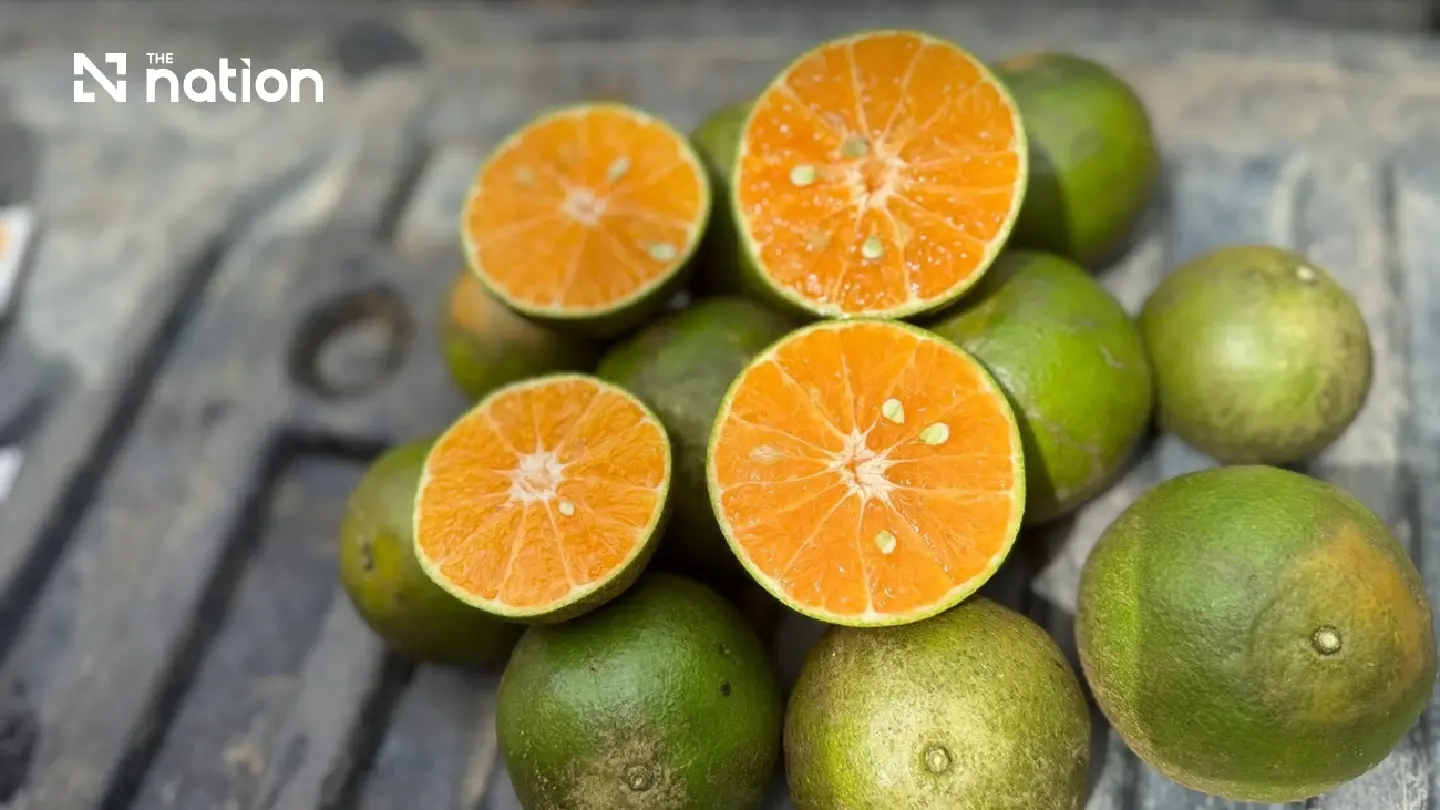


DIP is assessing GI quality controls for Betong Shogun oranges and Nai Sai Mok mangosteens as Makro and Lotus’s explore wider retail distribution.
- Thailand's Department of Intellectual Property assessed the quality-control systems for Betong Shogun oranges and Betong Nai Sai Mok mangosteen to ensure they meet Geographical Indication (GI) standards.
- The assessment aims to preserve the fruits' unique identity and consistent quality, thereby strengthening consumer confidence and expanding market opportunities.
- More than 40 farmers participated in the evaluation as part of their application to use the official Thai GI logo, which certifies a product's quality and geographical origin.
- Representatives from major retailers Makro and Lotus’s joined the assessment to evaluate the fruits' quality and readiness for potential sale in modern retail outlets.
The Department of Intellectual Property (DIP), under the Commerce Ministry, has carried out an on-site assessment of quality-control systems for two geographical indication (GI) fruits from Betong district in Yala, as part of efforts to maintain production standards, strengthen consumer confidence and broaden market opportunities.
The assessment covered Betong Shogun oranges and Betong Nai Sai Mok mangosteen. The DIP worked with Yala’s GI product quality inspection committee, including representatives from the Yala Provincial Commerce Office, Yala Provincial Agriculture Office and Betong District Agriculture Office, alongside project advisers from Prince of Songkla University’s Pattani campus.
The review focused on the internal control systems used to ensure the two products continue to meet the quality and production specifications under which they are registered as GIs.
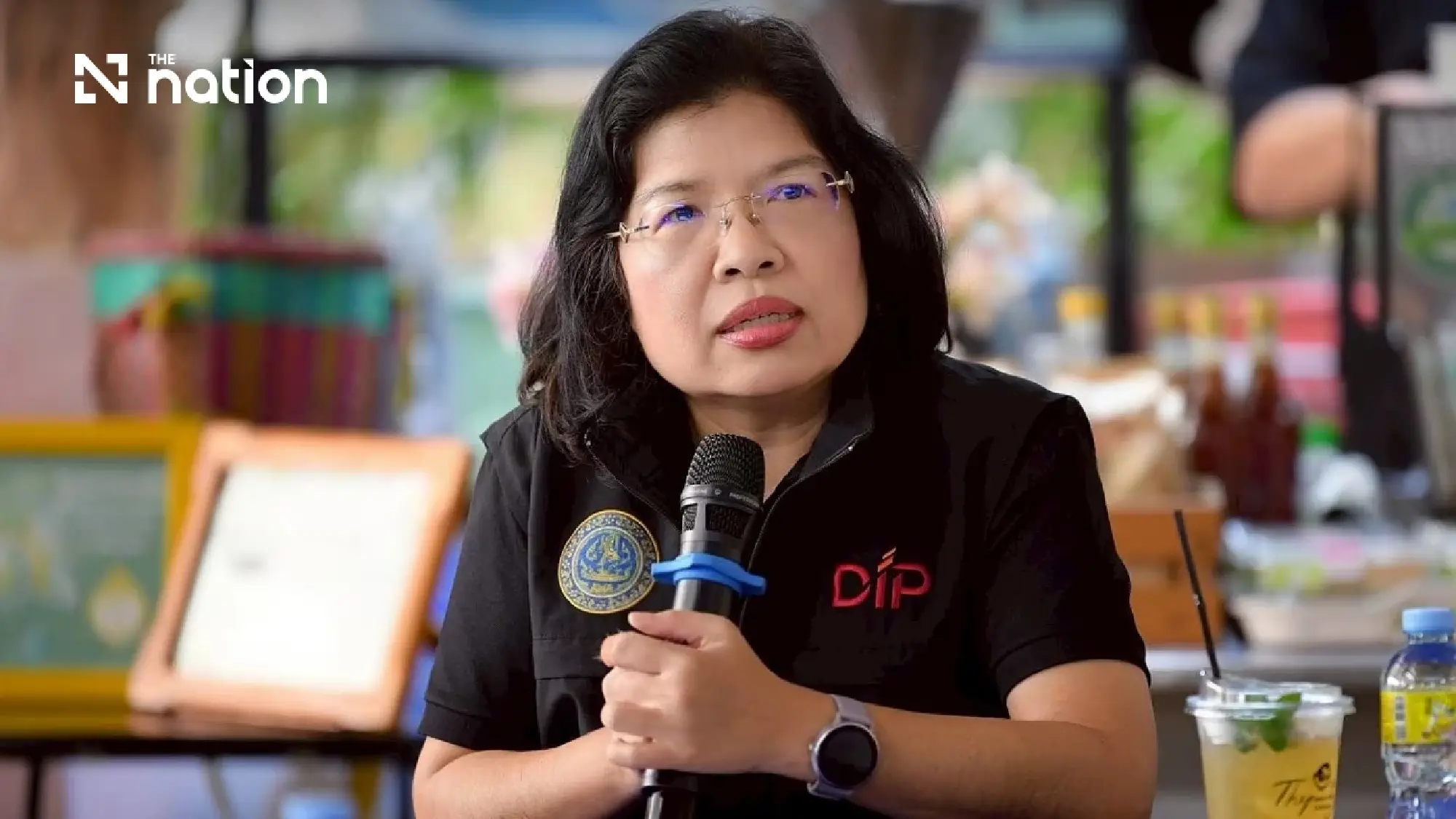
Quality controls underpin GI standards
Auramon Supthaweethum, director-general of the DIP, explained that a strong quality-control system is central to GI production because it helps preserve each product’s distinctive identity and ensures that its quality remains consistent with its registered specifications.
Such controls also strengthen confidence among consumers in Thailand and overseas while improving competitiveness and adding value to agricultural and community products, she noted.
The work is in line with a policy priority of Deputy Prime Minister and Commerce Minister Suphajee Suthumpun to move GI agricultural products into higher-value markets and support more stable income for farmers and communities.
More than 40 farmers seek approval to use Thai GI logo
During the field visit, inspectors toured orchards and exchanged information with growers on production conditions, cultivation methods, output volumes and sales channels. More than 40 farmers producing the two GI fruits took part in the quality-control assessment as part of their applications to use the Thai GI logo.
Farmers who meet the required criteria will be authorised to display the Thai GI logo on their produce or packaging for two years. Once the approval expires, they may undergo another assessment and apply to use the mark for a new period.
The Thai GI logo certifies both the quality and geographical origin of a product, helping to increase its value and strengthen its long-term market opportunities.
Makro and Lotus’s assess retail potential
Representatives from Makro and Lotus’s, under CP Axtra Plc, also joined the field visit to examine the production areas and assess the fruits’ quality, output volumes and readiness for delivery to modern retail outlets.
They also discussed potential procurement with farmers and relevant agencies.
Strong quality controls and the ability to trace products back to their source were identified as important factors in strengthening consumer confidence and helping GI products meet the requirements of the modern retail market.
The DIP has previously worked with CP Axtra to promote GI products sourced directly from farmers and expand their distribution through Makro and Lotus’s outlets nationwide. The cooperation is intended to create additional market opportunities and income for farmers while giving consumers wider access to quality GI products with verifiable origins.
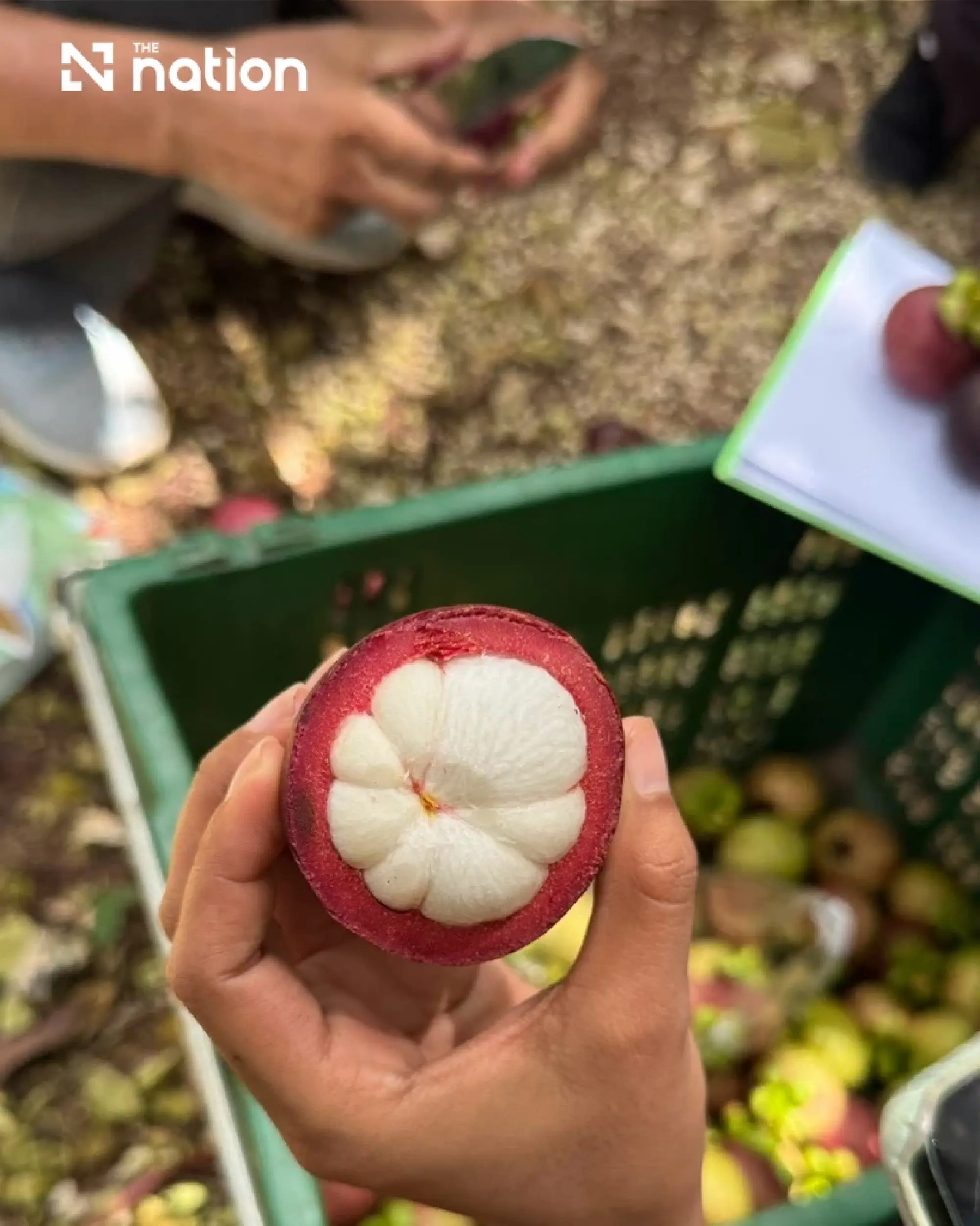
Distinctive qualities of Betong GI fruits
Auramon also highlighted the distinctive characteristics of the two Betong fruits, noting that maintaining strong quality controls is important to protecting both their reputation and identity.
Betong Shogun orange is a large, flattened-round mandarin orange with deep-orange, soft flesh and an aromatic scent. It is easy to peel and has a predominantly sweet taste with slight acidity.
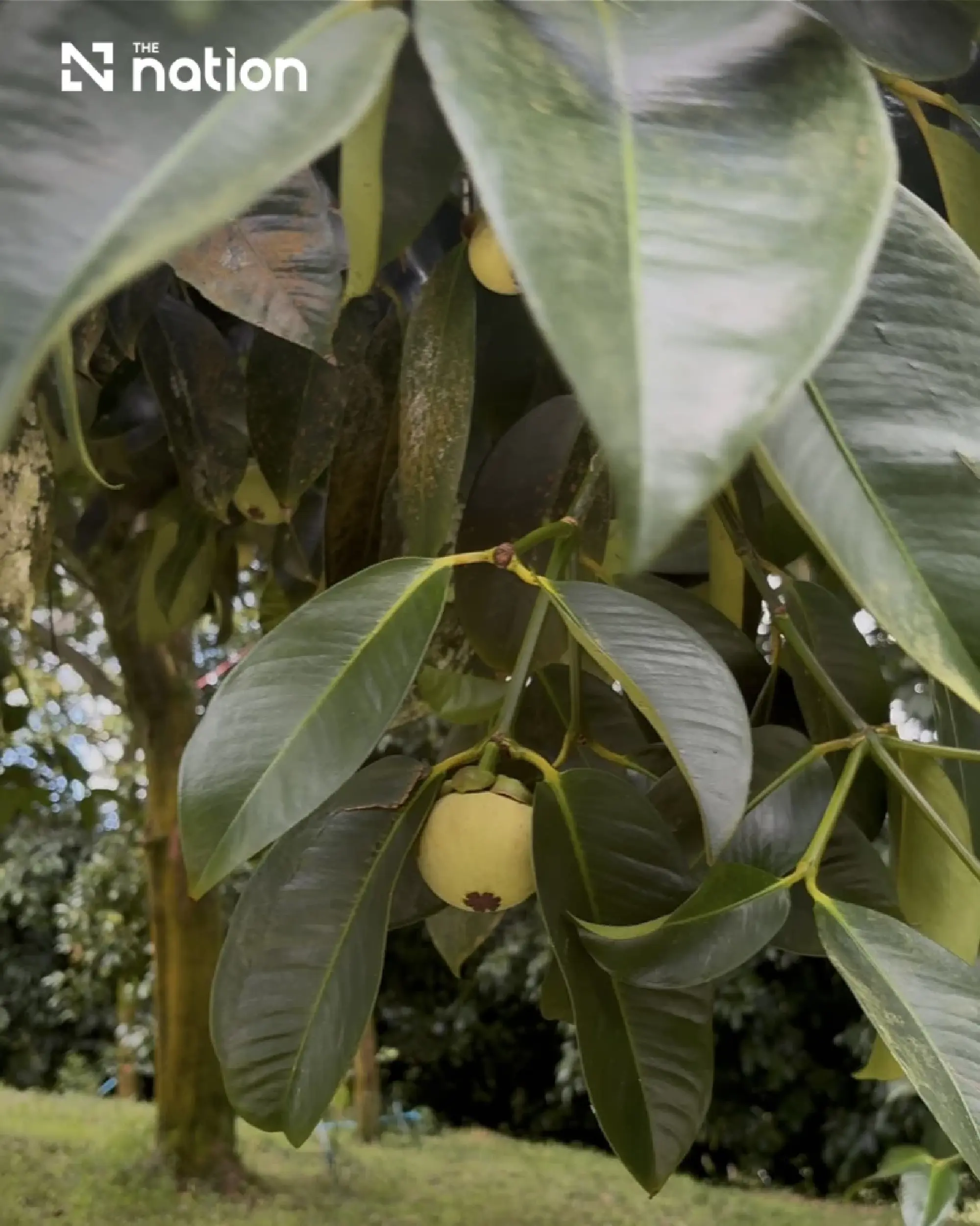
Betong Nai Sai Mok mangosteen is a local mangosteen variety grown at elevations of at least 200 metres above mean sea level. It has a large, round shape, a relatively thick and glossy rind, and creamy-white, cottony flesh. The fruit does not develop translucent flesh or latex seepage and has a predominantly sweet taste with some acidity.
These characteristics are attributed to Betong’s particular terrain and climate.
The DIP plans to continue strengthening quality-control systems for GI products alongside efforts to expand market opportunities through partnerships with relevant organisations. The aim is to reinforce recognition of Thai GI products for their quality, improve their competitiveness and support sustainable income for farmers and local communities.