
Why is Thailand’s hotel business still hot despite lower overall investment?



Luxury hotels are expanding in Bangkok despite hotel transaction value falling to 60-70 billion baht, with five tourism cities still attracting investors
Thailand’s hotel investment market is no longer seeing the same transaction value as during its peak years, but investor appetite remains strong as the sector enters a new growth cycle after the Covid-19 crisis.
Colliers Thailand expects hotel transaction value in 2026 to stand at around 60-70 billion baht, down from a previous high of more than 100 billion baht a year. However, the softer overall value has not stopped investors from looking for quality assets in major tourism destinations.
Kanyapuk Wetkullapat, associate director of real estate development advisory at Colliers Thailand, said Bangkok hotels continued to recover in the first quarter of 2026.
Average occupancy in the capital reached 75.2%, up from the previous year, while the average daily room rate rose from 4,438 baht to 4,576 baht.
Although foreign tourist arrivals have slowed slightly, hotel revenue per room has continued to improve. This suggests that visitors to Thailand are spending more, particularly Chinese travellers, who still account for around 18-22% of all room nights in Bangkok.
Their behaviour, however, has shifted. Large tour groups are giving way to independent travellers and high-spending luxury visitors, meaning hotels are now competing less on guest volume and more on customer quality.
Colliers expects more than 5,000 new hotel rooms to enter the Bangkok market between 2026 and 2028, with most new supply coming from luxury hotel brands.
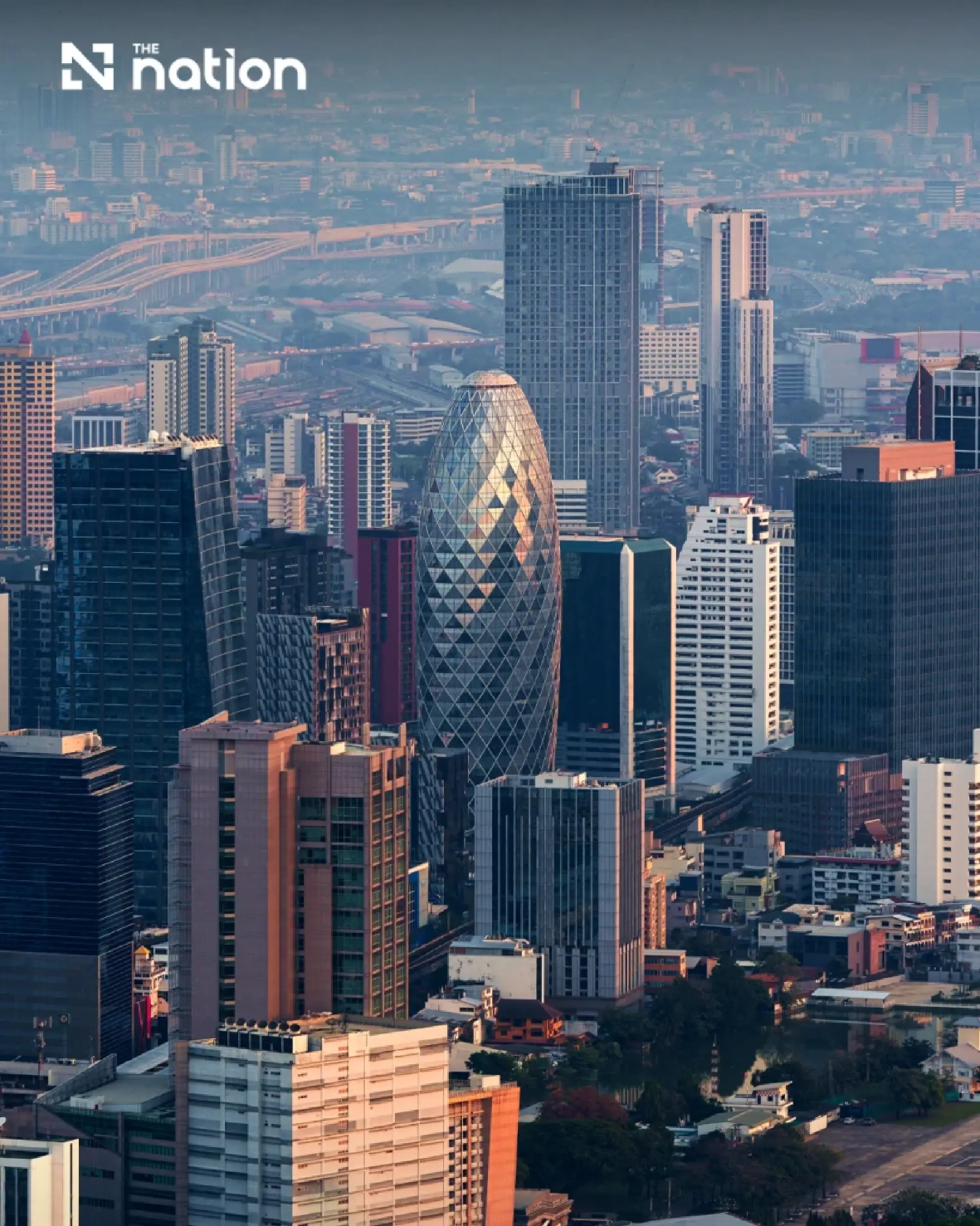
The three locations drawing the most attention are:
- Phloen Chit-Lang Suan-Wireless Road: a high-end business district combining offices, luxury hotels and premium lifestyle developments.
- Charoen Krung-Yan Nawa: a riverside area along the Chao Phraya River that is being reshaped from a traditional district into a new landmark for mixed-use and luxury tourism projects.
- Ratchadaphisek-Rama IX and mass-transit corridors: a new central business district with room for growth in business, residential development and transport connectivity.
Despite the positive outlook for operations, Colliers said the hotel transaction market is less heated than it was three or four years ago.
The slowdown reflects global economic uncertainty, high financing costs and geopolitical risks, all of which have made investors more cautious and lengthened decision-making on deals.
However, hotel asset prices have continued to rise even as total transaction value has declined. Colliers attributed this to a faster-than-expected recovery in hotel revenue, which has reduced pressure on asset owners to sell at discounted prices as they did after the pandemic.
Hotel deals remain concentrated in five major destinations:
- Bangkok
- Phuket
- Pattaya
- Krabi
- Chiang Mai
The most sought-after deals are valued at around 500 million to 1 billion baht, a range investors see as capable of generating attractive returns while keeping risk manageable.
Phuket and Pattaya remain standout markets, supported by the recovery of international tourism and steadily improving occupancy rates.
For investors, the key issue is no longer simply the number of deals available, but the confidence that Thailand’s hotel sector is still on an upward path. Quality assets in strong locations are still seen as having room to appreciate further.
