
Pluak Daeng becomes ‘Little Guangzhou’ as Rayong weighs tighter controls
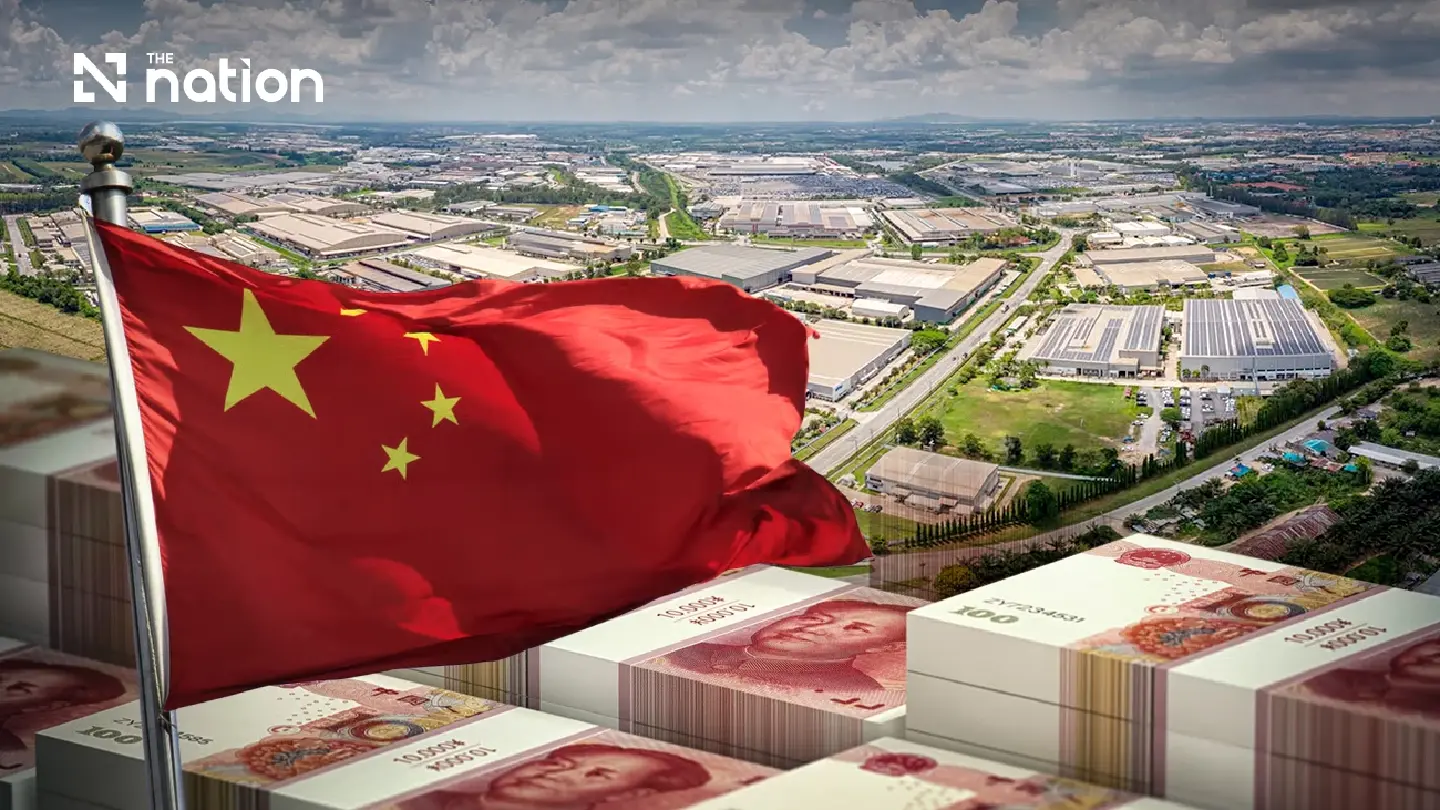


Chinese investment is transforming Pluak Daeng in Rayong, lifting land prices while raising concerns over zoning, utilities and local businesses.
- Pluak Daeng district in Rayong has been nicknamed "Little Guangzhou" due to a surge in Chinese investment that has rapidly expanded its industrial base and driven up land prices.
- This rapid growth has raised concerns over the strain on public utilities, environmental effects, and a lack of oversight for developments occurring outside of designated industrial zones.
- Issues also include Chinese-backed factories favoring automation over local workers and the expansion of Chinese-owned service and retail businesses that compete with local enterprises.
- In response, Rayong is considering tighter controls, including a new comprehensive town plan, specific regulations for high-resource data centers, and a provincial committee to screen major investment projects.
Pluak Daeng district in Rayong has emerged as one of the fastest-growing industrial centres in Thailand’s Eastern Economic Corridor, with a surge in Chinese investment transforming the area into what has been dubbed “Little Guangzhou”.
The district has expanded rapidly alongside neighbouring Si Racha in Chonburi, sometimes referred to as “Little Osaka”, as their adjoining industrial areas attract foreign manufacturers and generate demand for housing, retail and other services.
Chinese investors have played a particularly prominent role in Pluak Daeng’s transformation, establishing production bases and supporting businesses across the district.
The expansion has helped drive economic activity and sharply increased land prices. Roadside plots are now valued at no less than 40 million baht per rai, equivalent to about 250 million baht per hectare, with prices in some locations rising even higher.
However, the growth has also raised concerns over local employment, land-use controls, environmental effects and pressure on public utilities.
Some Chinese-backed factories are reported to rely heavily on robots and other automated systems rather than hiring Thai workers. Chinese investment has also expanded beyond manufacturing into restaurants, retail businesses and residential accommodation primarily serving Chinese customers.
Another concern is the acquisition of land outside industrial estates and areas formally zoned for industrial use. Such developments are more difficult for the authorities to supervise and could create environmental problems.
Data centres are drawing particular attention because of the large quantities of electricity and water required for their operations.
New town plan to separate communities and industry
The Department of Public Works and Town & Country Planning is accelerating work on a comprehensive town plan for the Pluak Daeng community to manage industrial expansion spreading from Si Racha.
The plan is being developed within the broader Eastern Economic Corridor planning framework and remains at an early drafting stage.
It will prioritise the allocation of land for both residential and industrial development. Main community areas are expected to be designated separately from industrial zones so that urban and industrial expansion can proceed in a more orderly manner.
Although the draft will seek to remain consistent with the EEC town plan, it is expected to introduce more detailed and potentially stricter land-use conditions to reflect Pluak Daeng’s circumstances and future population growth.
Areas classified as purple industrial zones are expected to retain their existing boundaries under the EEC plan.
Land outside those areas could be assigned other classifications, including red, orange and orange-dotted zones covering urban, community, factory and community-service uses. The precise conditions will depend on the completed draft and subsequent official announcements.
Pluak Daeng has continued to expand because of industrial activity and economic development throughout the EEC. Its connections with Si Racha, another major eastern industrial base, have further increased demand for land serving businesses, housing and community services.
The comprehensive town plan is therefore expected to play an important role in determining how the district develops in the years ahead.
Investment outside industrial estates creates oversight gaps
Boonyuen Laohawitthayarat, secretary-general of the Rayong Chamber of Commerce, told Thansettakij that the province was facing regulatory challenges arising from Chinese investment, particularly projects established outside industrial estates and designated industrial areas.
He called for a review of the roles played by the Board of Investment and the Eastern Economic Corridor Office in approving and supervising such investments.
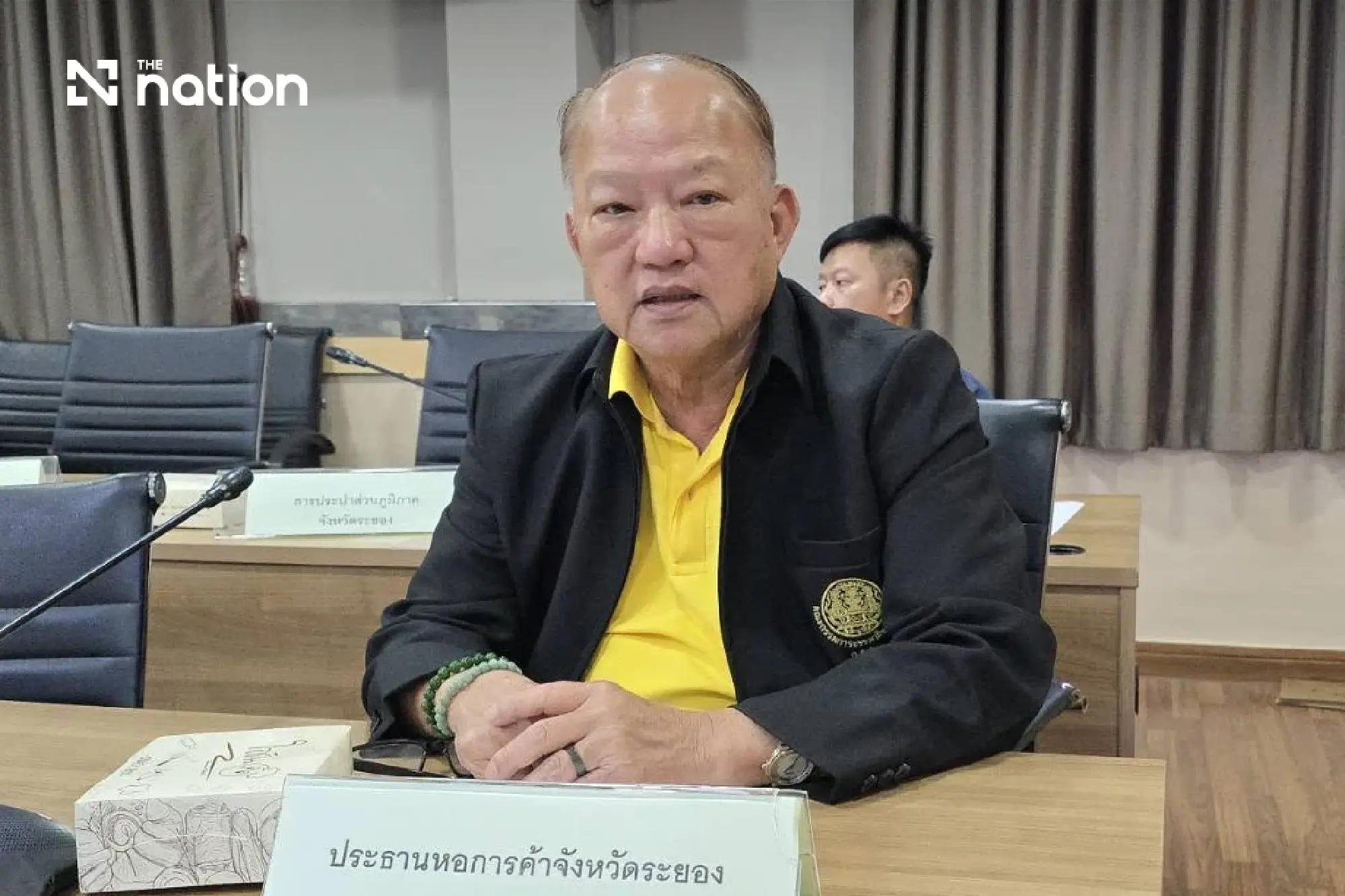
Some categories of business can currently operate outside industrial estates even when the land is not located in a purple industrial zone, he said.
This has raised questions over what mechanisms should be used to regulate those projects and assess their wider effects on surrounding communities.
Boonyuen said the principal problem was not necessarily investment within established industrial estates, where management systems were already in place, but the purchase and accumulation of land outside designated industrial zones.
Some investors had acquired such land and developed businesses on it under existing legal provisions, exposing gaps in the regulatory system.
Pluak Daeng itself could avoid the most serious problems if land-use controls were enforced effectively, he said. Greater attention was needed in areas outside industrial estates and locations where land use was changing rapidly.
The Industrial Estate Authority of Thailand must also ensure that estates are managed effectively and that businesses do not fall outside the established system of supervision, he added.
Call to regulate data centres as a new factory category
More than 10 data-centre investors have entered Rayong, according to Boonyuen, but the sector is not yet covered by a sufficiently clear regulatory framework.
The Factory Act and ministerial regulations issued by the Department of Industrial Works currently identify 107 categories of regulated industrial activity.
Boonyuen proposed adding data centres as a 108th category, giving them a clear legal status and placing them under the supervision of a designated authority.
The Department of Industrial Works should also issue specific requirements covering data-centre operations, he said.
“Data centres require large volumes of water and electricity,” Boonyuen said. “If the local utility system is not ready, a large influx of investment could create long-term problems for the province.”
The concern reflects the rapid growth of an industry that can bring substantial investment but may also compete with factories, households and other businesses for limited local resources.
Chinese investment expands into services and retail
Chinese investment in Rayong is no longer confined to industrial manufacturing.
It has expanded into restaurants, accommodation, retail and other service businesses, some of which primarily serve Chinese workers and residents.
Complaints have also emerged over the importation of goods and labour from China, while local businesses face competition from foreign-funded operators with stronger financial resources and international commercial networks.
In some cases, businesses have reportedly imported products from China while making limited use of Thai goods.
Boonyuen said the authorities should examine whether these operations complied with Thai laws and the rules governing businesses owned or controlled by foreign nationals.
“Chinese investment is not something that should be prohibited,” he said. “However, it must operate under the same rules and must not harm Thai businesses in the area.”
Provincial panel proposed to screen major projects
The Rayong Chamber of Commerce has proposed establishing a provincial committee to screen investment projects that could have significant effects on the area.
The panel would be chaired by the provincial governor and include representatives from relevant agencies, such as public prosecutors, town-planning authorities, industrial regulators, local administrative organisations, traffic agencies and utility providers.
Under the proposal, project approvals would not be based solely on whether a building could legally be constructed or whether a particular form of land use was permitted.
Officials would also have to assess the broader consequences for water and electricity supplies, traffic, the environment and residents’ quality of life.
Large factories and other major projects should be referred to the provincial committee before approval, Boonyuen said.
Bringing all relevant agencies into the process would ensure that they worked from the same information and could conduct a more comprehensive assessment of each project’s potential effects.
The challenge for Rayong is therefore to preserve the economic benefits generated by Chinese investment while ensuring that industrial expansion remains subject to clear zoning, environmental and business regulations.
Without stronger coordination, the rapid rise of “Little Guangzhou” could place increasing pressure on public utilities, local businesses and communities beyond the boundaries of established industrial estates.
Source: Thansettakij
