
Livestock groups defend US maize imports as feed costs squeeze food chain
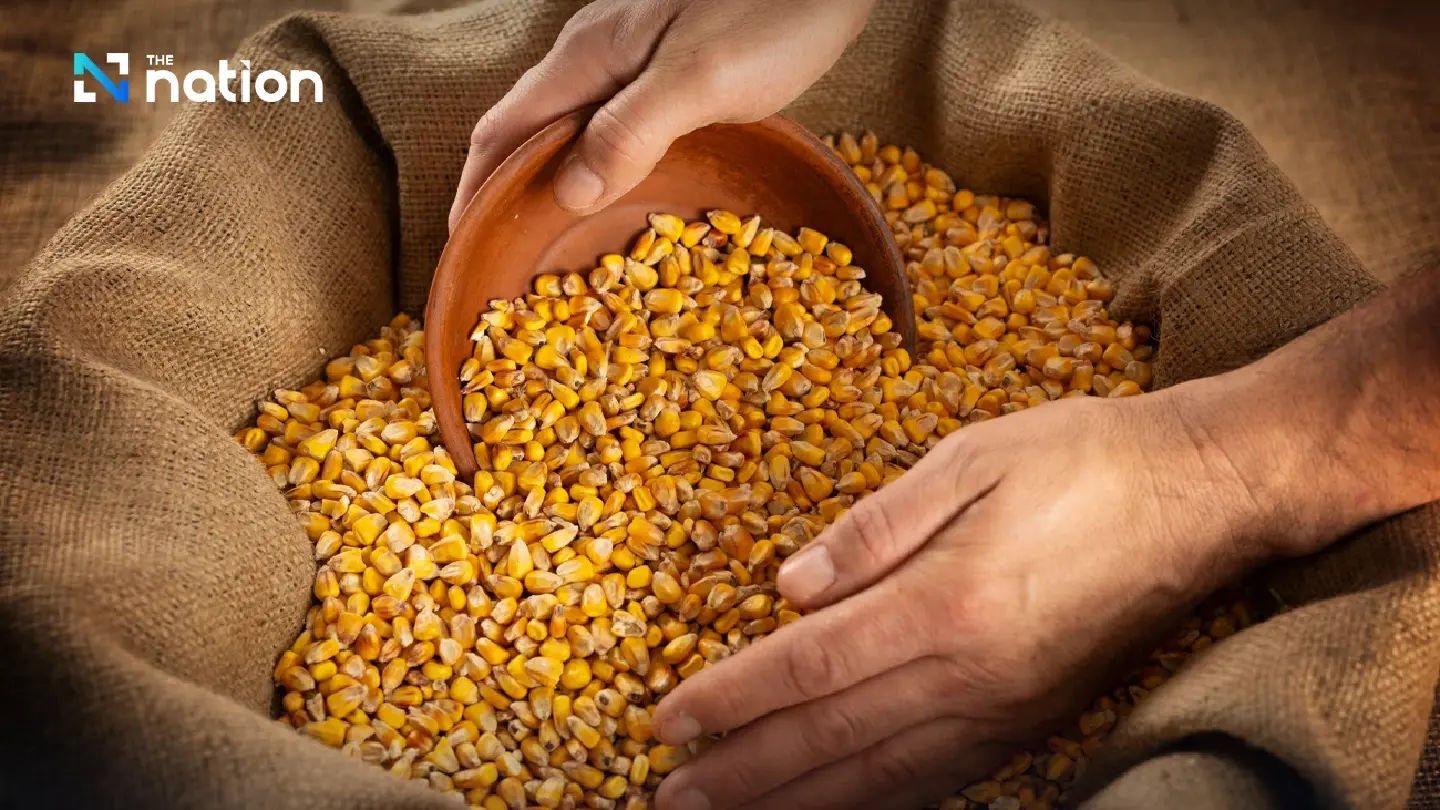


Thai livestock and fisheries groups say 1 million tonnes of US feed maize are needed to ease animal-feed shortages, cut production costs and protect food security, insisting the imports will replace wheat rather than local maize.
Thailand’s livestock and fisheries industries have defended plans to import 1 million tonnes of US feed maize, saying the move is needed to ease a chronic shortage of animal-feed raw materials, reduce production costs and support food security, while insisting the imports will not replace maize grown by Thai farmers.
The Thai Federation of Livestock and Aquaculture, together with four allied associations from the livestock and fisheries sectors, held a press briefing on Thursday (June 4) to clarify the industry’s position on US feed maize imports under the World Trade Organization framework. Pornsil Patchrintanakul, president of the Thai Feed Mill Association and secretary-general of the federation, joined representatives from pig, broiler and layer chicken groups in explaining the rationale behind the policy.
Cabinet green-lights 1m tonnes of US maize
The issue follows the Cabinet’s approval on November 11, 2025, to raise Thailand’s 2026 quota for US feed maize imports from 54,700 tonnes to 1 million tonnes, while cutting the in-quota tariff from 20% to 0%. The government said imports would be managed under the WTO framework, with importers required to buy domestic maize at a ratio of three tonnes locally for every one tonne imported.
The approved import window was also shortened from the previous February-August period to February 1-June 30, in order to avoid overlapping with the main domestic maize harvest from September to December. Imports outside the quota will still face a 73% tariff and a special fee of 180 baht per tonne.
Industry says Thailand faces structural feed shortage
Pornsil said US maize imports were necessary because Thailand’s livestock sector still relies heavily on imported animal-feed raw materials.
Thailand needs about 9 million tonnes of feed maize a year but produces only around 5 million tonnes domestically, leaving a shortfall of about 4 million tonnes. The country currently imports around 3.2 million tonnes of feed raw materials, comprising 1.5 million tonnes of maize from neighbouring countries and 1.7 million tonnes of wheat, while still facing a remaining shortage of about 800,000 tonnes, he said.
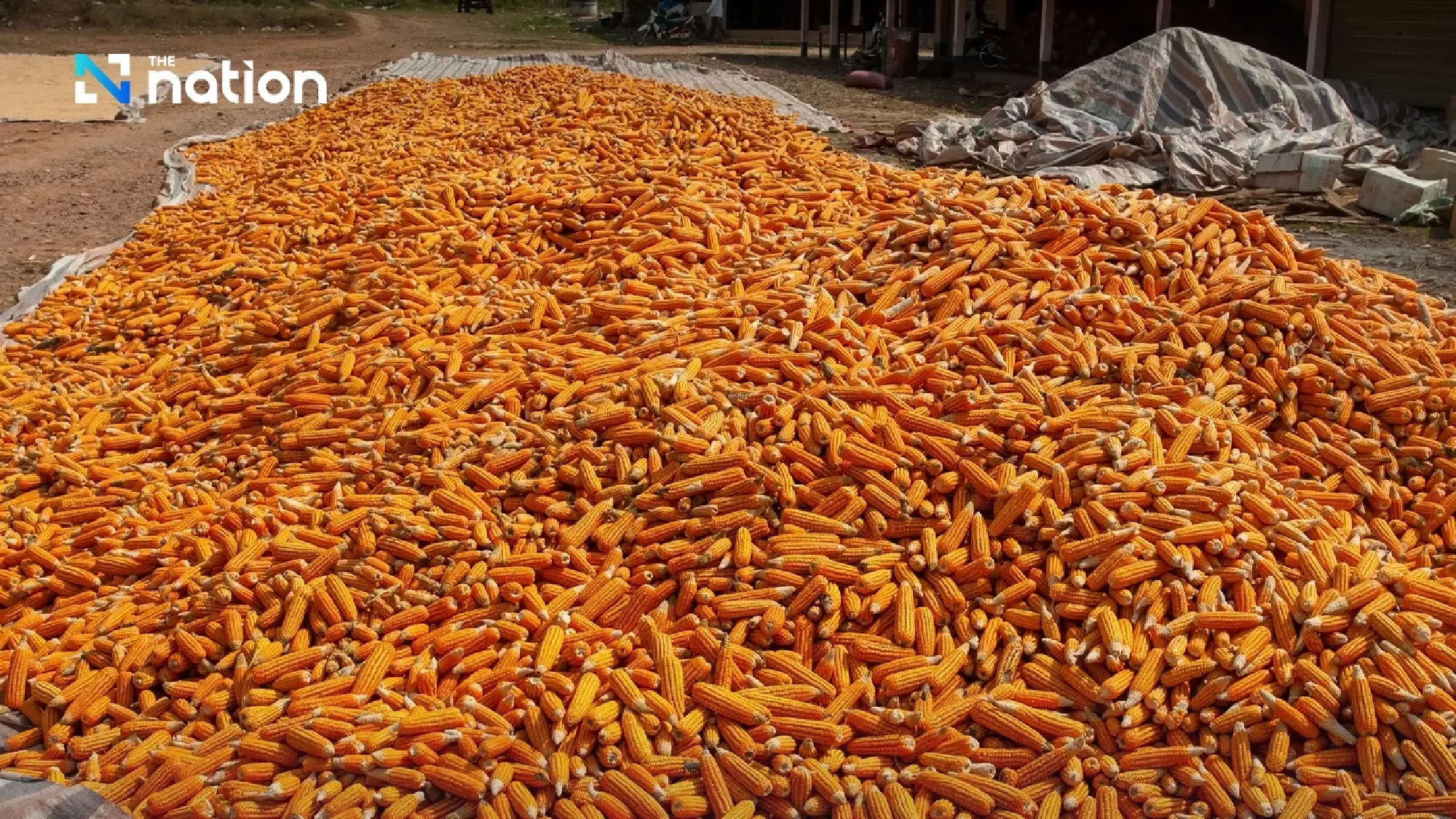
Imports to replace wheat, not Thai maize
The federation insisted that the planned US maize imports would not displace Thai farmers’ output.
Pornsil said the 3:1 domestic purchase rule means importers must first buy local maize before bringing in foreign supply. As a result, the 1 million tonnes of US maize would mainly replace part of the 1.7 million tonnes of imported wheat already being used in animal feed, rather than competing directly with Thai-grown maize.
The Commerce Ministry has also defended the planned imports as a supply-chain safeguard, saying Thailand’s domestic production falls far short of demand and that imports remain subject to strict controls to protect farmers.
High maize prices hit livestock producers
The livestock sector said Thai feed maize prices have risen above 13 baht per kilogramme, which it described as the highest in the world.
The industry blamed the surge partly on tighter import controls, lower imports from neighbouring countries under the ASEAN Free Trade Area framework, drought and delayed rainfall, which have slowed maize planting.
Pornsil said maize prices were rising at a time when meat prices were moving in the opposite direction, squeezing livestock farmers and feed producers. He urged the government to review import measures to create a better balance between protecting maize growers and keeping the livestock industry viable.
Lower feed costs could ease food-price pressure
Industry groups said US maize is competitively priced during many periods and could help lower the cost of animal-feed production.
They argued that cheaper and more stable feed supply would support livestock farmers, fisheries operators and feed manufacturers, while helping reduce pressure on consumer prices for protein products such as meat and eggs over time.
Local substitutes cannot fully replace maize
Pornsil said the industry already uses domestic carbohydrate-based raw materials as partial substitutes for maize, including paddy, broken rice, rice bran and cassava.
However, he said these materials cannot fully replace maize because of nutritional, safety, quality and market limitations.
Layer chickens, for example, require pigment from maize to produce egg yolks with the colour preferred by consumers. Broken rice and cassava do not provide the same quality, meaning producers would need to add synthetic pigment, which would increase costs.
Broken rice is also expensive because it competes with the human food market. Cassava has high fibre content and quality risks, fresh rice bran can turn rancid and is difficult to store, while paddy is harder to digest and requires additional enzymes.
Environmental and GMO concerns addressed
The federation said US maize imports could also help reduce environmental problems linked to PM2.5 dust and transboundary haze, especially as Thailand has tightened rules requiring feed maize from neighbouring countries to be traceable and burn-free. The Commerce Ministry said tougher burn-free import rules have been in place since January 1 as part of the government’s policy to address PM2.5 pollution.
On concerns over genetically modified organisms, or GMOs, the federation said GMO crops are widely used globally, including in Thailand’s food and animal-feed industries. It cited GMO soybeans, which it said have been used for more than 30 years without negative impacts on health or exports.
Trade pressure remains part of the equation
Pornsil also said the imports were linked to Thailand’s need to continue managing trade relations with the United States. Although the US Supreme Court struck down many of Donald Trump’s sweeping tariffs in February 2026, the US administration later pursued new tariff tools under other legal authorities, keeping trade pressure on partners alive.
The federation said the US maize plan should therefore be viewed not only as an import issue, but as part of Thailand’s wider effort to manage feed costs, food security, environmental standards and trade negotiations at the same time.
