
Suphajee rejects military-for-tariff deal in US talks
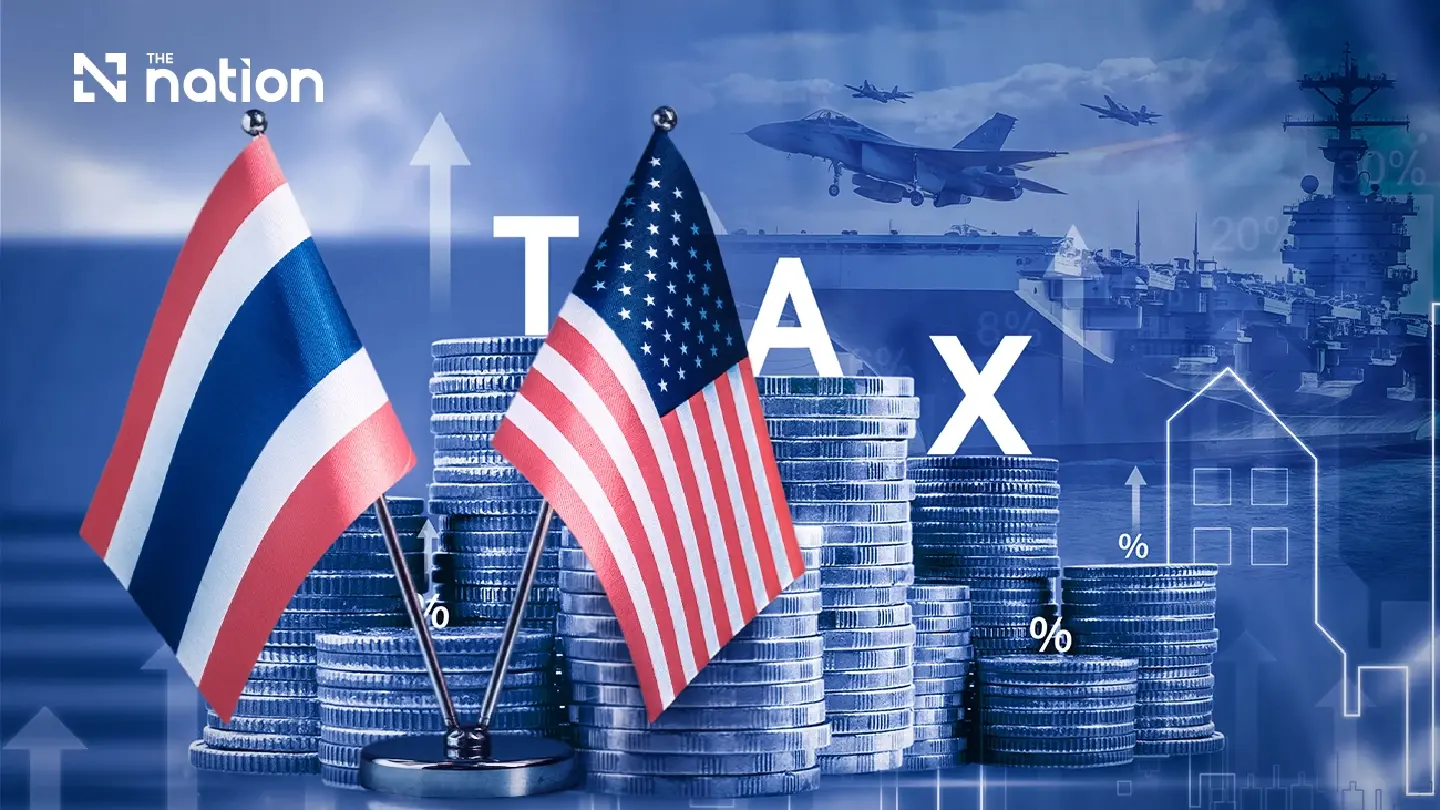


Commerce minister Suphajee Suthumpun denies military terms were traded for US tariff relief, pointing instead to nearly US$20bn in Thai private investment
- Thailand's Commerce Minister, Suphajee Suthumpun, has officially denied reports that the country offered military concessions to the US in exchange for favorable trade tariffs.
- She insisted that the negotiations are focused solely on trade and tariff interests, asserting that military cooperation between the two nations operates under a separate, pre-existing framework.
- Instead of a military-for-tariff deal, Thailand is highlighting its economic contributions to the US, such as nearly $20 billion in private investment, to support its negotiating position.
- Technical negotiations are scheduled for late August to address tariffs on the 28% of Thai products that do not yet have US tariff exemptions.
Deputy Prime Minister and Commerce Minister Suphajee Suthumpun has rejected reports that Thailand offered military concessions in exchange for favourable terms in trade negotiations with the United States, insisting that the talks remain focused on trade and tariff interests.
Suphajee said Thailand’s position was consistent with the government spokesman’s clarification that no such exchange involving military conditions had taken place.
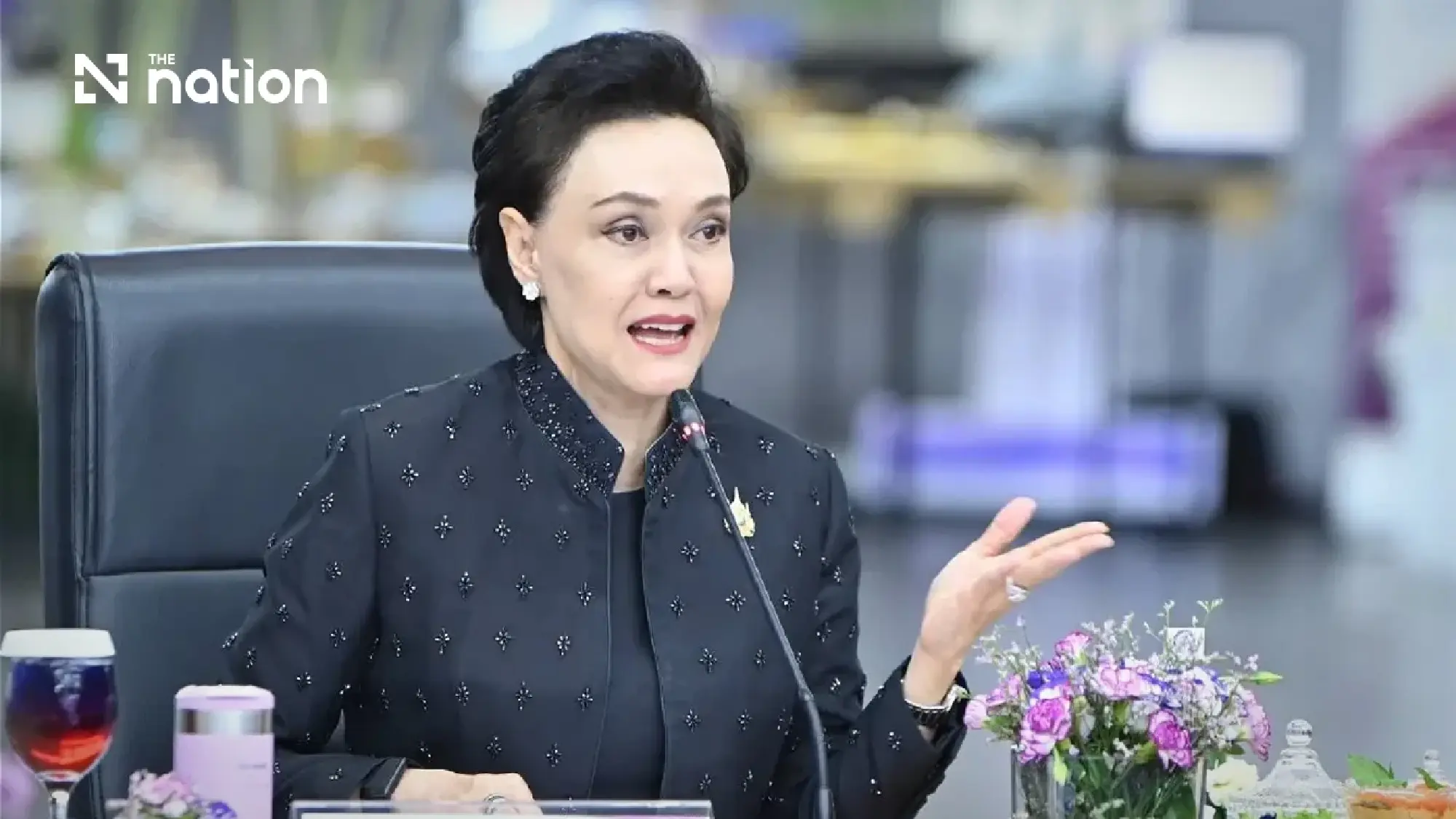
Military cooperation between Thailand and the United States already operates under an established framework, she said, while the trade negotiations are centred on securing the best possible balance of tariff benefits for both sides.
Thailand has instead brought other areas of economic cooperation into the discussions to demonstrate its contribution towards reducing the US trade deficit.
Thai investment in US approaches US$20bn
Suphajee identified Thai private-sector investment in the United States as an important element of that broader economic relationship.
Thai companies have invested nearly US$20 billion in the US and created a substantial number of jobs, she said, with more than US$5 billion in additional investment being prepared.
The figures were presented to show that the bilateral economic relationship extends beyond merchandise trade and should not be assessed solely through imports and exports.
Thailand has also explained to US officials that at least 30% of the trade surplus recorded on the Thai side comes from exports by American companies that have established manufacturing and investment operations in Thailand.
The government is continuing negotiations with Washington over tariff arrangements and wider reciprocal trade issues.
Technical tariff talks scheduled for late August
Suphajee said she was scheduled to travel to the United States in late August for technical negotiations aimed at reaching conclusions on the remaining tariff issues.
Around 72% of Thai products have already received US tariff exemptions, she said, including exemptions under the first group of Section 301 measures and Section 232, particularly for agricultural and electronics products.
The remaining 28% are still subject to tariffs.
The Commerce Ministry is preparing detailed information for the next round of negotiations with the aim of securing the lowest possible tariff rates for those products.
