
National Cancer Institute launches synbiotic somtam to promote gut health
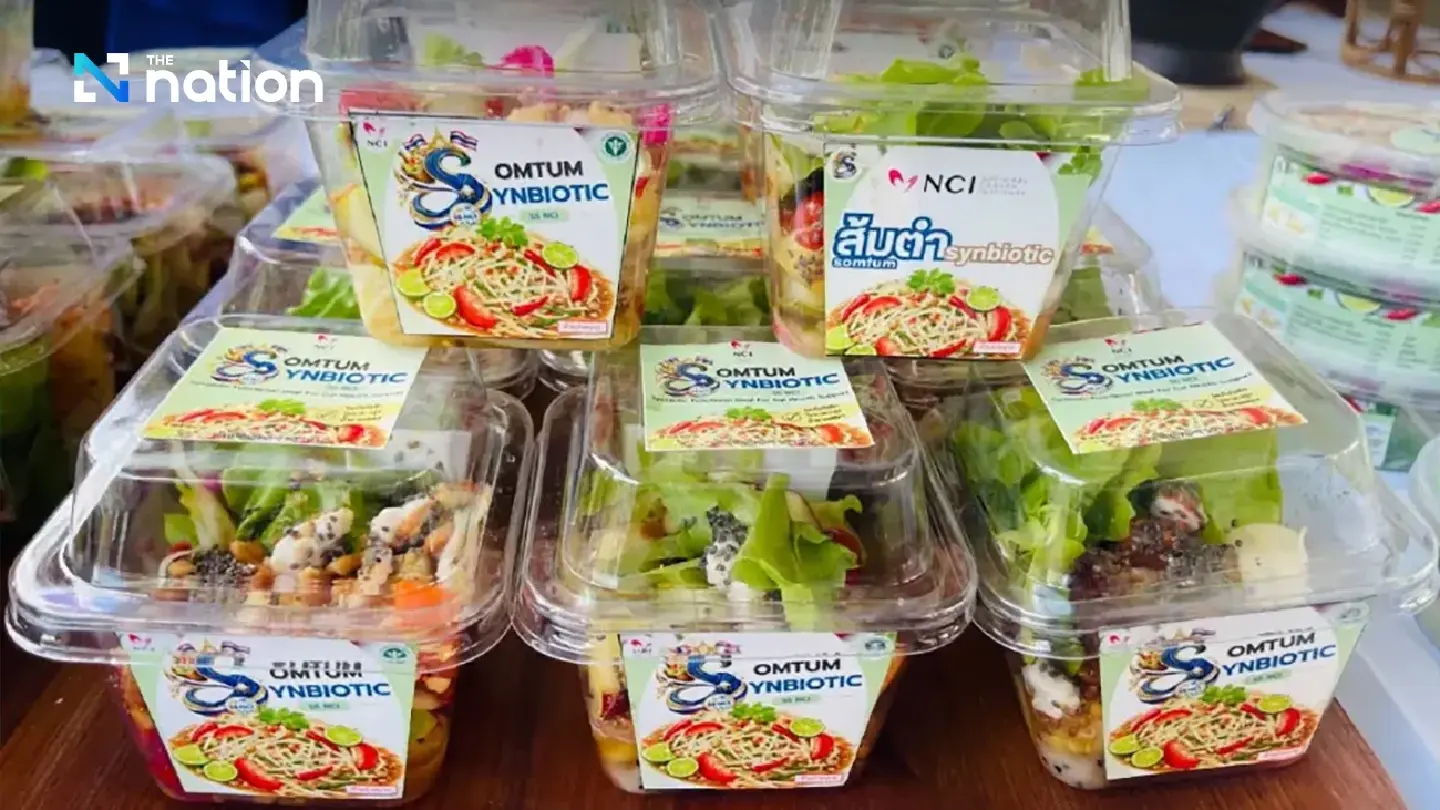


The National Cancer Institute has unveiled “Somtum Synbiotic: SS NCI” to raise awareness of gut health, fibre intake and colorectal cancer prevention.
The National Cancer Institute under the Department of Medical Services has launched a prototype healthy dish, “Somtum Synbiotic: SS NCI”, to encourage better gut health through familiar Thai food and mark Colorectal Cancer Awareness Month.
Somtam is a vibrant, pungent and iconic Thai salad traditionally made from shredded unripe green papaya. Its name roughly means “sour pounded”, reflecting both its flavour profile and its preparation method. It is typically made in a large clay or wooden mortar and pestle, where the ingredients are lightly bruised to release their juices and blend the flavours together.
Sakarn Bunnag, deputy director-general of the Department of Medical Services, said March is observed each year as Colorectal Cancer Awareness Month, with many countries using the period to promote disease prevention, healthier eating habits and early screening.

He said colorectal cancer remains one of the most common cancers worldwide, with more than 1.9 million new cases and about 900,000 deaths each year. In Thailand, patient numbers have continued to rise, particularly in urban areas where eating habits have changed. However, the disease can often be prevented or detected at an early stage, as it usually begins with a bowel polyp that may take around seven to 10 years to develop into cancer.
Gut health starts with daily eating habits
Sakarn said the gut plays a vital role in overall health because it contains large numbers of microorganisms that affect the immune system, energy metabolism and digestive function.
He said the key message behind the prototype menu is that gut health is shaped not by a single meal, but by long-term eating habits. The dish was developed based on the concept of synbiotic nutrition, which combines prebiotics, or dietary fibre that feeds beneficial microorganisms, with probiotics, or microorganisms that support digestive health, in order to help maintain a healthy balance of gut microbiota.
Thai fermented ingredients meet modern nutrition
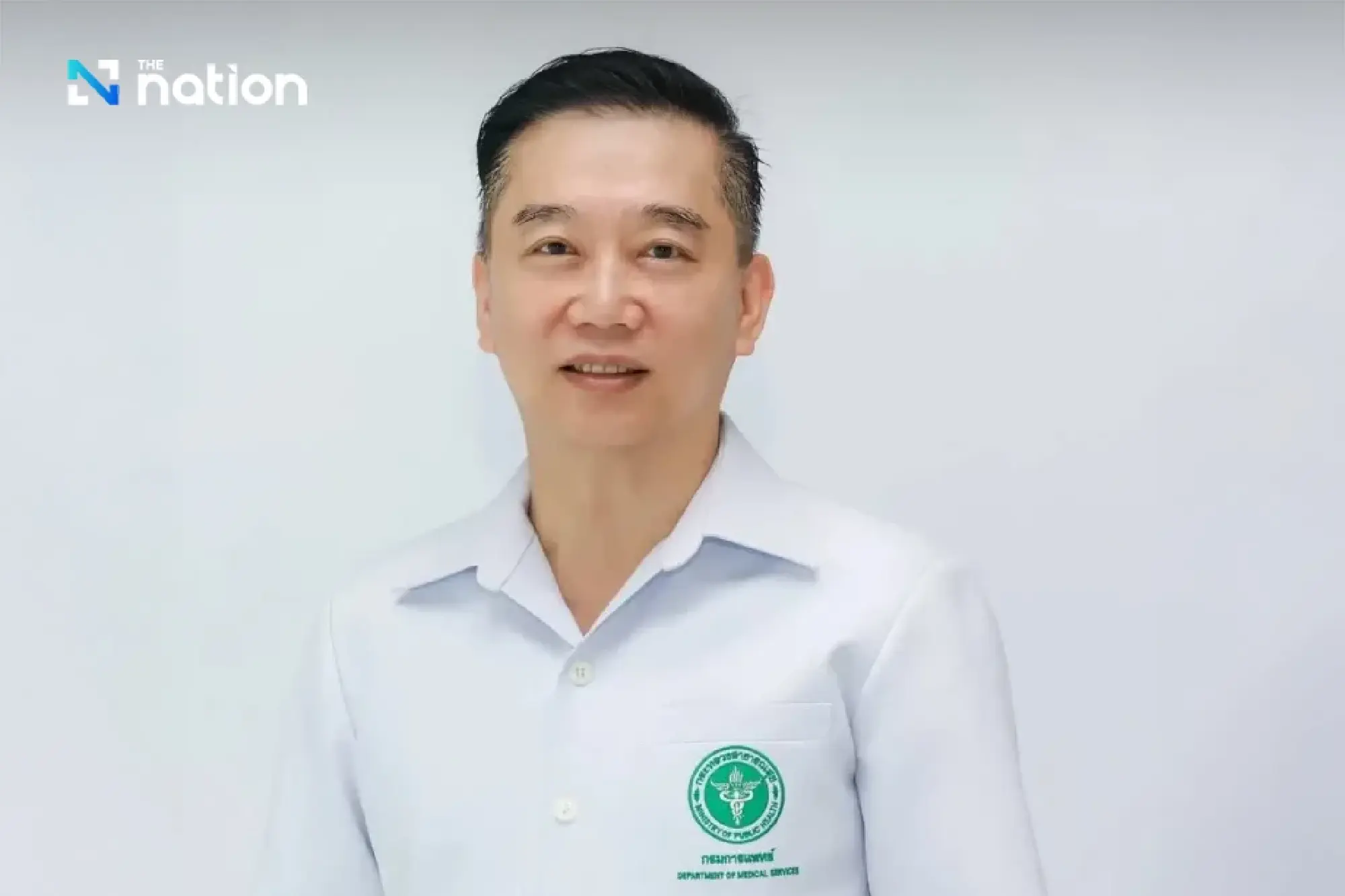
Somchai Thanasitthichai, director of the National Cancer Institute, said the standout feature of “Somtum Synbiotic: SS NCI” is its use of Thai pickled vegetables, drawing on traditional fermented-food wisdom, as an ingredient in somtam.
He said these ingredients provide beneficial microorganisms such as Lactobacillus. When eaten together with plant-based ingredients such as raw papaya, peanuts and a variety of fresh vegetables, which are all sources of dietary fibre, the dish offers the combined benefits of prebiotics and probiotics on a single plate.
Most Thais still fall short on fibre
Natthasaran Wongtecha, a specialist nutritionist and head of nutrition services and diet planning at the National Cancer Institute, said people should eat at least 400 grammes of fruit and vegetables a day, or about four to five portions, and consume around 25 to 30 grammes of dietary fibre daily.
However, Thai nutrition survey data show that most people in Thailand consume only around 10 to 15 grammes of fibre a day on average, nearly half the recommended amount.
She said fibre plays an important role in stimulating bowel function, feeding beneficial microorganisms and helping to reduce inflammation in the digestive system.
Through “Somtum Synbiotic: SS NCI”, the institute wants to show that everyday Thai food can be adapted using modern nutritional knowledge to help promote a healthy gut microbiome and reduce the risk of disease, particularly colorectal cancer.
The dish is intended not only as a prototype healthy menu, but also as an example of how traditional Thai food can be combined with scientific knowledge to create health education that is easy to understand and practical for daily life. The message, the institute said, is that gut health does not depend on one meal alone, but on eating habits built up day by day.
