
CDC panel to gather opinions from the public


Play
CDC aims for "public concerns and opinions" during drafting processIN an attempt to make time for public debate on a new charter draft, the Constitution Drafting Committee (CDC) yesterday set up an opinion-gathering subcommittee, its spokesman Amorn Wanic
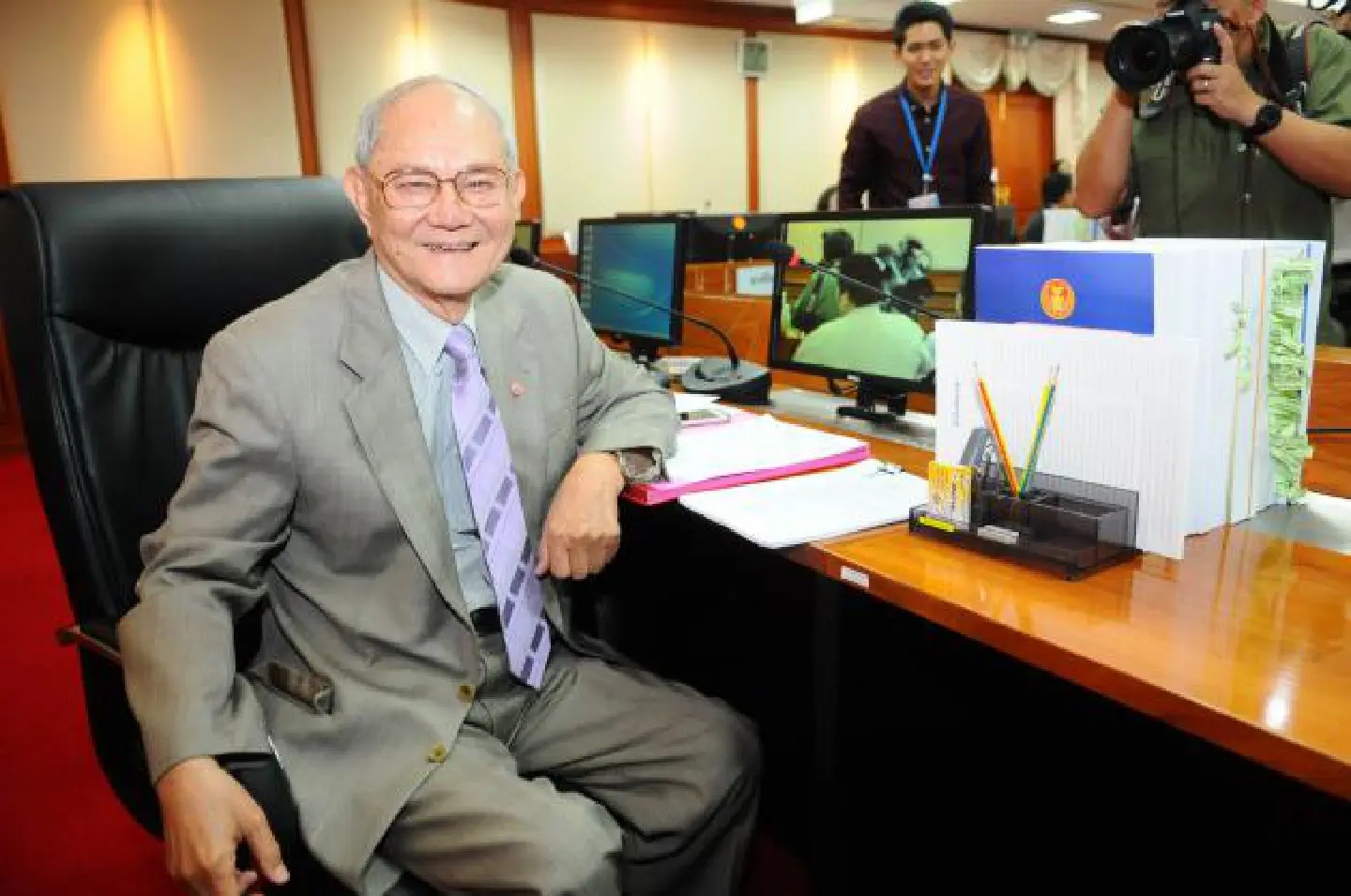
The resolution came after the newly appointed CDC held its first meeting yesterday at the Parliament.
The CDC spokesman said the work of the former charter drafting committee would be taken into account – but so too would public concerns and opinions.
CDC chairman Meechai Ruchupan said that the committee would gather opinions from the public both offline – like the PO Box – or online, like his personal website. He would take into account all constructive comments.
Whether this public comment would include the draft charters’ content, the CDC had yet to decide, but it would discuss the idea.
However, should any fresh ideas that can make a valuable contribution to the charter be raised – and there was time to add them in – the CDC wouldn’t hesitate to do so, Meechai said. Apart from the opinion-gathering body, he also revealed the meeting had resolved that a public relations subcommittee be set up to publicise and explain its work to the community.
Meanwhile, Prime Minister General Prayut Chan-o-cha did not rule out any possibility of how a “crisis panel” concept – a special authority in time of crisis – of the National Strategic Reform and Reconciliation Committee (NSRRC) would be added in the new charter draft.
“I don’t know if it will be put into the new draft,” the premier said. He refused to comment on earlier reports that a panel would remain as the NSRRC’s main, controversial feature in the charter draft. The reports on the draft were revealed on Monday by Justice Minister General Paiboon Koomchaya and a source from the National Council for Peace and Order (NCPO).
Prayut expressed his agreement to the concept, but said: “The previous CDC initiated it as they thought the government needed a mechanism to help solve the problem just for a certain period of time – not forever.
“If you don’t want it to be normal, then you don’t need a charter and I don’t need to take power.”
The PM had not talked with Meechai, saying guidelines on the draft had already been made and he did not need to tell Meechai any more about what needed to be written into it.
He said that even a hundred charters would never be of use if people did not respect them as they currently did with this one. “I also don’t know who the next government will be. I don’t know how they will fix the charter...
“But I’m not worried that they won’t follow [the current government’s path]. I’m just worried how people will react to it.”
The CDC also appointed Supoj Kaimook and Apichart Sukhagganond as the first and second vice chairpersons. Pakorn Nilprapunt and Thanawat Sangthong were appointed as the first and the second secretaries of the body, with Amorn and Norachit Sinhaseni as spokesmen.
The drafters had initially planned to have the first draft of the charter done by January next year, to collect feedback before finishing the final draft in April, Amorn said.
However, Meechai also expressed concern that after counting weekends and holidays, the CDC a total of 120 days to work on the draft. It was such a limited of time, he said, adding that he might try to have a meeting every day and also work on weekends.
Initially, the press won’t be allowed to observe CDC meetings. Amorn said the media’s presence would make some drafters uncomfortable and they wouldn’t be able to contribute as much to the meeting.
Meanwhile, an anti-coup group New Democracy Movement, with 10 members, gathered at Parliament yesterday to read a statement to voice their opposition to the new drafting body. They said a charter written by the military’s legal servants would only undermine democracy and give more power to bodies with no connection to the people.
