
PM invokes Article 44 to set up reform committee
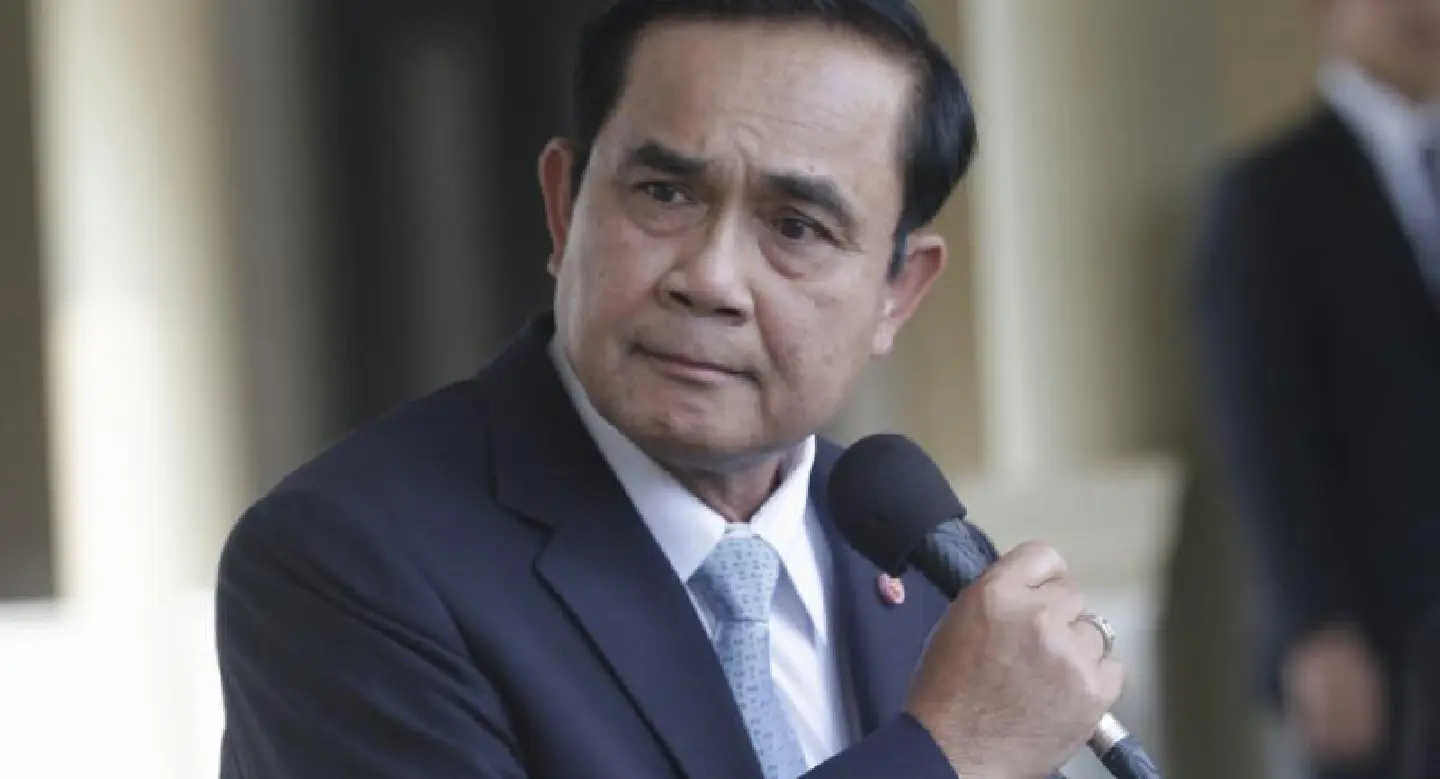


TO expedite the junta’s reform efforts, Prime Minister General Prayut Chan-o-cha yesterday planned to issue an order to establish a committee to prepare and manage proposed reform agendas.
The order was to be one of three issued yesterday by the premier in his capacity of head of the National Council for Peace and Order (NCPO), utilising his sweeping powers granted by the interim charter’s Article 44.
The order was announced at an NCPO meeting held prior to the Cabinet meeting yesterday.
The orders stipulates that the committee will be assigned to prioritise and screen reform agendas proposed by the junta-appointed National Reform Steering Assembly (NRSA), which has made 126 recommendations covering various aspects of national reform, Government Spokesperson Lt-General Sansern Kaewkamnerd said.
The issues would be essential, he said, as the latest charter stipulates that national reforms and the planning of strategy must be completed within four months after its promulgation, or next February as currently anticipated.
The committee will be authorised to set up sub-panel with members picked from the National Economic and Social Advisory Council, the Law Reform Commission and the Political Development Council.
Those three bodies, established under the 2007 charter, were legally suspended by junta orders earlier this month on the grounds that their work could overlap with that specified by the junta’s planned national strategy.
The committee, which will have 19 members and be chaired by the prime minister, will include high-ranking officials such as deputy prime ministers, two ministers possibly from the PM’s Office and Justice, the prime minister’s secretary-general, plus secretary-generals of the National Economic and Social Development Board and the Council of State.
Chairs of top lawmaking bodies will also be invited, including presidents of the National Legislative Assembly (NLA) and the NRSA.
Prayut said the new committee would seek to combine the main strategies proposed by the so-called “five rivers of power” – the NCPO, Cabinet, the NLA, the NRSA and the Constitution Drafting Commission – starting as early as January.
At his weekly news briefing, Prayut also said his use of power under the Article 44 would continue as “necessary”.
“Why [are people] so scared of it? It’s never meant to assault any party,” he said. “If Article 44 wasn’t here, there would still be legal deadlock and we would not be able to move forward.
“Those who want [the article] to be lifted are only wrongdoers,” Prayut said. “If there isn’t anything wrong, [the article] won’t be used.”
