
Prayut drops plan for press conference on NCPO’s third anniversary
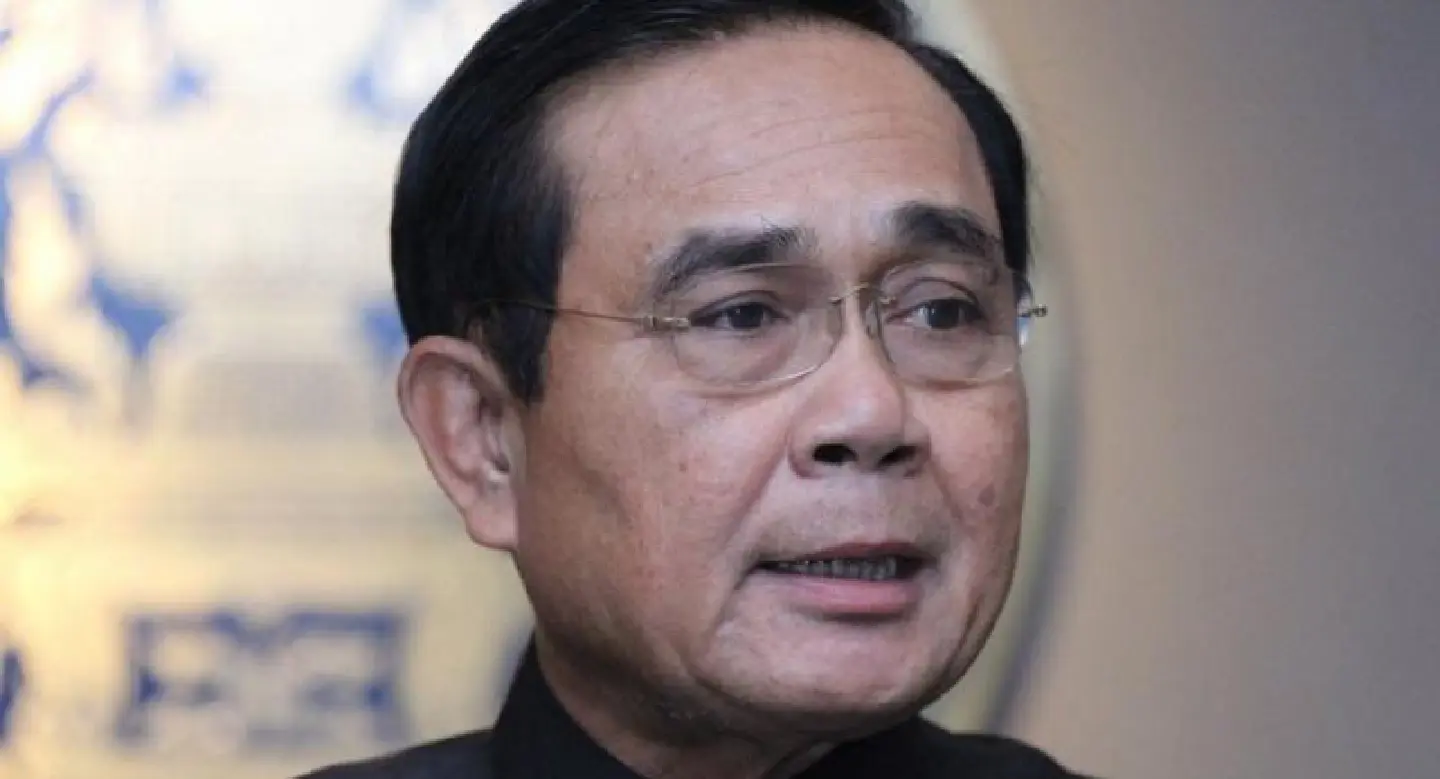


Despite an earlier plan to do so, the National Council for Peace and Order (NCPO) will not hold a press conference on the occasion of its third anniversary next Monday, Prime Minister General Prayut Chan-o-cha said on Tuesday.
Prayut said a single press conference would be held in September, when the junta government has its own anniversary, as he considered that the two bodies should not be regarded separately.
“We work together.
The NCPO serves as a supporter, not a commander, to the government,” he added.
The premier went on to say that people’s well-being, and especially those with low incomes, remained the priority for the government and the NCPO.
However, he said, they had focused on a restructuring approach rather than stimulus policies involving the provision of money.
The PM acknowledged, however, that such an approach might not be widely appreciated. “But how can we seek money to subsidise everything?” he said rhetorically. “We just do as much as the budget allows us to do.”
The national-budget issue came to the fore recently following figures showing that treasury reserves had hit a decade low in January, sinking to Bt74.9 billion.
Despite this, the Cabinet approved a series of military hardware procurements, one of which was the Bt13.5-billion Chinese-submarine purchase that would bind Thailand for seven years.
As Prayut said, the ruling junta has focused its main effort on so-called reforms, to the extent that they became the working theme of this authority.
The parliamentary National Reform Steering Assembly, governmental committees and several actions under Article 44 of the former charter have all been used to work on holistic reforms.
Still, these NCPO-focused attempts have been doubted as to whether they can truly bring effective reform, otherwise they could just as well be authoritarian tools.
This also relates to concerns that the NCPO may want to remain in power after a democratic general election is held.
“I do worry about this country. But I don’t worry much about democracy,” the premier said. “This is because democracy is already there. I don’t think the [coming] election will be any different from the past.
“What are we going to do if we get the same troublemakers [after the election]?” he added. “Still, an election needs to happen. This country shouldn’t return to the same format of democracy. Every single person needs to participate in designing future paths together.”
