
PM’s office minister unfazed by moves to seek ruling on constitutionality of key bills
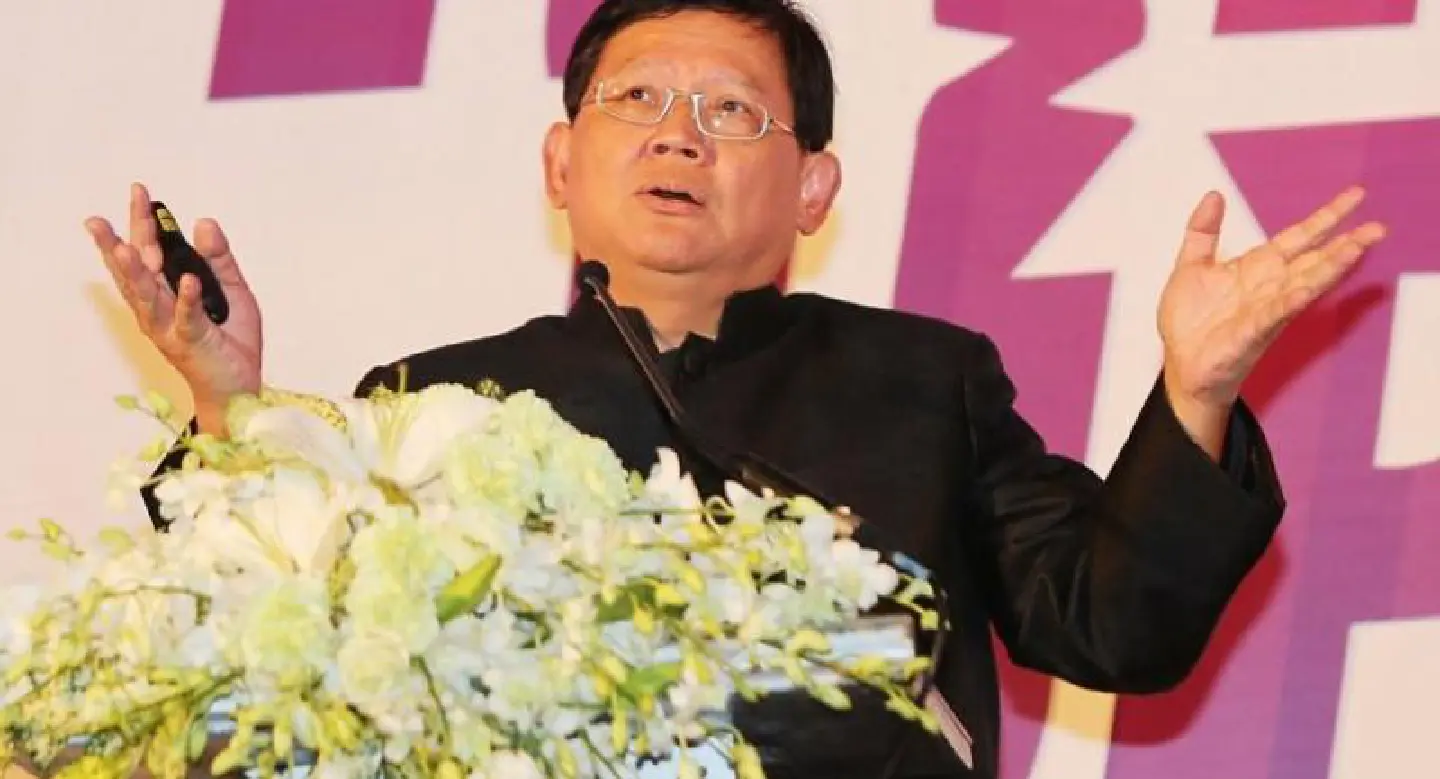


PM’s Office Minister Suvit Maesincee said on Monday that he was sure the new laws on national strategy and national reforms would proceed as planned despite any moves aimed at seeking a court ruling on the two bills’ constitutionality.
The minister insisted he was not worried about such a development, referring to the decision by the Pheu Thai Party’s Ruangkrai Leekitwattana to submit a petition to the ombudsman’s office, asking it to examine the issue and put the point to the Constitutional Court.
The Democrat Party also plans to petition the court as it considers that the laws did not pass public hearings as required under Article 77 of the new charter.
Suvit said the government had held extensive public hearings on the laws and followed the stipulations in the charter.
He said he believed there would not be any disruption to the plan to put the laws in place as required by the Constitution.
The two laws are for the first time addressed in the charter, which has been in effect since April 6.
The National Legislative Assembly (NLA) passed the national strategy and national reforms laws last Friday, but Ruangkrai has since questioned the process.
He claimed that the government had submitted the draft bills to the NLA two days before the Constitution came into effect, while the charter clearly stated that law enactment shall start shortly after it entered into effect.
The two bills, if promulgated, would pave the way for long-term development strategy, covering a period of at least 20 years.
The national strategy bill has been heavily criticised by some political observers, as it would have a significant number of military top brass sitting along with representatives from other sectors on the national strategy committee, raising fears that national strategy would be dominated by the military.
However, NLA lawmakers have defended the composition of the committee, arguing that only one-fifth or one-sixth of the number of people allowed to sit on the panel would be from the military, making it impossible for them to dominate as feared.
