
Just ticking along
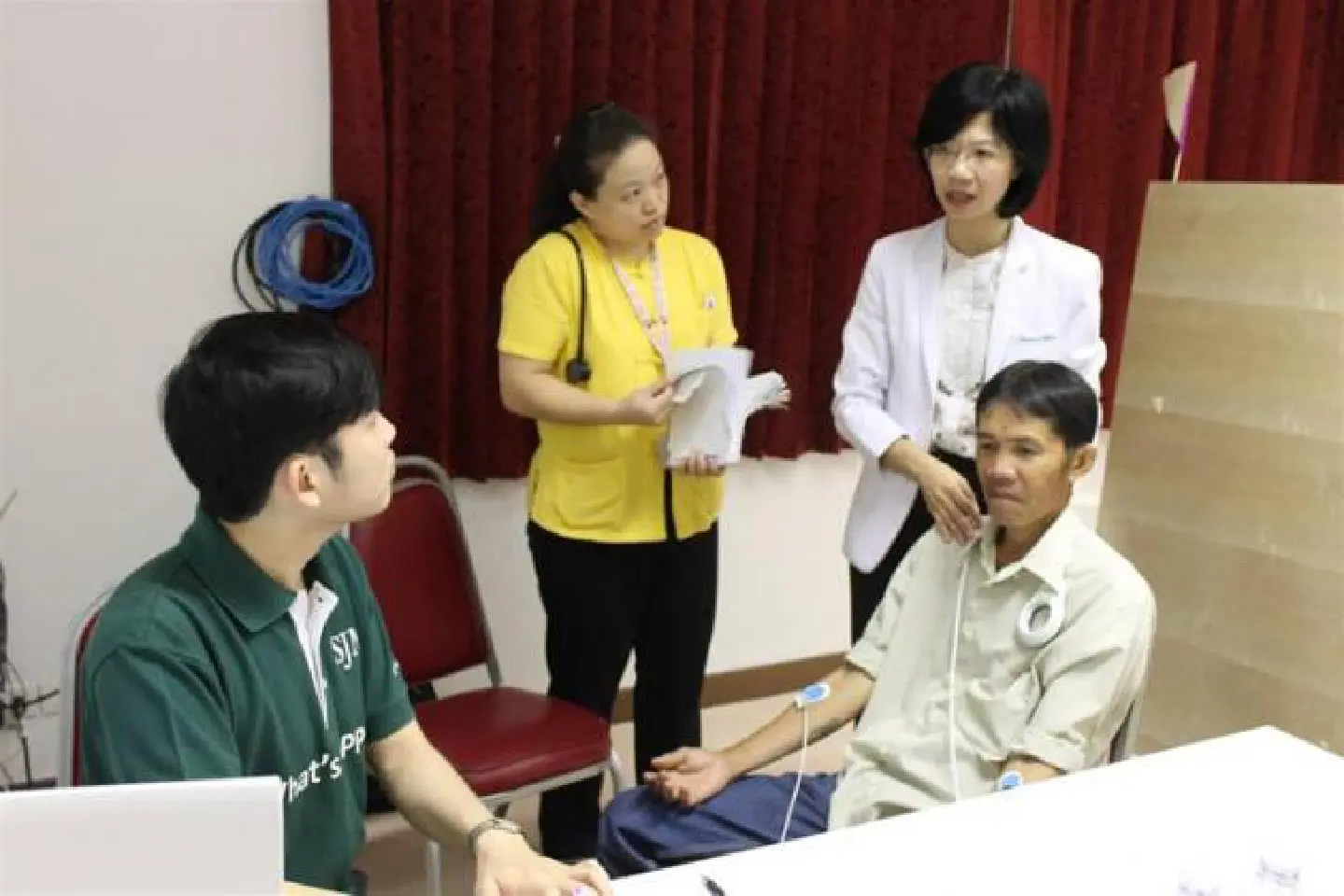


In remote Nan, heart doctors from Chiang Mai show up to help with patient tune-ups
LIVING IN A remote rural setting can be something of a challenge for heart patients fitted with pacemakers and defibrillators. This is certainly the case in Nan province, where patients have found it almost impossible to make the journey further north for routine check ups with their cardiologists.
But thanks to a team of medical specialists from the Maharaj Nakorn Chiang Mai Hospital (Suan Dok) who are happy to make the trip to Nan, for the last four years they have all received their annual checks at the local hospital.

The examinations are designed to determine whether the devices are still working well and keeping the patients in good health.A pacemaker helps patients who have an abnormally slow heartbeat, while the defibrillator helps control an off-rhythm heart.Such devices are placed in the patients’ chest walls and need to be checked on an annual basis.Cardiologist Dr Wanwarang Wongcharoen of Maharaj Nakorn Chiang Mai Hospital says a pacemaker is indicated for patients with symptomatic slow heartbeat such as syncope or dizziness.
An ICD, on the other hand, is a device used to detect dangerously fast heartbeats and give a shock to correct the heart’s rhythm. It is often recommended for patients who have experienced abnormal heart rhythms or are at risk from sudden cardiac arrest such as those affected by the Brugada syndrome or patients with reduced heart function.
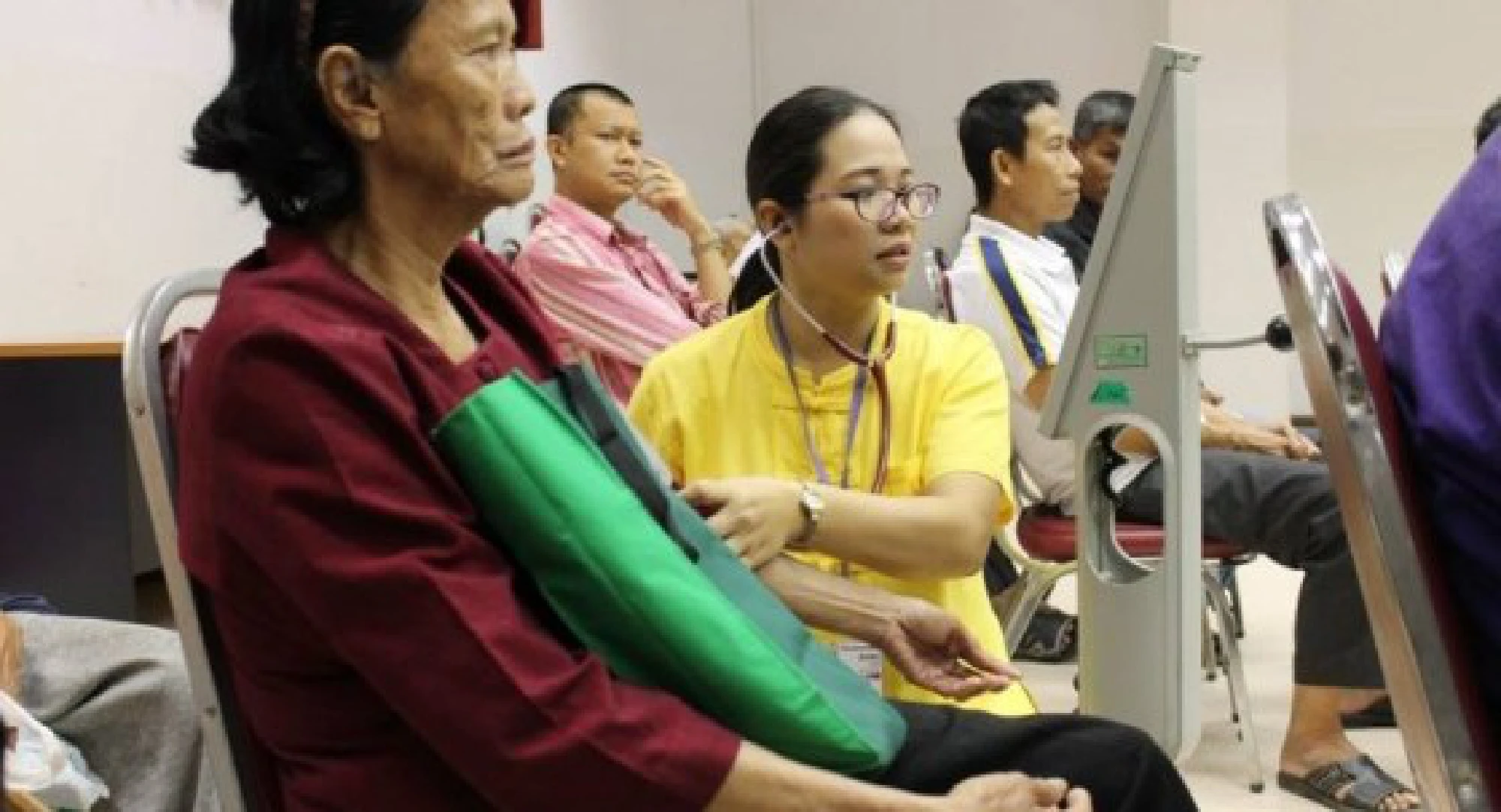
New cases of pacemaker and ICD use patients in Nan totalled three and two respectively in 2013, 16 and eight the following year. This year the number has fallen 10 and seven, says Dr Nualnit Tantisirivit, a physician with Nan’s internal medicine department.
“Most patients are elderly. They don’t want to travel,” she said, adding that the mobile medical team from the Chiang Mai-based hospital is much needed.
It takes about six hours for patients to travel from Nan to Chiang Mai by bus. In addition to the long trip, these patients also have limited financial resources to cover travel expenses.
What’s more is that the travel time and expenses may double if the checks find signs of abnormality. That would mean patients would have to head to Chiang Mai again to get a needed replacement. At present, Nan does not have the medical specialists or the equipment to provide such services.

“Because of the transport difficulties, we consulted with our staff about the way to solve this problem.
“If we travel to the patients, they will have to make the journey just once. If we don’t find any problem, they wouldn’t have to come at all,” says cardiologist Dr Arintaya Phrommintikul. According to her, a defibrillator needs to be checked every year because some old models might have a problem with a short-lived battery. Other common abnormalities are broken wires and battery deterioration.
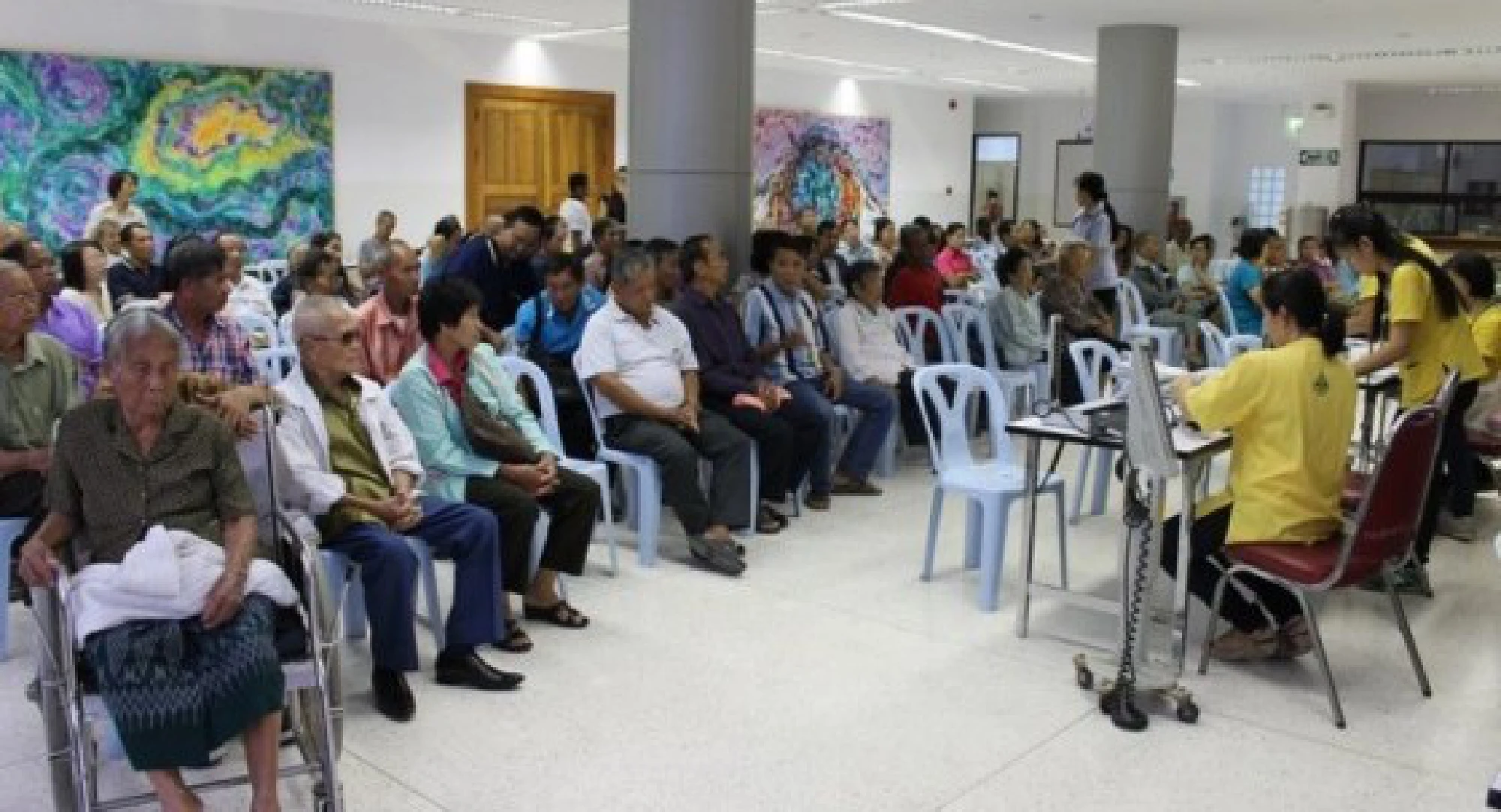
Thanks to ongoing efforts to improve care for arrhythmia patients, community hospitals have already started sending patients’ electrocardiography results to experts for phone consultations instead of referring patients to medical specialists in a larger province. In addition, the number of trips that patients need to make between Nan and Chiang Mai therefore has reduced from two to three times to just one trip each year.
Arintaya says each patient has been able to save approximately Bt3,116 in transport expenses.
For Nan Hospital the challenge lies in ensuring all the patients come at the same time. The first year of the scheme saw some patients being omitted but this has since been rectified by the sending out of a written invitation and following up with a phone call.
