
Kiatisak’s days were numbered as soon as Somyot took over
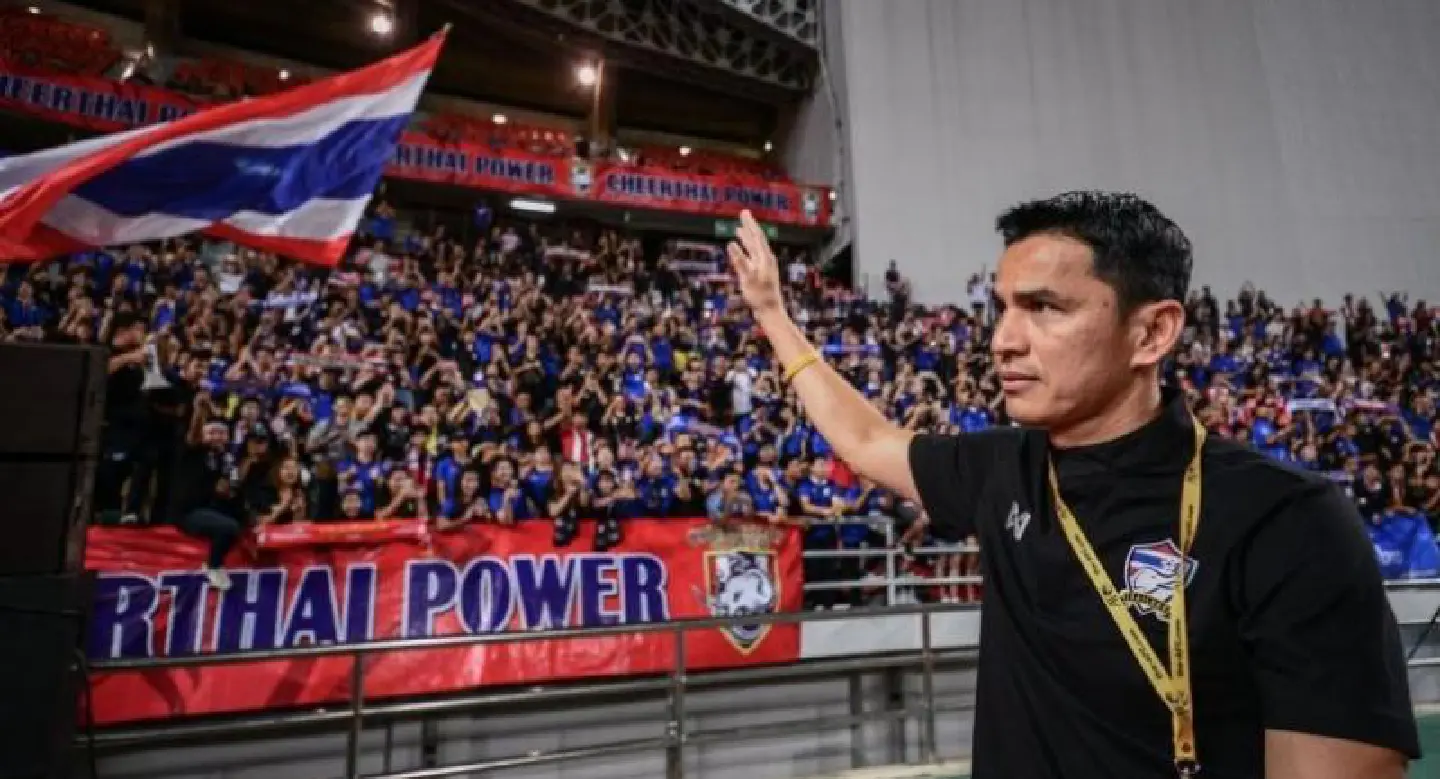


The suddenness of Kiatisak Senamuang’s departure from his job as national football team coach shocked many fans, but the writing had been on the wall ever since power changed hands at the Thai football Association over a year ago.
Back in February 2016, former national police chief Somyot Poompanmuang was elected as new head of the Football Association, securing a landslide victory over a candidate backed by disgraced former FA boss Worawi Makudi.
Kiatisak was not directly involved in the election but both the Somyot and Worawi camps saw him as a key figure in canvassing support from member clubs. Somyot quickly announced that if he won the top job in Thai football, there would be no change in the coach’s post.
It was a shrewd move, given that Kiatisak was riding high in the public’s affection for overseeing a turnaround in the Thai team’s fortunes after years in the international wilderness.
The election campaign also featured allegations that Worawi’s camp, in a desperate bid to retain control over the country’s biggest sporting budget, claimed there would be a coaching change if they lost.
But the victorious Somyot kept his word and offered Kiatisak, nicknamed “Coach Zico”, a written contract to replace the caretaker status offered by Worawi in the middle of 2013 following the departure of German veteran Wilfried Schaefer.
Despite working under a new boss, things appeared to go smoothly for Kiatisak as he quickly delivered on his promise to reclaim the King Cup title last June to mark the centenary of the Thai FA.
With the country still deep in grief following the passing of the King Bhumibol Adulyadej, the coach provided some much-needed cheer for Thais by guiding the Kingdom to their second successive Asean Championship title in December, making them the most successful team in the biennial tournament with five titles.
It looked as though Kiatisak had secured his reign for many years to come. But amid the euphoria of the title triumph, the 43-year-old became the subject of intense speculation over his future with only months left to run on his contract.
The contract talks coincided with reports of a strained relationship between the coach and his boss. The pair sought to dispel the rumours with a photo of Kiatisak handing Somyot a New Year gift basket as evidence of friendly ties.
However, with contract negotiations dragging on for weeks, suspicions of a rift grew. A deal was finally done when Kiatisak put pen to paper on February 28, but only after Somyot had set an ultimatum: sign the one-year extension or we begin looking for a new coach.
A source familiar with the matter said Kiatisak was only offered a short-term deal because those in power saw him as a legacy of the old regime and thus a temporary fixture.
When the opportunity arose to bring the curtain down on his tenure sooner than expected thanks to Thailand’s embarrassing defeats at the hands of Saudi Arabia (3-0 at home) and Japan (4-0 away) in the World Cup qualifiers, Somyot was quick to turn up the heat on the coach.
He made negative comments about the team’s dismal campaign in the last-12 team round of Asian qualifying for next year’s finals in Russia, which left the beleaguered Kiatisak in an untenable position. On Friday evening the still-popular coach announced to the world that he was leaving his post.
The string of successes he achieved with the Thai side ultimately failed to save him from a spectacular fall from grace. In the eyes of his new bosses Kiatisak was no longer the right man in the right place at the right time.
