
US and Iran Reach Agreement to End War, Signing Set for Friday
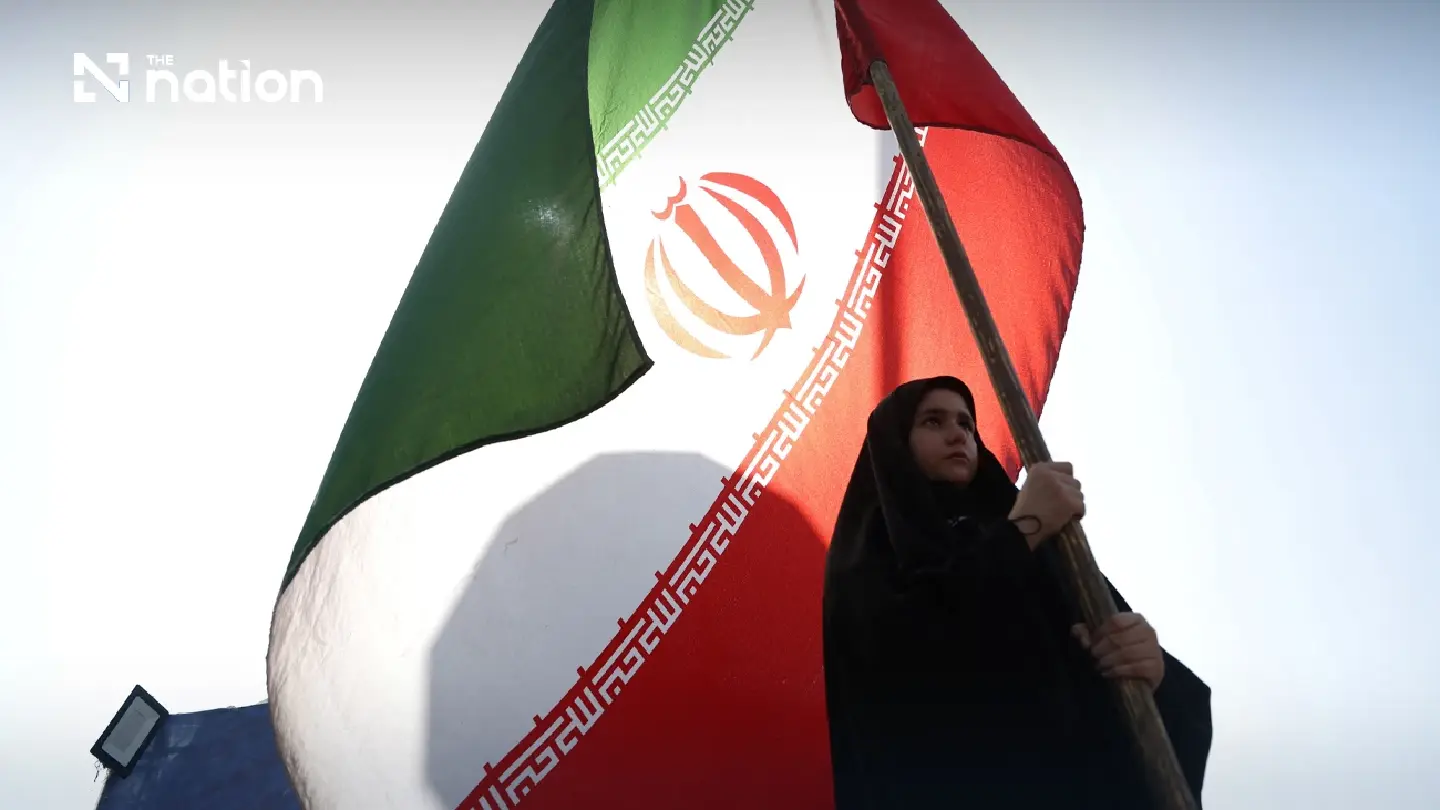


Washington and Tehran agree a preliminary pact to lift the port blockade, reopen the Strait of Hormuz, and enforce an immediate ceasefire
- The US and Iran have reached a preliminary agreement to end their war, which includes an immediate ceasefire, lifting the US blockade on Iranian ports, and reopening the Strait of Hormuz.
- The memorandum of understanding is scheduled to be officially signed on Friday in Switzerland, with Pakistan having served as a mediator.
- The agreement mandates a permanent end to military operations on all fronts, a term that specifically includes the conflict in Lebanon.
- This initial pact does not resolve the fate of Iran's nuclear program or sanctions relief; these issues will be addressed in further negotiations during a 60-day ceasefire.
Washington and Tehran agree on a preliminary pact to lift the port blockade, reopen the Strait of Hormuz, and enforce an immediate ceasefire.
US and Iranian officials said on Sunday they had agreed on a framework to end their war, halt the US blockade of Iran, and reopen the Strait of Hormuz. The preliminary pact sent oil prices falling but leaves the fate of Iran's nuclear programme to further negotiations.
"The Deal with the Islamic Republic of Iran is now complete," US President Donald Trump wrote on his Truth Social platform around 5:30 pm local time in Washington (21:30 GMT) on Sunday.
His post came shortly after the Pakistani Prime Minister, Shehbaz Sharif, whose country has served as a mediator, announced a deal had been struck early on Monday local time.
The memorandum of understanding is scheduled to be officially signed on Friday in Switzerland.
The precise terms were not immediately known. Sharif said in a post on X that the pact called for "the immediate and permanent termination of military operations on all fronts, including in Lebanon."
Lebanon has been a sticking point in negotiations, with Israel and Hezbollah ignoring calls from Trump and others to stop their attacks on each other in recent weeks.
In a statement, the secretariat of Iran's Supreme National Security Council said war and military operations on all fronts, including Lebanon, would end permanently starting on Monday night.
There was no immediate reaction to the announcement from Israel, which has said it was not party to the US-Iran talks.
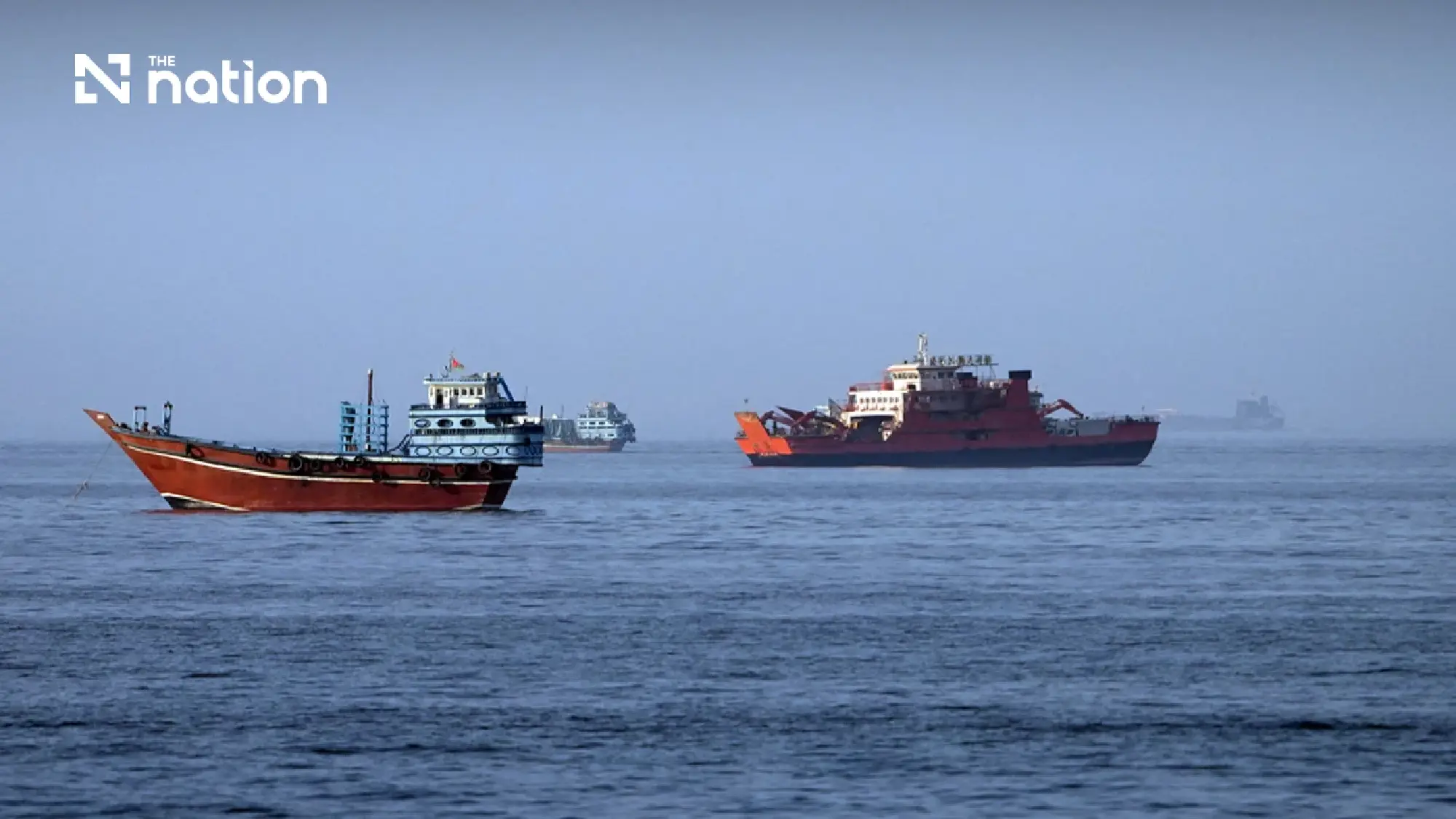
Strait to reopen
Trump said the Strait of Hormuz, a major shipping route for global oil and gas supplies that Iran has effectively shut down for months, would open on Friday and that he had ordered the end of the US blockade of Iranian ports.
"Ships of the World, start your engines. Let the oil flow!" Trump wrote.
Oil prices fell on the news. Brent crude futures fell 4% in early trading on Monday, while US West Texas Intermediate slid more than 4.6%. Stock markets in Asia jumped.
Matthew Miller, a former State Department spokesperson for the Biden administration, said Trump had made important concessions to Iran to achieve the status quo that existed before he launched the war.
"We have no assurances the nuclear programme will ever be addressed, but Iran has shown the world it can take the global economy hostage and get something from the US in return," Miller said.
Iran's deputy foreign minister, Kazem Gharibabadi, said a more expansive agreement would be negotiated during a 60-day ceasefire period, including sanctions relief for Iran.
The fate of Iran's nuclear programme, another thorny issue, will also be addressed in those later talks, sources previously told Reuters.
Thousands of people have been killed, mostly in Iran and Lebanon, since US and Israeli forces first attacked Iran on 28 February. Iran has struck Israel and Gulf states hosting US bases and has effectively blockaded the Strait of Hormuz, pushing up global energy prices. US forces have blocked Iranian ports in response.
The Iran war has become a political liability at home for Trump and his fellow Republicans in Congress, with public opinion polls showing Americans deeply frustrated by rising petrol prices ahead of November's midterm elections.
However, Trump has also faced pressure from members of his own party who insist that Iran's nuclear programme must be completely shut down.
Republican Senator Lindsey Graham, a leading Iran hawk, praised the deal but said he would be "watching closely" the coming negotiations on Iran's nuclear programme.
"Under our law, any nuclear deal with Iran will be sent to Congress for review and a vote," he said. "Congratulations to all in getting us to this point."
During his first term, Trump withdrew the US from a 2015 multilateral Iran deal, negotiated by the Democratic president Barack Obama, which lifted sanctions on Tehran in exchange for limits on its nuclear programme, including international inspections.
Iran responded by ramping up its enrichment of uranium, producing more than 400kg of material at close to bomb-grade purity. The eventual fate of that uranium is likely to be a key negotiating point during the upcoming talks.
Trump calls Netanyahu 'a very difficult guy'
The agreement was sealed despite an Israeli strike on Lebanon on Sunday that drew criticism from both Iran and Trump.
The Prime Minister, Benjamin Netanyahu, has differed with Trump over American demands that Israel curb its military action in Lebanon to allow the United States to reach a deal with Iran.
Israel has said it will retain freedom of operations in Lebanon, while Iran has made a full ceasefire there an important component of its demands.
Trump updated Netanyahu on the progress towards a peace deal during a phone call on Sunday, Israel's N12 reported, citing a senior official.
In an interview with the New York Times, Trump called Netanyahu "a very difficult guy" and argued the Israeli leader should thank him for saving Israel from a nuclear-armed Iran.
Before the deal was announced, a senior Iranian official told Reuters that, under the terms of the draft, the United States would agree to release $25 billion of frozen Iranian assets.
A US official, also speaking before the announcement, said the agreement would ultimately lead to the dismantling of Iran's nuclear programme, with its stockpile of highly enriched uranium to be destroyed and removed.
A senior Iranian official said the draft deal would allow Iran, which denies seeking a nuclear bomb, to dilute its enriched uranium inside the country.
