
Vietnam tourism rise challenges Thailand and quality goals



Vietnam’s 2025 foreign arrivals topped 21 million, with Chinese visitors outnumbering Thailand’s, but growth now brings a test of quality and sustainability.
- Vietnam's tourism is rapidly growing, with over 21 million foreign visitors in 2025, and it has surpassed Thailand in attracting tourists from the key Chinese market.
- This rise is driven by diverse attractions, easier visa policies, and significant investment in infrastructure like airports, hotels, and international flight routes.
- While competing on visitor numbers, Vietnam is also focusing on attracting "quality tourists" who spend more and stay longer, aiming for sustainable growth to avoid the pitfalls of mass tourism.
- The country's key challenge is to balance its rapid expansion with quality and sustainability, managing the risks of overdevelopment to establish itself as a major, long-term tourism hub.
Vietnam is no longer being viewed only as Asia’s “manufacturing base”. It is becoming one of Southeast Asia’s most closely watched tourism destinations, especially after foreign visitor numbers rebounded rapidly following COVID-19 and began moving closer to leading tourism markets such as Thailand.
Fortune reported that Vietnam received more than 21 million foreign visitors in 2025, up by about 20% from the previous year.
Crucially, Vietnam has already overtaken Thailand in the Chinese tourist market, with 5.3 million Chinese visitors compared with around 4.5 million to Thailand.
The figures reflect Vietnam’s emergence as a major rival to Thailand in regional tourism.
One factor behind Vietnam’s rising appeal is the strength of its geography and culture.
The country offers vibrant major cities such as Hanoi and Ho Chi Minh City, coastal destinations such as Da Nang and Phu Quoc, and mountain towns such as Sa Pa, meeting the needs of different groups of travellers, from those interested in nature, food, culture and history to those seeking luxury holidays.
What is notable is that Vietnam’s tourism momentum is no longer concentrated only in major cities as in the past.
It has begun spreading to secondary cities and natural attractions, including Phu Quoc and Sa Pa, where visitor numbers rose sharply in 2025.

This reflects a shift in modern travel behaviour, with tourists seeking not only famous cities but also distinctive, unique experiences closer to nature.
Another important factor is the visa policy.
Vietnam has tried to make entry easier by allowing tourists from several countries to visit without a visa or to stay for longer periods.
Such measures help travellers make decisions more easily, especially those planning trips at short notice or looking to visit several countries in a single journey.
At the same time, Vietnam has invested seriously in infrastructure, including airports, hotels and international flight routes.
Vietnamese airlines are increasing flights from China, Japan and Singapore, and may expand to Europe in the future.
These investments show that Vietnam is not simply waiting for tourists to arrive, but is building a concrete system to support growth.
However, Vietnam’s target is not limited to attracting large numbers of tourists.
It also wants to draw “quality tourists” who spend more, stay longer and make repeat visits.
Its target groups are not only backpackers or budget travellers, but also business travellers, meeting and seminar groups, luxury tourists and medical tourists.
This is where Vietnam is trying to learn from the experiences of Thailand and Bali.
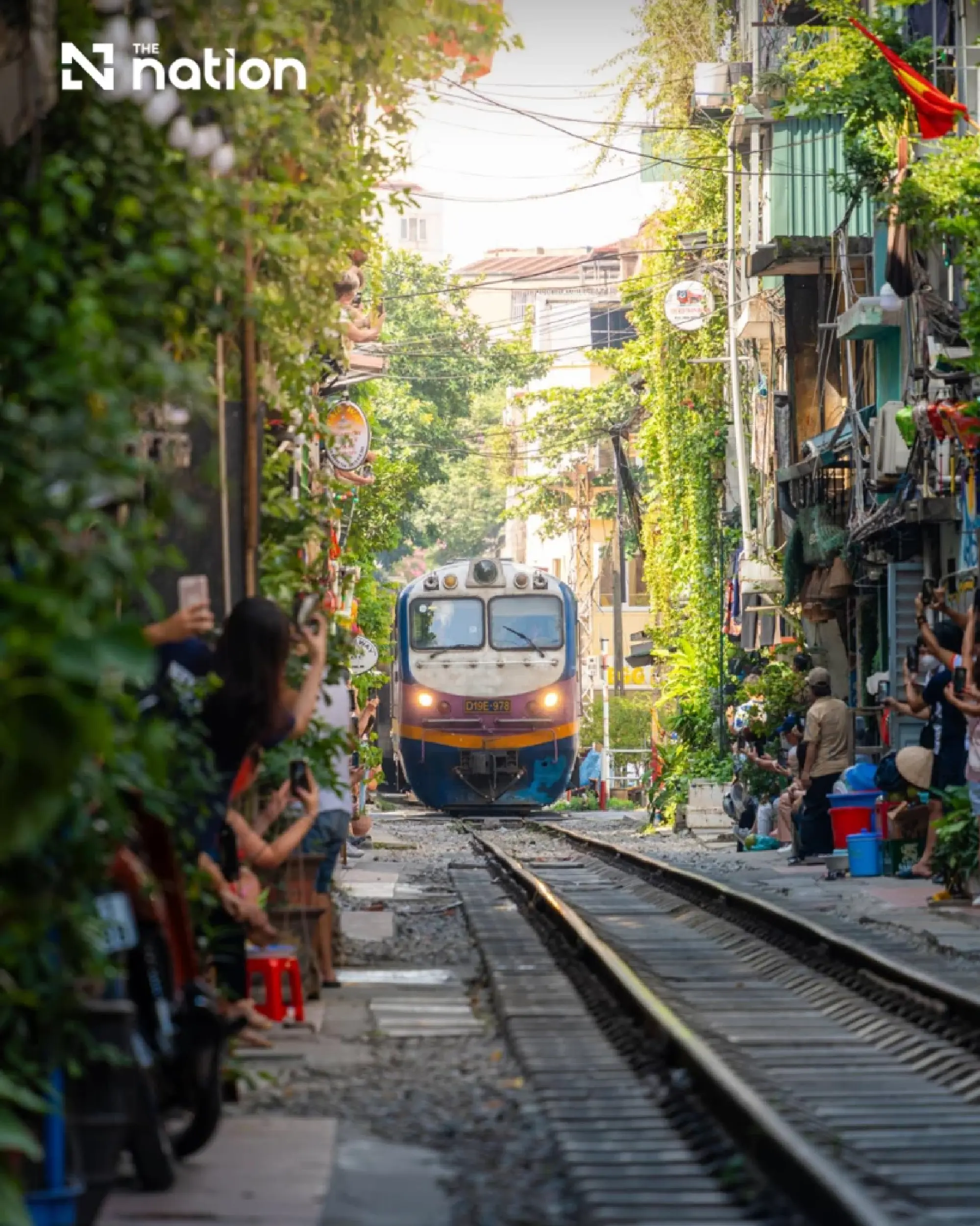
Although mass tourism can generate huge revenue, it may also bring problems such as overcrowded tourist cities, higher living costs, environmental degradation, uneven services or infrastructure expanding faster than it can be managed.
Vietnam is therefore trying to position itself for sustainable growth, rather than only rapid short-term expansion.
The lesson from Thailand is particularly interesting.
Thailand has long been a tourism powerhouse in the region, but after COVID-19, its tourism industry has faced several challenges, including an incomplete recovery in Chinese arrivals, safety concerns, perceptions linked to crime and debate over attracting quality tourists rather than focusing on quantity.
Vietnam, therefore, sees both opportunities and risks from the path Thailand has already taken.
Even so, Vietnam’s rapid growth also carries risks.
If too many hotels, airports and tourism cities are developed, but tourist numbers fall in the future, Vietnam could face excess infrastructure or a large number of unused rooms, similar to some tourism areas that previously grew too quickly.
The key challenge for Vietnam, therefore, is not only attracting more tourists, but also balancing “growth” with “quality”.
If Vietnam can improve services, distribute visitors to secondary cities, control overdevelopment and create experiences that encourage tourists to return, the country could genuinely rise to become one of Asia’s major tourism hubs.
In the broader picture, Vietnam’s strong momentum is not only good news for Vietnam, but also a warning signal for Thailand that tourism competition in ASEAN is intensifying.
Countries that were once leaders can no longer stand still, as travellers now have more choices and are ready to switch destinations quickly if another country offers better value, safety, ease of travel and a more memorable experience.
Vietnam today is therefore both a “rising star” and a “lesson” for the region.
It is a rising star using its natural attractions, culture and more open travel policies to attract tourists from around the world.
At the same time, it is a lesson that good tourism should not be measured only by arrival numbers, but also by quality, revenue, sustainability and the impact on local communities.
Source: Fortune
