
US Missile Strikes Escalated Against Iran as Oil Prices Soar Above $100
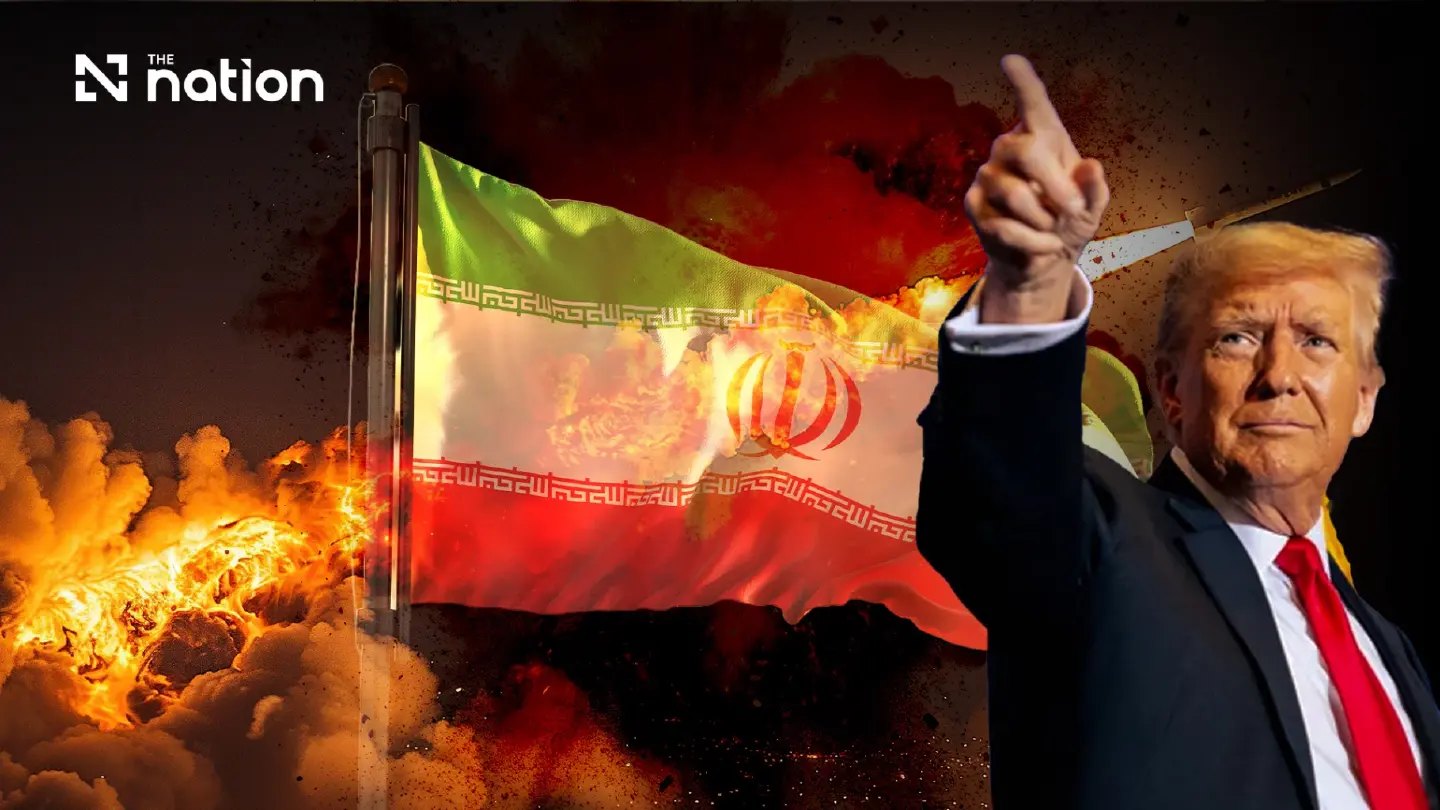


US strikes hit Iranian targets for a 13th night while Tehran retaliates against Gulf bases, sparking global economic turmoil and shipping diversions
- The U.S. has conducted sustained missile strikes against Iranian targets for 13 consecutive nights, prompting retaliatory attacks from Iran on American bases in the Gulf.
- This military escalation has sparked global economic turmoil, disrupting energy markets and causing crude oil prices to surge above $100 per barrel.
- The conflict has severely disrupted global shipping, with attacks on oil tankers and a near-shutdown of traffic through the strategic Strait of Hormuz contributing to the price spike.
- President Trump has threatened to intensify the attacks on Iran's infrastructure while simultaneously signaling a willingness to pursue diplomatic negotiations.
US strikes hit Iranian targets for a 13th night while Tehran retaliates against Gulf bases, sparking global economic turmoil and shipping diversions.
The United States has launched a sustained barrage of missile strikes against targets across Iran, prompting retaliatory bombardment of American bases in neighbouring Arab states and driving global crude oil prices above $100 a barrel.
US President Donald Trump threatened to intensify military action, warning that Washington is "locked and loaded" to target Iranian energy infrastructure, key bridges, and nuclear sites. However, he simultaneously signalled a willingness to pursue diplomatic negotiations to resolve the crisis, stating that a "smarter strategy is to make a deal".
According to a report by Reuters, the renewed hostilities follow the breakdown of a temporary ceasefire two weeks ago. US forces have now conducted airstrikes for 13 consecutive nights, targeting the Islamic Revolutionary Guard Corps (IRGC) Navy headquarters near the Caspian Sea and the port of Bandar Anzali. Further strikes in Ahvaz left four dead and five injured.
Iranian Retaliation and Regional Escalation
Tehran’s forces responded by striking American installations across the Gulf region, targeting military camps and ammunition depots in Kuwait, 5th Fleet observation posts in Bahrain, airbases in Jordan, and Patriot air defence systems in Iraq. The IRGC warned civilians in Gulf states that US forces might utilise civilian infrastructure for command operations.
Iran's Health Ministry reported 59 deaths and 666 injuries since clashes resumed in June, with military commanders vowing to avenge every Iranian life lost with the death of a US soldier. The US Department of Defense confirmed 18 American fatalities and between 100 and 500 injuries.
Economic Turmoil and Global Shipping Disruptions
The escalation has severely disrupted global energy markets and supply chains. In the Red Sea, Houthi rebels in Yemen imposed a naval blockade on Saudi Arabia and attacked two Saudi oil tankers.
The action forced Riyadh to divert millions of barrels of oil per day through pipelines to avoid the Iranian-blocked Strait of Hormuz, while a Saudi-led coalition launched counter-strikes in Hodeidah.
Oil tanker traffic through the strategic Strait of Hormuz dropped to a single vessel—the lowest level since May. Marine insurance premiums through the southern Red Sea have doubled, forcing many vessels to take the lengthy route around Africa to reach Asia.
Meanwhile, diplomatic efforts continue behind the scenes, with Pakistan attempting to mediate talks between Washington and Tehran with backing from Beijing.
