
Laos ends 55 years on UN list of least developed countries
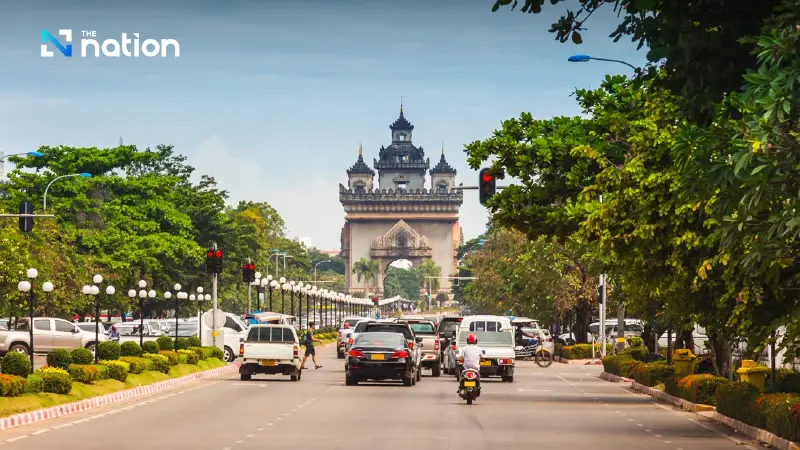


Laos became the first Southeast Asian country to graduate on 24 November, with garment exporters among those most exposed to changes in tariff preferences.
- Laos has officially graduated from the United Nations' list of least developed countries after being on it for 55 years, becoming the first Southeast Asian nation to do so.
- The country achieved this milestone by meeting all three UN graduation criteria, surpassing thresholds for gross national income, human assets (health and education), and economic and environmental resilience.
- As a result of the change in status, Laos will face the phasing out of certain preferential trade terms with partners like the European Union and a reduction in some development aid programs.
- Despite this progress, the nation continues to grapple with economic challenges, including significant public debt and rising living costs for households.
Laos left the United Nations list of least developed countries on 24 November 2026 after 55 years, becoming the first Southeast Asian country and the ninth worldwide to graduate, according to UN Trade and Development.
Laos had been on the list since the UN established it in 1971. The General Assembly approved its graduation in 2021, giving the country five years to prepare for changes to trade preferences and development assistance.

How Laos met the UN criteria
Laos met all three graduation thresholds in the UN’s 2024 review, which assessed national income, health and education, and vulnerability to economic and environmental shocks.
- Gross national income averaged US$2,503 per person in 2020–2022, against a minimum of US$1,306.
- Laos scored 74.8 on the Human Assets Index, which measures health and education, above the minimum of 66.
- Its Economic and Environmental Vulnerability Index score was 29.8, below the ceiling of 32. A lower score indicates less vulnerability.
What changes for exporters and aid programmes
Lao garment makers selling to the European Union are among the exporters most exposed to the change. The government’s Smooth Transition Strategy says they could face higher tariffs and tighter rules on where their products are made once EU preferences for least developed countries expire. Many Lao goods will retain duty-free access to Asian markets under existing trade agreements.
Some grants and technical assistance reserved for least developed countries will also be phased out. The government expects most assistance from the World Bank and UN agencies to continue, although some bilateral lenders could offer less favourable terms.
Debt and living costs weigh on households
The World Bank estimated that Laos’s public and publicly guaranteed debt stood at 87% of GDP in 2025. Interest payments took up 16% of government spending that year, compared with 10% for health and education combined. Higher fuel and transport costs have also squeezed businesses and household purchasing power.
The government has set out 22 actions covering four priorities. It aims to stabilise public finances, expand trade and investment, build workers’ skills and create jobs across a wider range of industries, and prepare for climate change and natural disasters. For Lao households, the longer-term gains will depend on whether those efforts lead to better-paid work and higher living standards.

