
GIZ & BAAC Host Workshop to Deploy Thailand Taxonomy in Agri
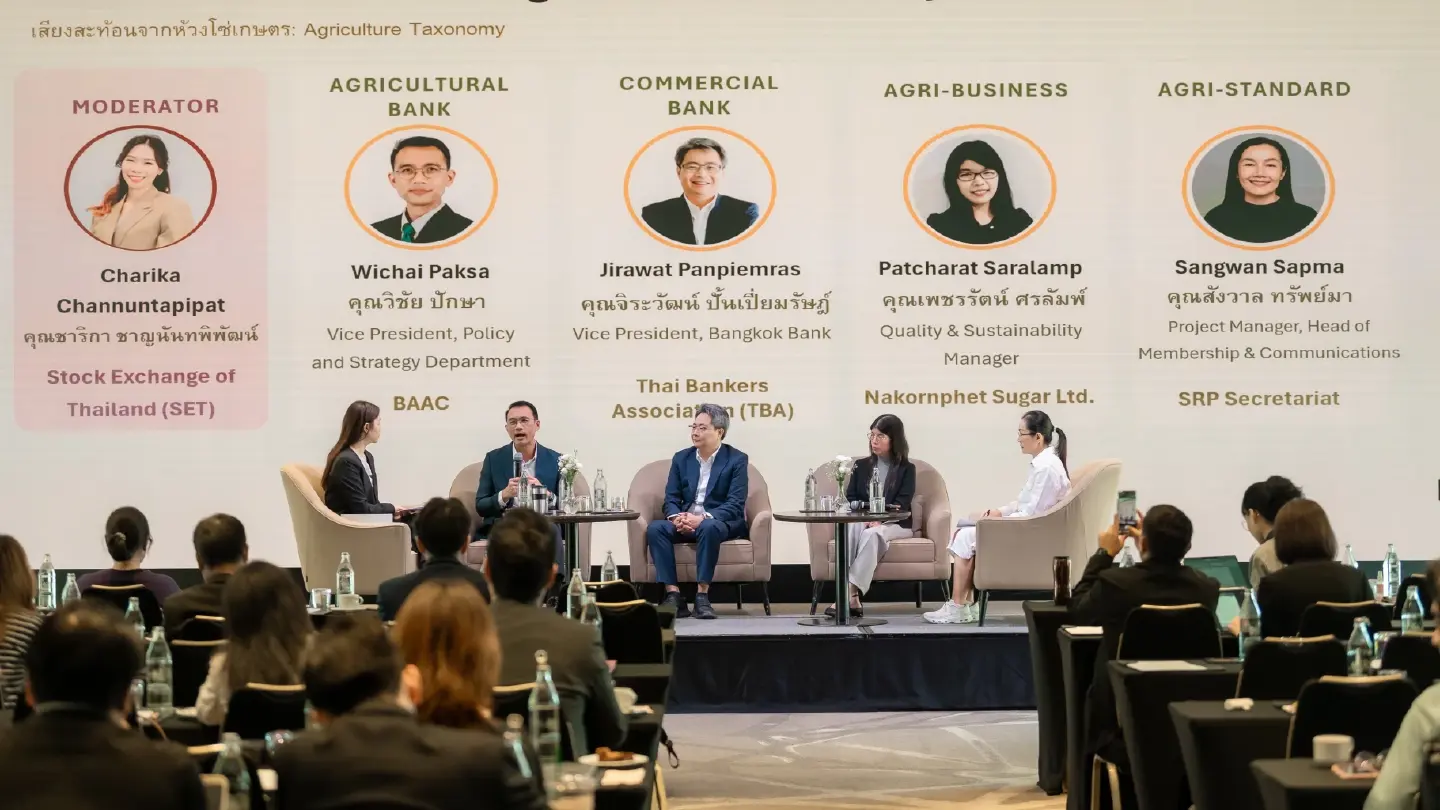


GIZ Thailand and BAAC convened over 70 experts to translate the Thailand Taxonomy Phase II criteria into practical climate finance for the agriculture sector.
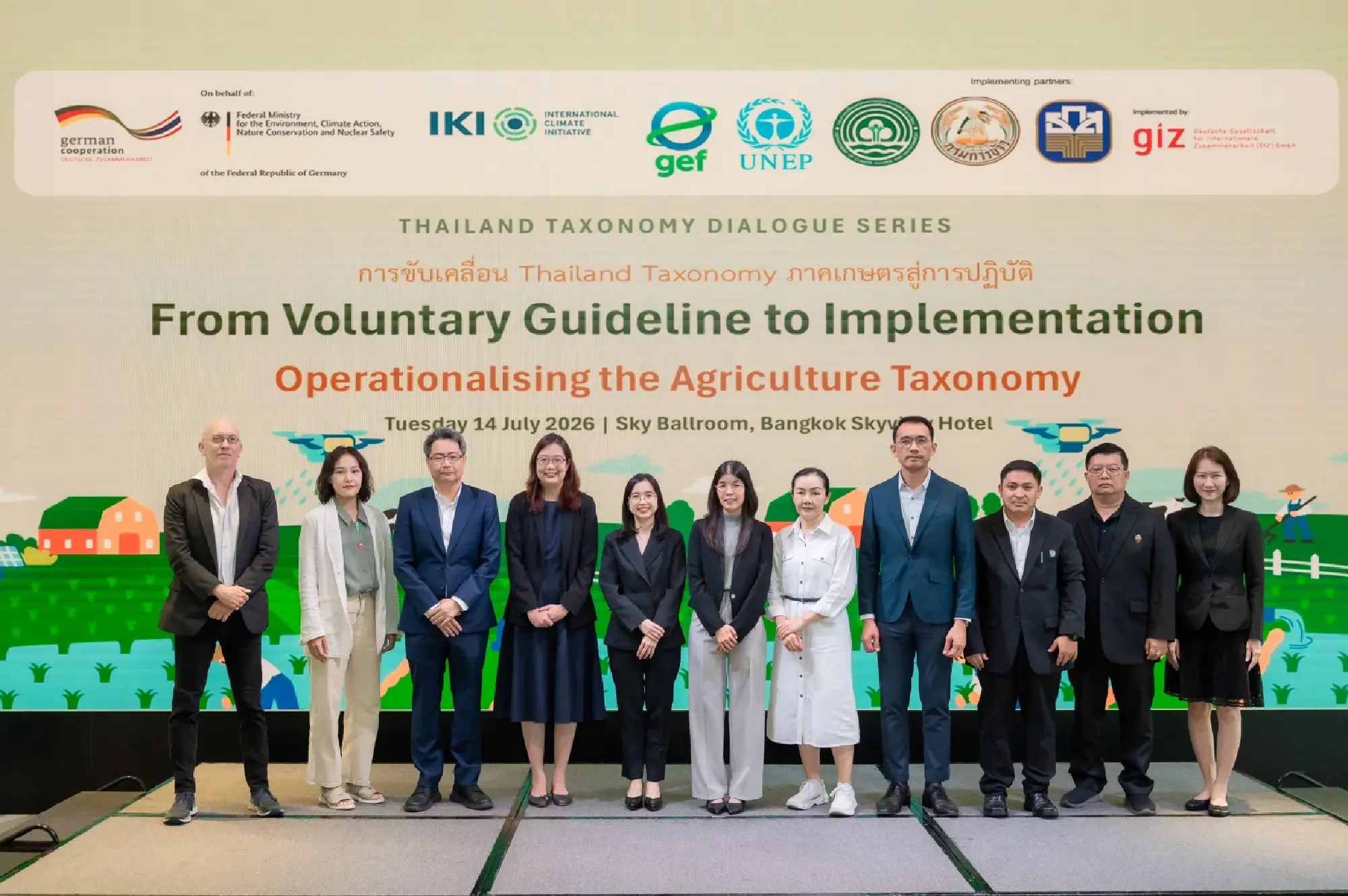
GIZ Thailand and the Bank for Agriculture and Agricultural Cooperatives (BAAC) have co-hosted a strategic dialogue titled ‘From Voluntary Guidelines to Implementation: Operationalising the Agriculture Taxonomy’ to accelerate climate-smart agriculture across the country.
The workshop, held on July 14, 2026, gathered over 70 representatives from regulatory bodies, financial institutions, think tanks, and agri-businesses. The assembly focused on pathways to channel financial resources into concrete climate mitigation and adaptation strategies using the newly expanded national framework.
The Role of Thailand Taxonomy Phase II
The "Thailand Taxonomy" serves as a green classification system that categorizes economic activities using a traffic-light model. This system provides a standardized framework for public, private, and financial sectors to transparently allocate capital to sustainable activities. While Phase I targeted the energy and transport sectors, Phase II expanded to include agriculture, construction & real estate, manufacturing, and waste management. Together, these six sectors account for more than 96% of Thailand's greenhouse gas (GHG) emissions.

Ms. Piyawan Khemthongpradit, Deputy Director of the Sustainable Banking Team at the Bank of Thailand (BOT), underscored the vital role of the financial sector in this transition during her opening remarks:
"The development of the Taxonomy is only the beginning. A challenge facing us is to make these criteria practical, applicable, and capable of driving tangible change. The Thailand Taxonomy will serve as a crucial tool enabling financial institutions to design financial products, perform risk assessments, and provide funding for green activities with transparency and accountability."

Leveraging Existing Standards for Field Practicality
During a panel discussion on field implementation, Ms. Sangwan Sapma, Project Manager and Head of Membership and Communications at the Sustainable Rice Platform (SRP) Secretariat, advocated for building upon systems that are already operational:
"There is already strong alignment between SRP standards and Thailand Agriculture Taxonomy. Existing standards like SRP provide practical tools, credible data, and independent verification that can support the Taxonomy and reduce duplication for farmers. A logical next step would be to pilot the Taxonomy with SRP-verified farms."
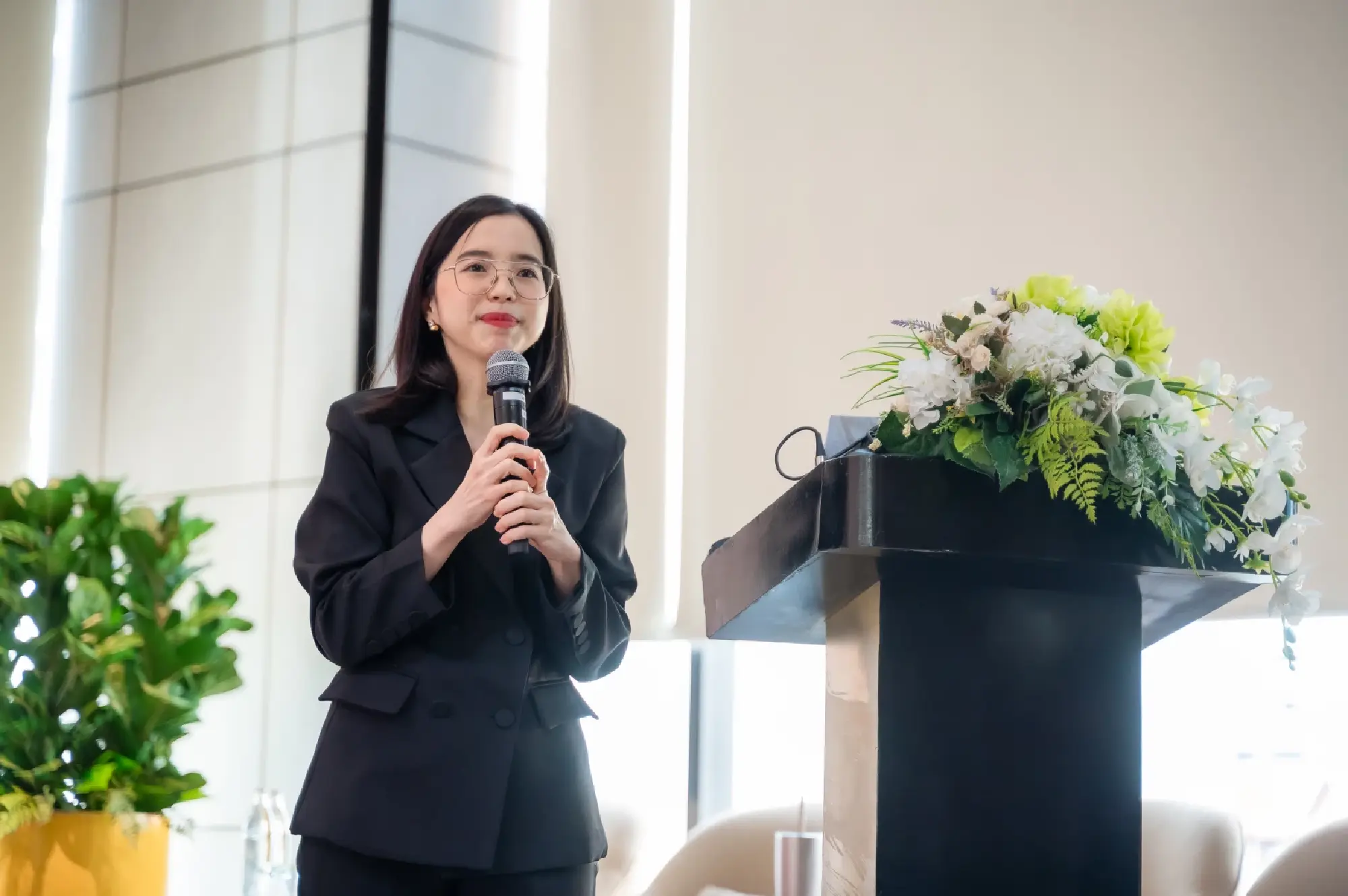
The session also featured technical insights from Ms. Kobrat Chotirueangprasert, Senior Sustainability Assessor at DNV (Thailand) Co., Ltd., who broke down the Thai-ASEAN agricultural criteria and addressed value chain collaboration challenges.
Financial Mobilization and Next Steps
Representing the BAAC, Assistant Senior Vice President of Personal Credit Mr. Poomlert Lertworawit and Office of Foreign Affairs Director Mr. Wachai Paksa outlined the state bank's current green financial products. They highlighted how cross-sector collaborations utilize financial incentives to simultaneously improve environmental outcomes and boost farmers’ incomes.
Moving forward, the recommendations generated during the workshop's interactive afternoon sessions will be consolidated by GIZ Thailand’s Climate, Coastal, and Marine Biodiversity (CCMB) project and the Inclusive Sustainable Rice Landscapes (ISRL) project.
These findings will be shared with relevant regulatory and state agencies to transform the taxonomy's voluntary guidelines into structured, long-term actions across the agricultural supply chain.
