
Thai FDA says medicine supplies are secure for 90 days despite Middle East tensions



Thailand’s Food and Drug Administration says medicine and medical supply stocks remain under control for at least 90 days, with no shortages of critical drugs, though rising logistics and packaging costs are putting pressure on the pharmaceutical industry.
Thailand’s Food and Drug Administration said on Tuesday that the country’s medicine situation remained under control, with reserves sufficient for at least 90 days, as officials moved to reassure the public that the current disruption was still far less severe than the supply shock seen during the Covid-19 pandemic. FDA secretary-general Supatra Boonserm said the countries directly involved in the conflict were not major global production bases for finished drugs or key pharmaceutical ingredients, meaning the immediate pressure was falling more on costs and logistics than on medicine availability itself.
No medicine shortage, FDA says
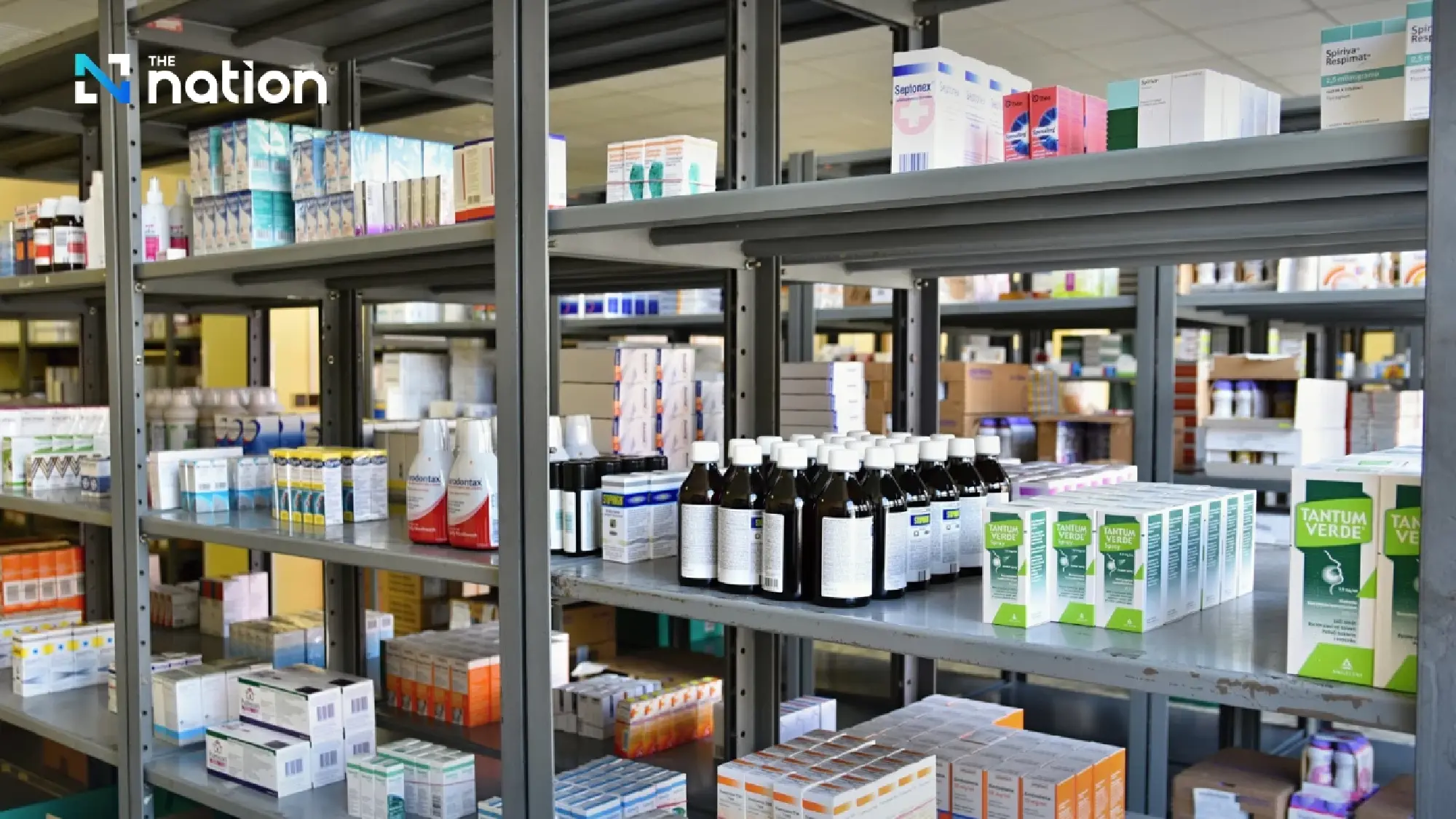
Supatra said the FDA had begun gathering real-time stock data from more than 350 operators since March 6 and had set up a war room to monitor over 60 critical medicines every week. Based on the information collected so far, Thailand still has at least three months of reserves, covering both finished medicines and key raw materials used in domestic production. The agency said there were currently no stock shortages in high-priority groups such as emergency and operating-room drugs, saline and dialysis solutions, cancer treatments, medicines for chronic non-communicable diseases and psychiatric drugs.

She added that even if the situation were to last beyond 90 days, medicines could still be produced as long as the fighting did not spread directly to major manufacturing countries. In that case, the main difficulty would be slower transport routes and longer lead times for orders rather than a direct halt in production.
Costs, not supply, are the main warning sign
While medicine volumes remain stable, the clearest pressure point is now cost. Supatra said operators had reported cost increases of around 10% to 15% already, with the possibility of rising to 20% if the situation drags on. The biggest factors are higher freight charges, fuel prices and cargo insurance costs, all of which are currently being absorbed by businesses.
She also flagged a possible vulnerability in plastic packaging used for saline and dialysis products. Although the fluids themselves remain available, some of the petrochemical inputs used to make plastic containers are linked to the Middle East, prompting major manufacturers to look for alternative raw-material sources.
FDA rolls out four emergency measures
To prevent the situation from worsening, the FDA has prepared four main response measures. These include a fast-track route for approving alternative raw-material sources, flexibility over packaging if bottle shortages emerge, a real-time war room for weekly stock reporting, and coordination with hospitals and clinics to avoid unnecessary stockpiling.
The agency is also preparing to submit information on rising industry costs to the relevant committee, arguing that current benchmark prices may no longer reflect real costs. It is also ready to support proposals for low-interest loans to help manufacturers manage cash flow if pressure continues.
Public urged not to panic-buy
Supatra urged the public not to panic or buy medicines unnecessarily, warning that hoarding could cause products to expire unused and make it harder for patients who genuinely need them to obtain treatment. She also warned that the FDA would coordinate with the Commerce Ministry to act against anyone found stockpiling health products in order to raise prices unfairly.
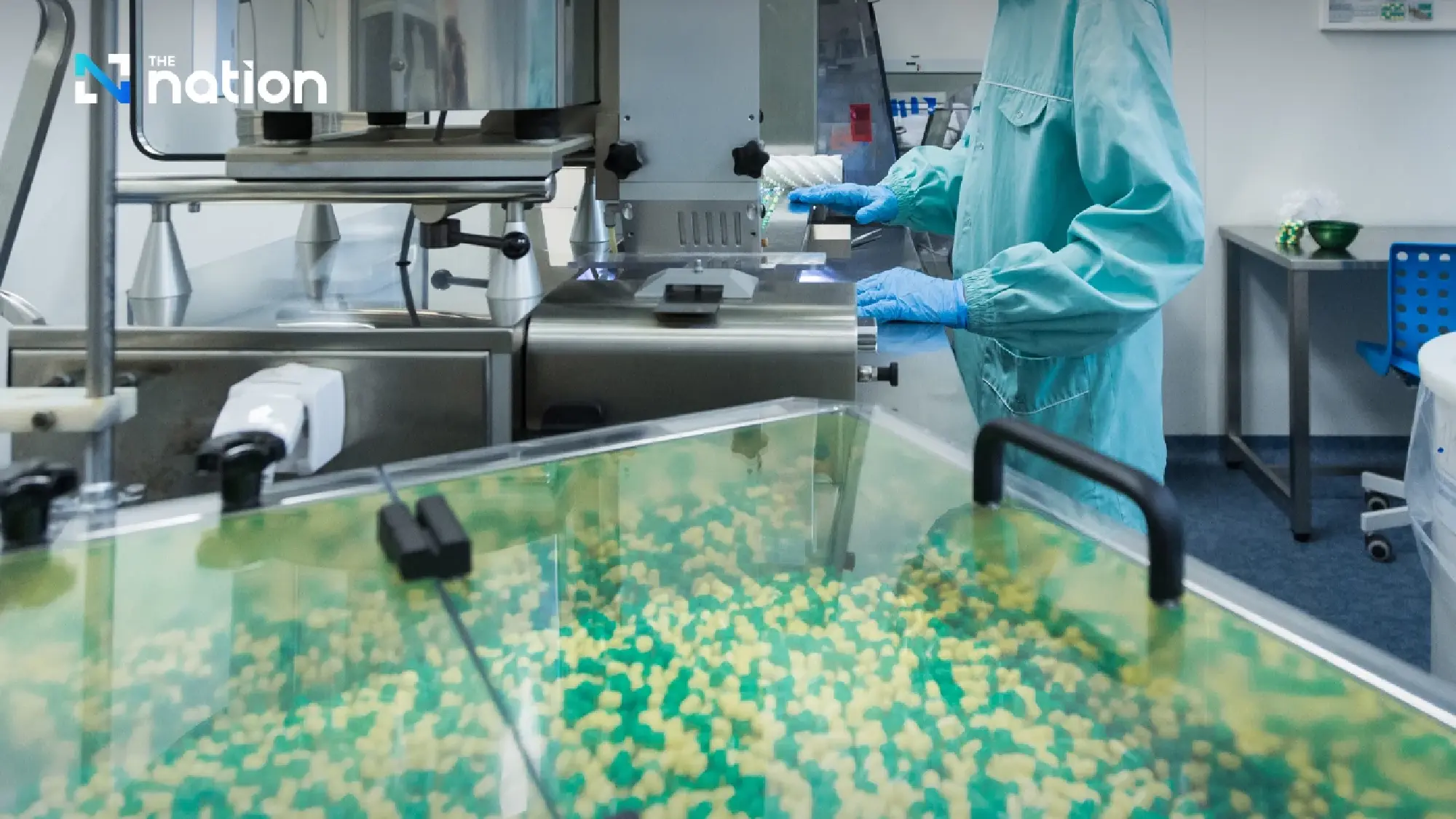
She said the episode should also serve as a wake-up call for Thailand to strengthen long-term medicine security, including promoting local production partnerships, commercialising research and reducing long-term dependence on imports.
