Fed holds rates steady, warns of fallout from Iran war


The Fed kept interest rates unchanged and warned the Iran war could heighten risks to inflation, oil prices and the wider US economic outlook
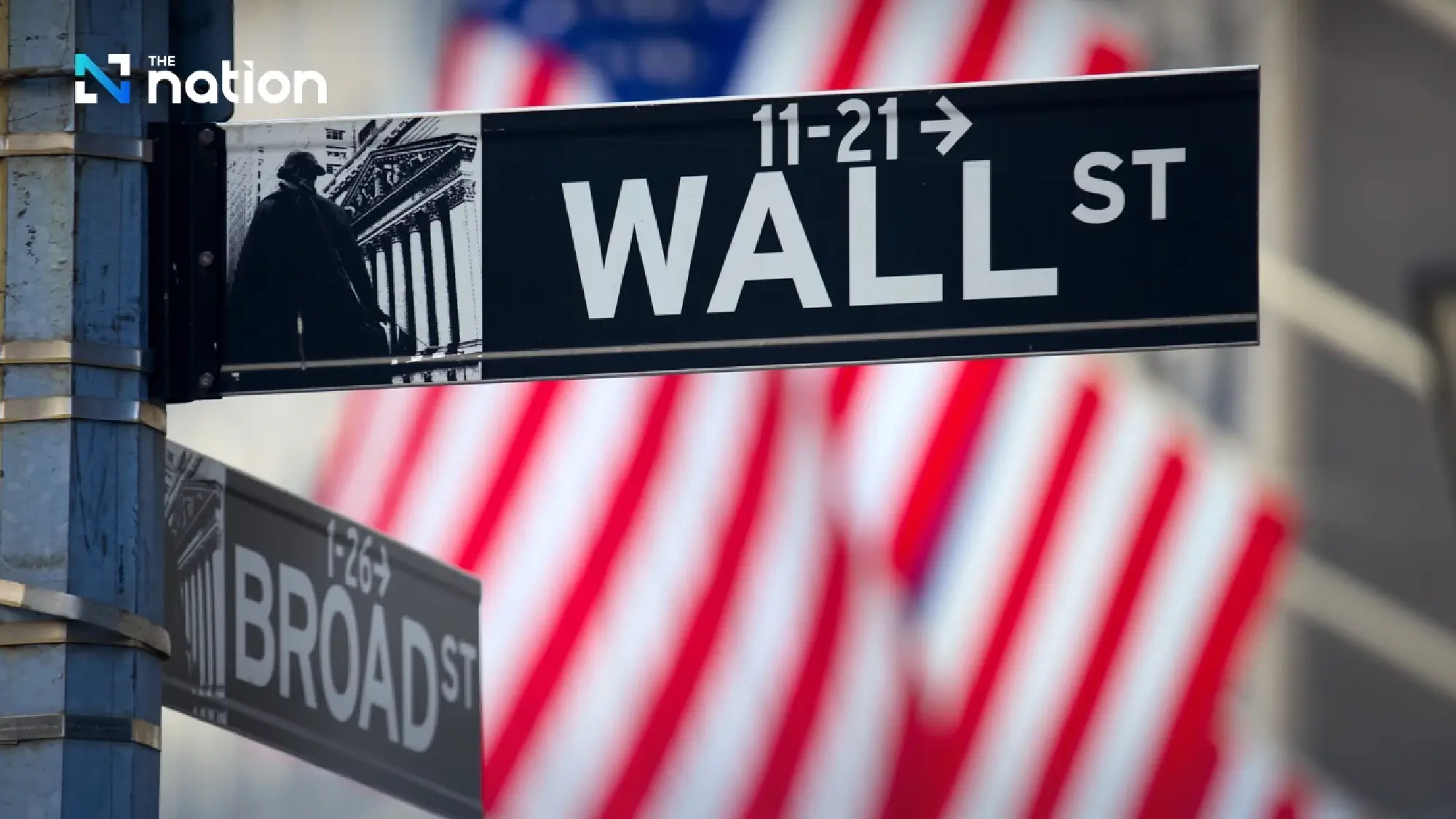
Wall Street ended sharply lower on Wednesday (March 18) after the Federal Reserve kept US interest rates unchanged and projected only one rate cut this year, as policymakers assessed mounting economic risks from surging oil prices and the US-Israeli war with Iran.
Fresh projections from the US central bank showed that the benchmark overnight interest rate would fall by just a quarter of a percentage point by the end of this year, with no indication of when that move might take place.
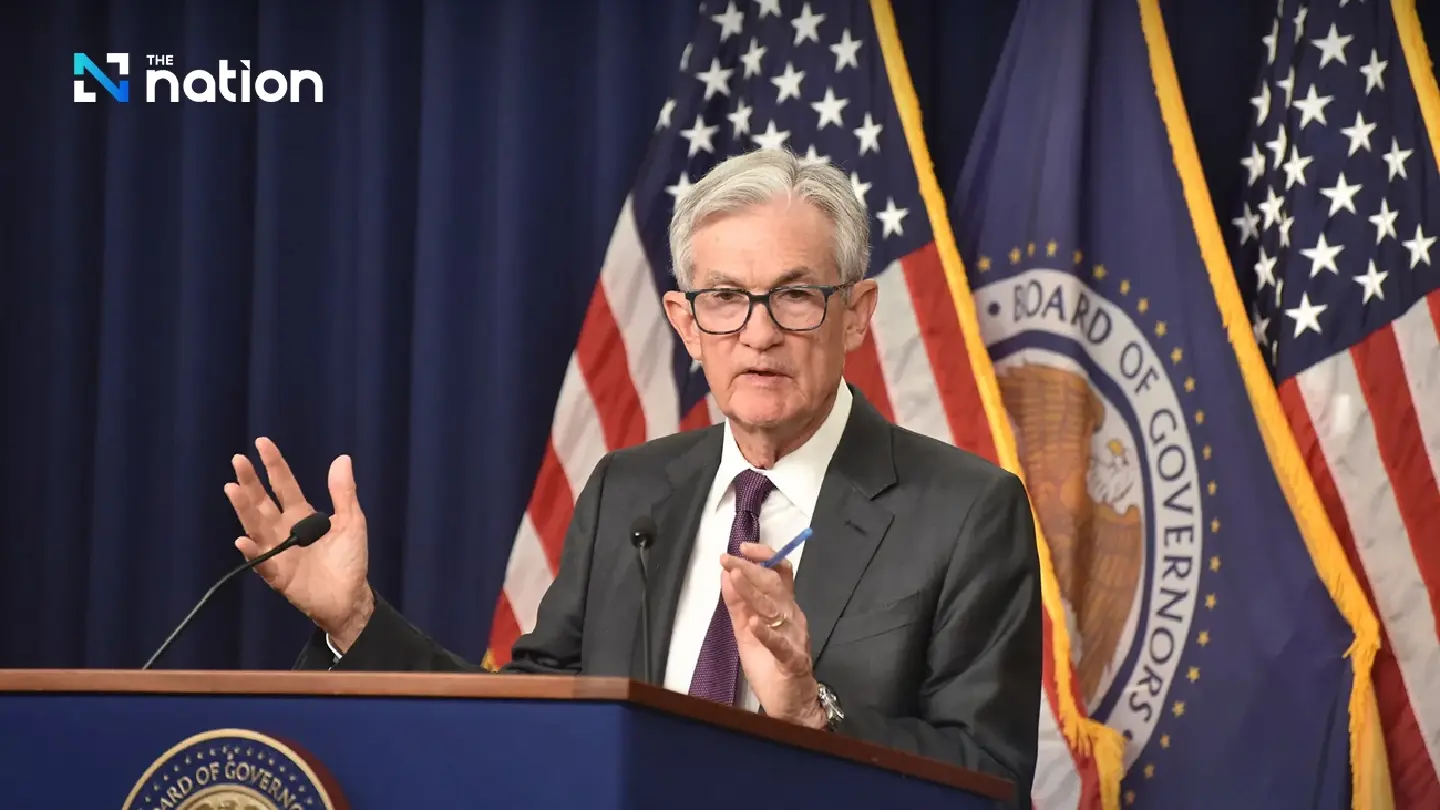
Major stock indexes extended their losses after Federal Reserve Chair Jerome Powell said the war had added further uncertainty to the economic outlook.
Economists had broadly expected the Fed to leave interest rates unchanged.
“The Fed is on hold. With inflation running above target and the economy running above trend, and elevated uncertainty about the path of the Iran war, there is no argument for easing policy,” said Michael Rosen, chief investment officer at Angeles Investments in Santa Monica, California.
“The bigger challenge for the Fed, exacerbated by the war, is balancing its dual mandate of full employment and low, stable inflation. Should the war persist and oil prices remain high, it will cause economic slowing. But easing monetary policy would be a mistake as that would only fuel inflation,” he added.
Earlier, the US Labor Department said the Producer Price Index rose 3.4% year-on-year, above economists’ forecast of 2.9%, with prices at risk of climbing further as the Middle East conflict pushes up shipping and oil costs.
Brent crude extended gains and climbed to near US$110 a barrel after an Iranian news agency reported that some oil industry facilities in South Pars and Asaluyeh had come under attack.

The S&P 500 fell 1.36% to close at 6,624.70 points, its lowest finish in nearly four months. The index is now down about 3% in 2026.
The Nasdaq dropped 1.46% to 22,152.42, while the Dow Jones Industrial Average lost 1.63% to 46,225.15.
All 11 S&P 500 sector indexes ended lower, led by consumer staples, which fell 2.44%, followed by a 2.32% drop in consumer discretionary.
AMD rose 1.6% after agreeing with Samsung Electronics to expand their strategic partnership on memory chip supplies for AI infrastructure. Nvidia slipped 0.8% after securing Beijing’s approval to sell its second-most-powerful artificial intelligence chips in China.
Micron Technology fell 4.3% in extended trading after the memory chipmaker projected quarterly sales above Wall Street expectations and said it was increasing its fiscal 2026 capital expenditure plans.
Apollo Global Management gained 2.1%, rebounding from steep losses the previous week linked to concerns over private credit quality.
Lululemon surged 3.8% after reporting quarterly results. Founder Chip Wilson, who is in a proxy battle with the company, said lead director David Mussafer’s decision to leave the board was “a step in the right direction” and repeated calls for a “substantial” board refresh.
Macy’s jumped 4.7% after the department store chain said it expected a comparatively smaller impact from tariffs in the second half of the year and beat quarterly profit estimates.
Declining stocks outnumbered advancing ones in the S&P 500 by a ratio of 5.2 to one.
The S&P 500 posted 17 new highs and 15 new lows, while the Nasdaq recorded 42 new highs and 218 new lows.
Trading volume on US exchanges was relatively light, with 19.4 billion shares changing hands, compared with an average of 19.8 billion over the previous 20 sessions.