
Fuel crunch hits emergency medical vehicles in 39 provinces, Kalasin worst hit
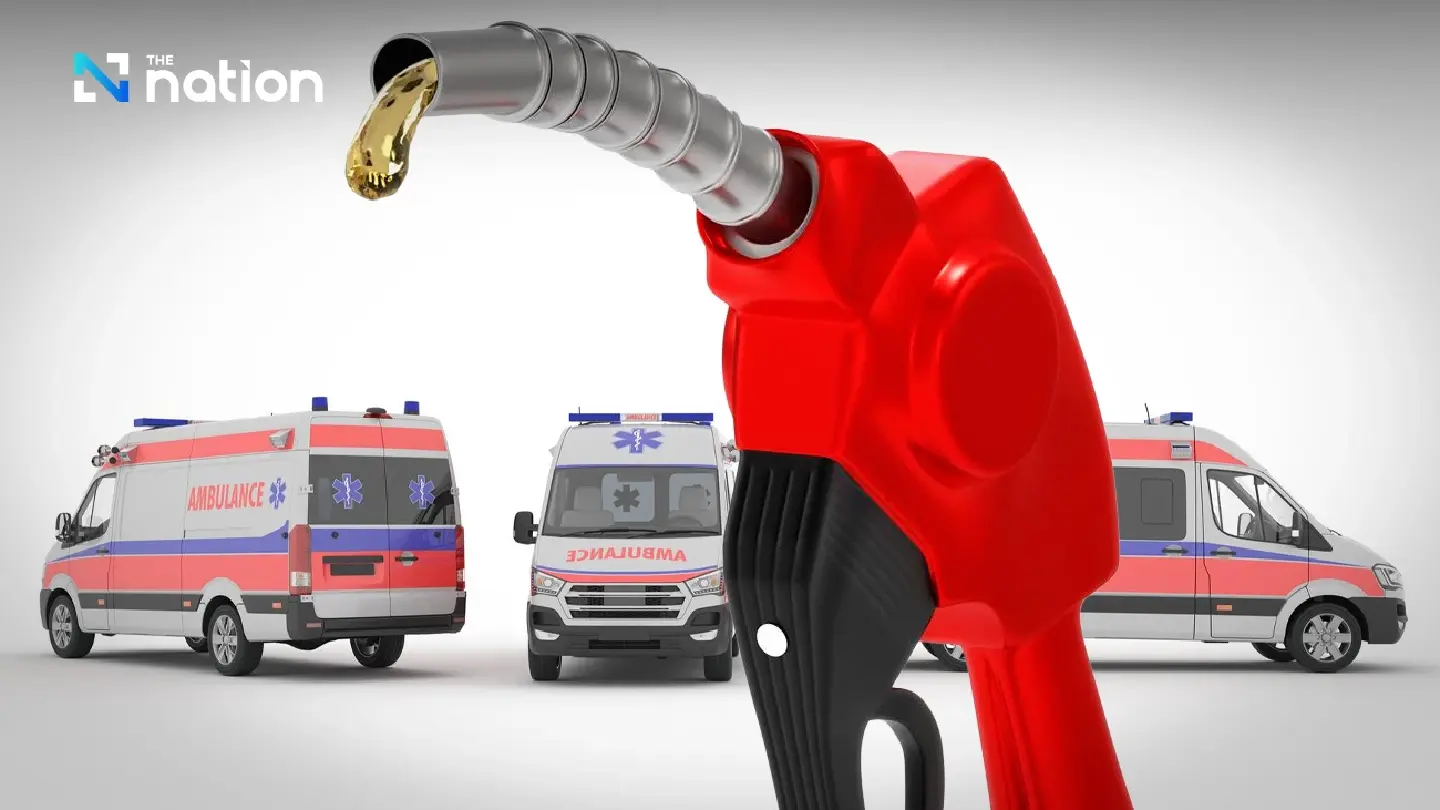


Public Health Minister Pattana Promphat says ambulances and rescue vehicles must be prioritised as fuel supplies tighten. NIEM reports varying impact levels nationwide, with Kalasin worst affected, and urges petrol stations to give emergency vehicles priority at the pump.
Public Health Minister Pattana Promphat said on Thursday that the fuel crisis has affected emergency medical service vehicles, prompting the Ministry of Public Health to instruct directors of all hospitals and provincial public health offices to address problems and monitor the situation closely. He said conditions vary by location, but the government has discussed that ambulances and rescue vehicles must be given the highest priority, with reserves set aside to ensure they remain ready to save lives.
For fuel management in hospitals under the ministry, officials have been told to maintain sufficient reserves for at least one to two days of operations, while stressing that facilities should not stockpile beyond necessity. Hospitals are also instructed to coordinate with fuel stations and regular business partners to jointly monitor fuel stocks and ensure enough supply for ambulances to refuel.
Pichet Nongchang, Secretary-General of the National Institute for Emergency Medicine (NIEM), said fuel shortages in many areas have been driven by public anxiety and panic over potential shortages and expectations of higher prices. International conflict and war have disrupted normal fuel transport routes, pushing demand above typical daily levels, while many stations were not prepared. As fuel deliveries nationwide take time, supply has not kept up with public demand.
“This has meant fuel has not been sufficient to meet demand over the past two to three days. The government maintains there is enough fuel, but it is still in transit to service stations. The situation is expected to improve soon. It is also undeniable that this situation affects emergency medical operations, especially emergency patient transport by ambulance services,” Pichet said.
Pichet said daily assessments as of March 18, 2026 classify impact levels from Level 0 to Level 4, from mild to severe:
Level 0: No impact (31 provinces)
Krabi, Kanchanaburi, Khon Kaen, Chachoengsao, Trang, Trat, Nakhon Nayok, Nakhon Ratchasima, Nakhon Si Thammarat, Nonthaburi, Narathiwat, Prachuap Khiri Khan, Phra Nakhon Si Ayutthaya, Phang Nga, Phatthalung, Phuket, Mukdahan, Maha Sarakham, Yasothon, Ranong, Ratchaburi, Roi Et, Loei, Lopburi, Si Sa Ket, Samut Prakan, Samut Songkhram, Sa Kaeo, Surat Thani, Ang Thong, and Phrae.
Level 1: Minor impact, manageable (22 provinces)
Kamphaeng Phet, Chanthaburi, Chainat, Chonburi, Chumphon, Chiang Rai, Chiang Mai, Nakhon Phanom, Nakhon Sawan, Phayao, Phichit, Phitsanulok, Phetchaburi, Rayong, Lampang, Satun, Samut Sakhon, Singburi, Sukhothai, Suphanburi, Amnat Charoen, and Uttaradit.
Level 2: Moderate impact; some units face constraints and need additional resource management (14 provinces)
Nakhon Pathom, Nan, Buri Ram, Pathum Thani, Prachinburi, Phetchabun, Lamphun, Sakon Nakhon, Saraburi, Surin, Nong Khai, Udon Thani, Uthai Thani, and Ubon Ratchathani.
Level 3: High impact; affects services in many areas but operations continue (2 provinces)
Songkhla and Nong Bua Lamphu — units must travel to other areas to obtain fuel, increasing response times.
Level 4: Critical; affects services in many areas and some units cannot operate (1 province)
Kalasin — at Kut Wa subdistrict municipality and Na Makhuuea Subdistrict Administrative Organisation (SAO).
Pichet added that up to now, most operational units have not been severely affected. The three provinces seeing the greatest operational impact are Songkhla and Nong Bua Lamphu, where missions have been restricted because stations in the area have closed.
The most severely affected province is Kalasin, where stations have restricted refuelling. As a result, the units of Kut Wa subdistrict municipality and Na Makhuuea SAO have been unable to operate and must rely on nearby units to transport emergency patients.
NIEM has been publicising a request via its Facebook channels since March 14, asking petrol stations nationwide to prioritise refuelling for ambulances so they have enough fuel to respond to emergencies and give critically ill patients a chance to survive.
NIEM has also urgently coordinated with the Energy Ministry and fuel providers nationwide to seek cooperation in supplying or reserving fuel for emergency medical vehicles.
In addition, it has coordinated through provincial governors and provincial energy offices across all 77 provinces, requesting that service points or petrol stations set aside reserves—at least 100 litres per area—for emergency medical vehicles. Petrol stations near hospitals, or at the subdistrict level, were asked to reserve at least 50-100 litres specifically for ambulances for urgent emergencies.
“Across the country there are 14,213 emergency vehicles. Average fuel use is about 5 litres per vehicle per day if transporting one patient case per vehicle per day, with an average distance of 30 kilometres per case. That means total daily fuel demand is about 71,065 litres per day,” Pichet said.
