
AI must support Thai students’ learning, not replace it, educators warn
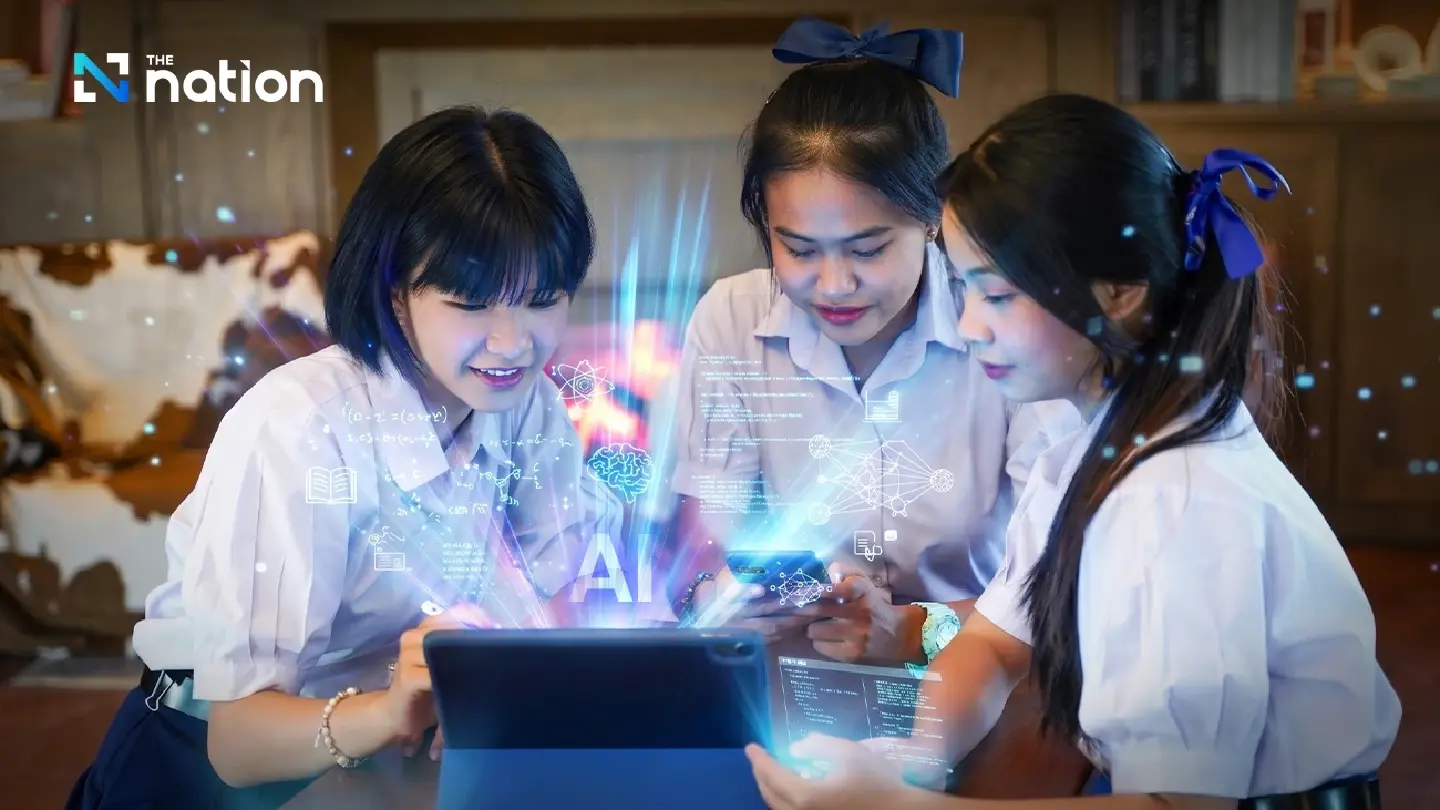


Educators and students urge Thailand to make AI a responsible learning tool, with clearer guardrails, teacher training and stronger ethical judgement.
- Educators and students warn that AI should be a tool to enhance learning, not a shortcut that allows students to bypass the essential process of critical thinking, questioning, and learning from mistakes.
- The consensus is to focus on developing strong AI literacy and ethical judgment in students and teachers, which is considered more effective than outright bans on the technology.
- Experts suggest that the role of teachers should evolve from delivering information to facilitating learning, guiding students on responsible AI use while maintaining assessments that test genuine human understanding.
- Without clear guardrails, AI poses risks of weakening foundational skills, encouraging plagiarism, and deepening educational inequality by providing instant answers without ensuring comprehension.
Artificial intelligence is becoming an unavoidable part of education, but Thailand must ensure it strengthens learning rather than allowing students to bypass the process of thinking, questioning and learning from mistakes, experts and students told The Nation Visionary Club’s roundtable.
At the roundtable, titled “Beyond the Classroom: Thai Education Beyond Borders”, on Monday (June 8), speakers discussed how Thailand’s education system should respond to AI, what rules or practices were needed, and which skills students must develop to thrive in the digital era.
They agreed that AI could widen access to knowledge, support teachers, personalise learning and help students build new skills. However, they also cautioned that without clear guardrails, stronger AI literacy and ethical judgement, the technology could weaken critical thinking, encourage plagiarism and deepen educational inequality.
AI as a tool, not a shortcut
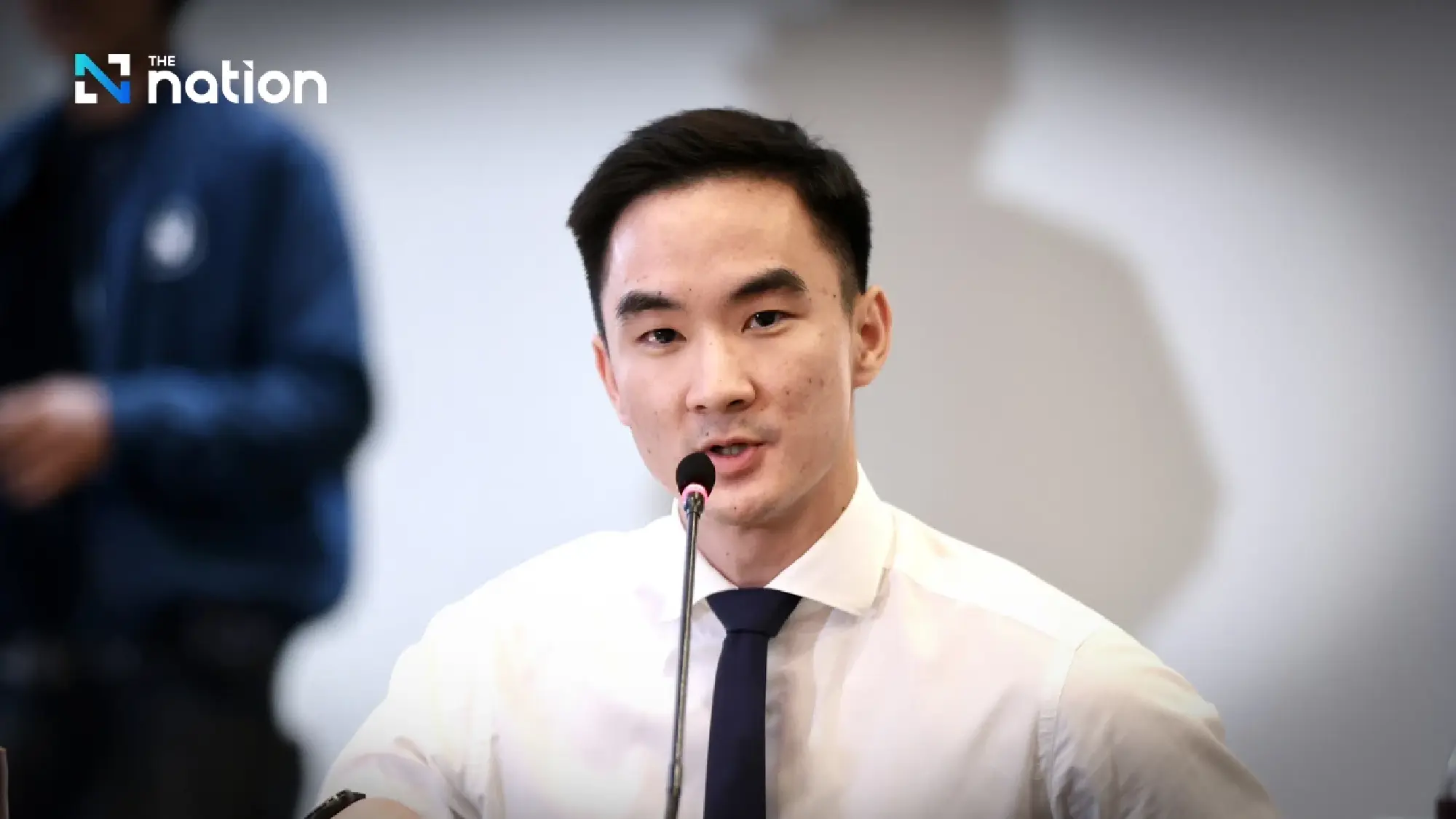
Krai Satarak, a student at Chulalongkorn University, described himself as part of a generation that grew up at the crossroads between studying without AI and learning with it.
He argued that genuine learning often begins with struggle. Students try, make mistakes, face difficulty and eventually understand the lesson. AI, however, can provide instant answers and remove that struggle.
“AI is a great tool. We can’t deny the wave of AI,” he noted, adding that every child would eventually use the technology. The key, he suggested, was to equip students with ethical and academic judgement so they could assess whether AI-generated answers were accurate and useful.
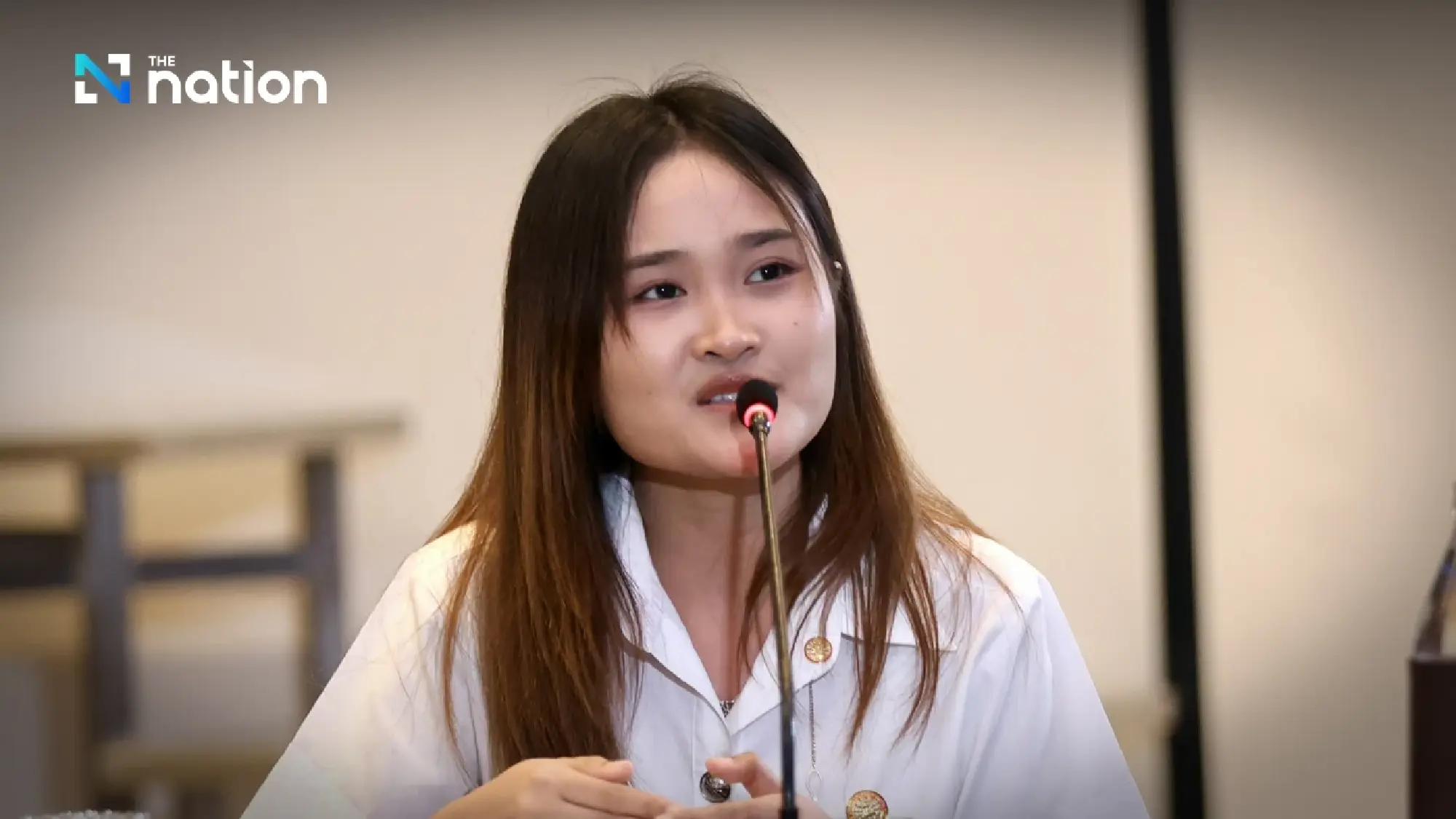
Parinyasiri Yohuang, a student at Thammasat University, shared a similar concern. She first encountered AI in Matthayom 5 after years of studying through books and self-research. While AI helped her study, she noticed that some classmates gradually began allowing it to “learn for them”.
She stressed that AI should support learning, not take over the work of learning itself. Students also need clear guidance from teachers on when AI is allowed, when it is not, and how it should be used responsibly.
Parinyasiri added that outright bans were often ineffective, as some students still used AI secretly. Teachers could sometimes detect this from the language used in assignments, especially when unfamiliar words suddenly appeared in students’ work.
Ethics and judgement at the centre
Assoc Prof Dr Suriyadeo Tripathi, director of the Centre for Morality Promotion, argued that AI could no longer be rejected because the world had already become deeply digital.
He viewed AI as a major opportunity for education if used properly, but warned that schools should not focus only on outcome-based education. Thailand, he suggested, should also place greater emphasis on value-based education, the learning process and synthesis.
If students use AI well, it can support their learning. If they use it poorly, AI may end up doing the work for them while their own understanding remains weak.
Suriyadeo also highlighted early childhood development, noting that children in their earliest years should continue to learn mainly through play, sensory experience and human interaction. AI may be used as support, but it should not replace child-centred learning.
He added that ethics and plagiarism must be treated as central issues in AI education, not as afterthoughts.
For teachers, the AI revolution could become an opportunity to shift their role from delivering information to serving as facilitators and learning guides. Teachers should help students use AI as part of the learning process while ensuring that they develop both intelligence and ethics.
Guardrails must begin with literacy
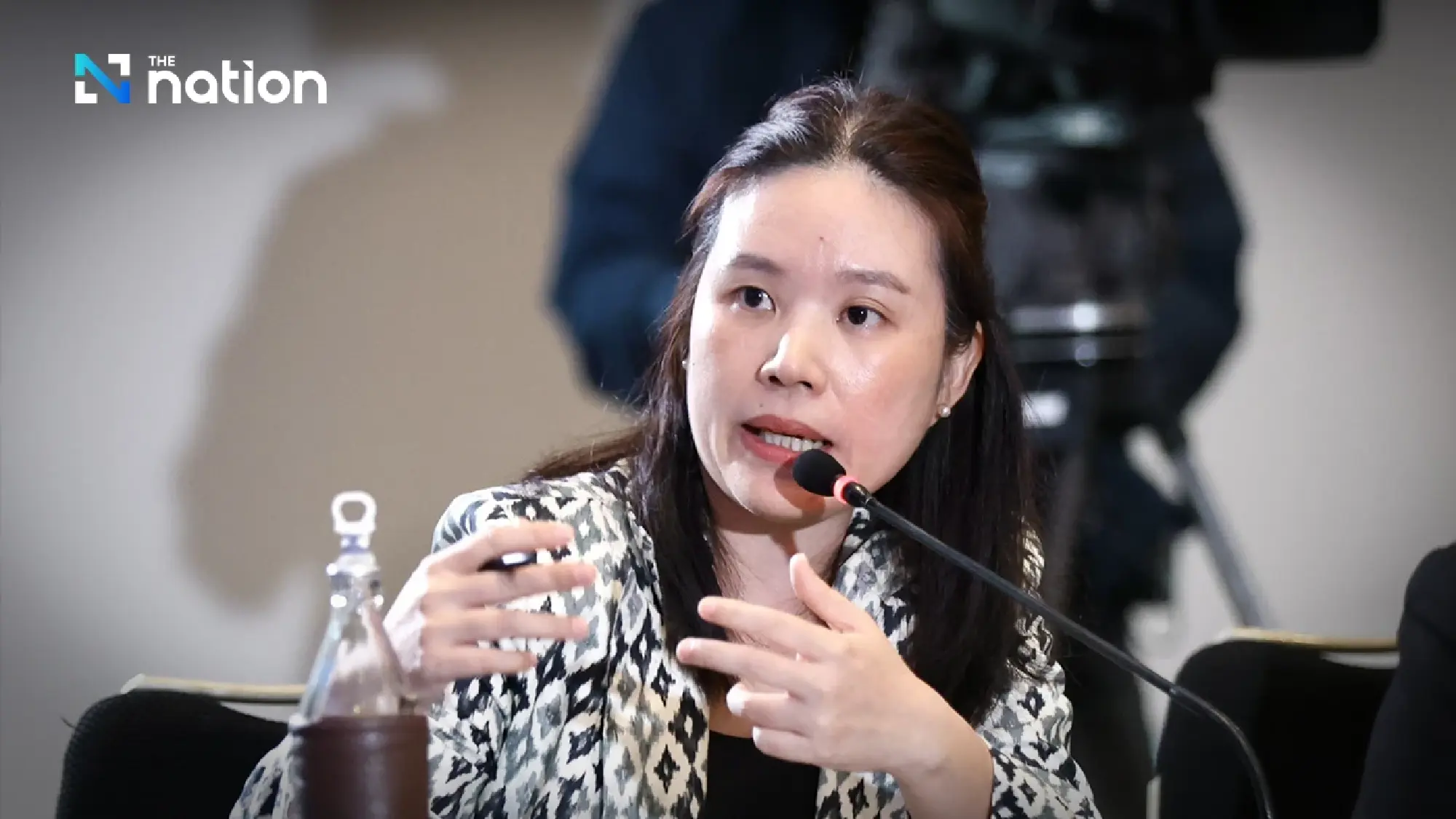
Dr Jomhadhyasnidh Bhongsatiern, head of the National Education Policy and Planning Division at the Office of the Education Council, called for AI guardrails but argued that literacy was more important than rules alone.
Rules can be broken, she cautioned, but teachers and students with strong AI literacy are better equipped to understand how the technology should be used.
She noted that the Office of the Education Council has a policy to reduce screen time for early childhood learners, while also encouraging stronger relationships among children, parents, schools and teachers.
The aim is not simply to tell children to stop using phones, but to help families and schools learn together how to manage digital devices, social media and AI.
Jomhadhyasnidh also described AI as a potential equaliser for education if developed in the right way. AI-powered learning platforms could support students in areas facing teacher shortages by adapting content to each learner’s needs.
However, she drew a distinction between such platforms and today’s AI chatbots, warning that students may lack the critical thinking needed to detect hallucinations, poor answers or misleading information. For that reason, the learning process remains more important than simply receiving the right answer.
“The learning process is very important for our children, our students and even for us, because when we talk with AI, we have to remain curious every time,” she said.
Responsible use, not restriction
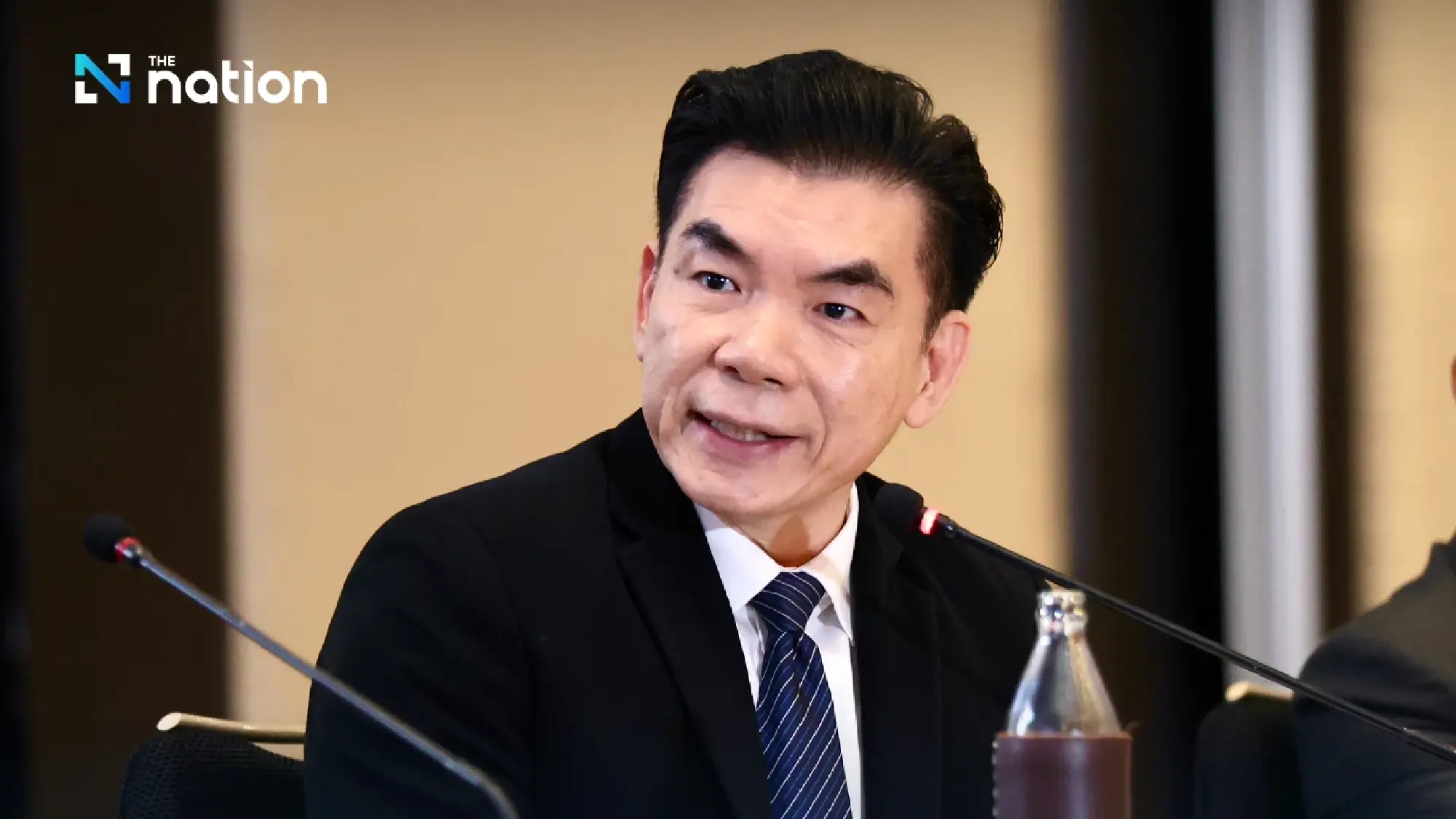
Dr Apitep Saekow, acting president of Stamford International University, argued that the question for educators was no longer whether AI should be allowed in education. The more important issue was how it could be used responsibly.
He noted that AI tools are becoming increasingly powerful and can now produce work in minutes that previously took people months to complete. For universities, this raises a major challenge: how to ensure graduates remain distinctive when many people can access powerful tools through paid subscriptions.
Apitep pointed to human networks, communication, critical thinking and soft skills as areas where students still need to develop beyond AI. He stressed that even when people use several AI tools, the final decision must still rest with humans.
“We have to live with AI for sure, but as educators we have to make sure we can increase human intelligence so that our students or graduates are more capable than AI,” he said.
Hartanto Gunawan, director of the Community Learning Centre, added that students need wisdom to use technology properly. In his view, education should help children understand cause and effect, consequences and self-control so that they can use AI wisely rather than becoming attached to it.
“If the mind does not know how to let go, it holds on and keeps playing, keeps using AI, and there will be no limit. Even if you issue the best law, the mind will find a way to sneak out and hide,” he said.
“Educating and developing the mind, and installing this law in children’s minds, is important now so that they know how to use it wisely and live their lives wisely.”
Teachers must keep up with students
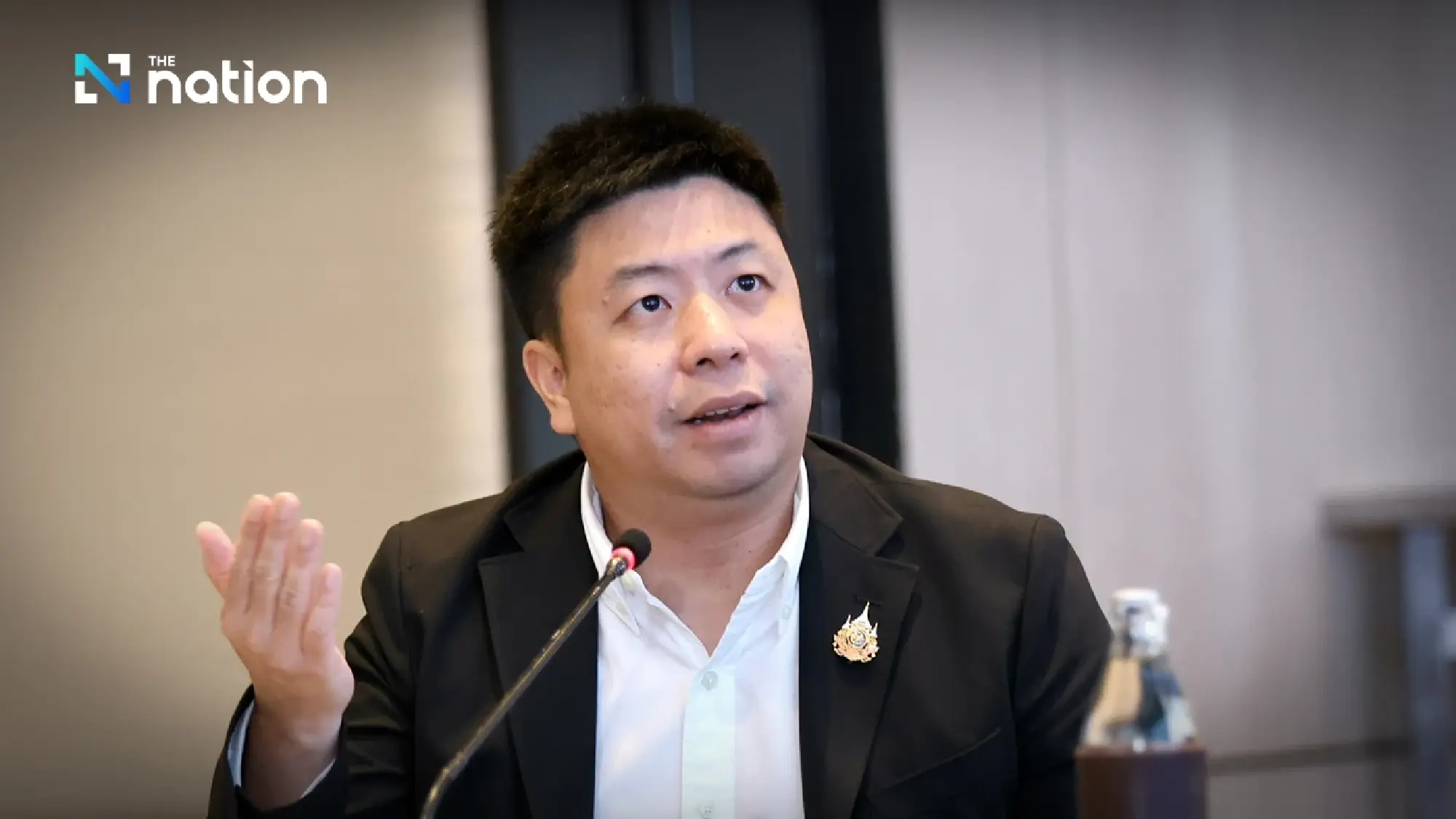
Assoc Prof Dr Komsan Maleesee, president of King Mongkut’s Institute of Technology Ladkrabang, noted that AI can support both students and teachers by helping them learn new things, integrate data and analyse complex issues.
He observed that students may already be more comfortable with AI than many teachers, creating a new challenge for universities. Teachers therefore need to develop more advanced AI skills so they can guide students effectively and speak the same digital language.
Komsan argued that AI should be used to support collaboration between teachers and students, particularly in analysis, innovation and knowledge integration.
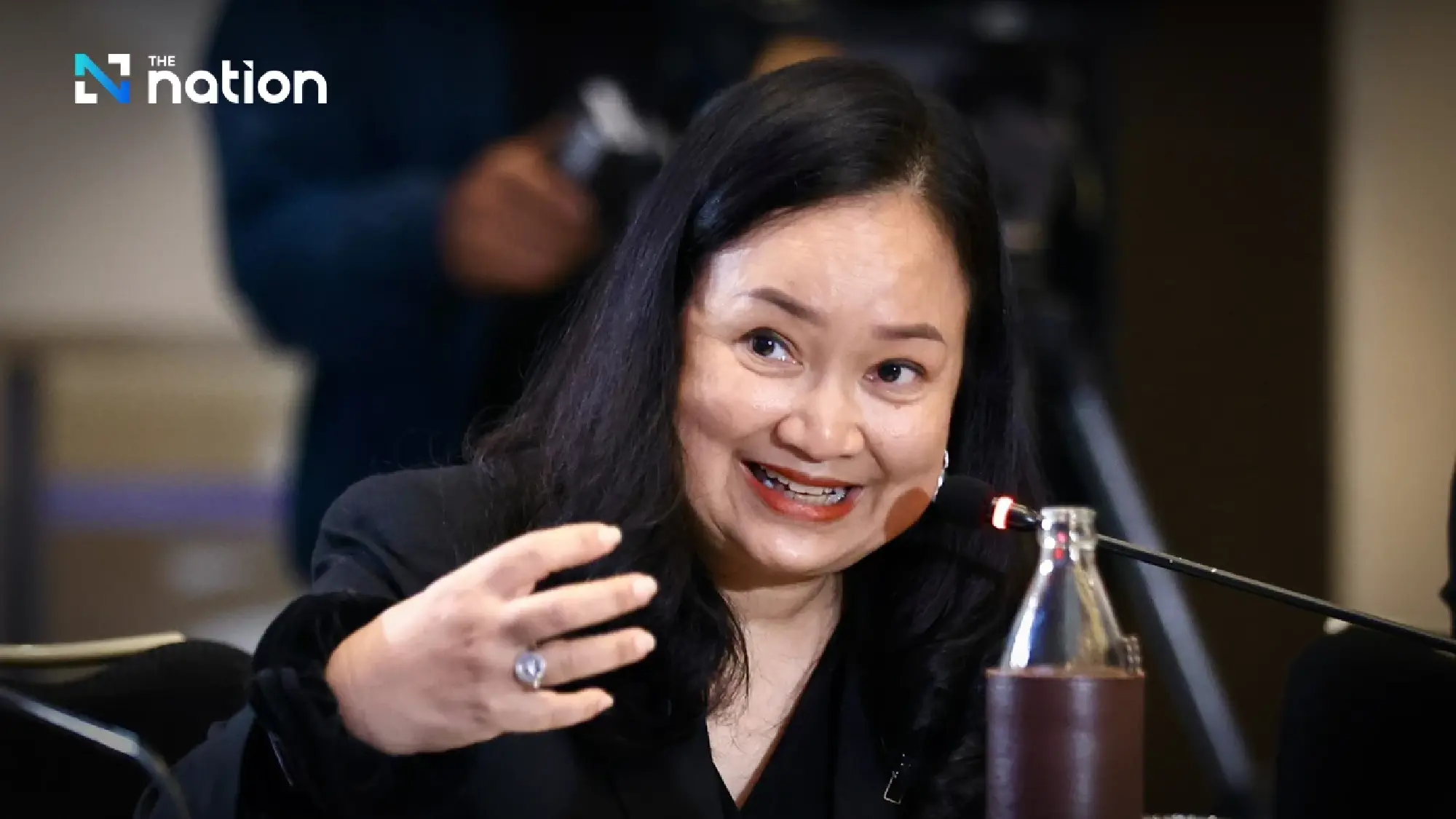
Prof Dr Parichart Sthapitanonda, vice president of Chulalongkorn University, presented Chulalongkorn University’s approach through what she called the three Ts: testing, teaching and training.
Testing means studying when and how students should begin using AI, much like earlier debates over calculators and computers. Teaching means creating a clear framework for why AI is being taught and for what purpose. Training means ensuring that AI systems are properly developed with relevant data, rather than being treated as magic tools.
Parichart noted that Chulalongkorn University has developed its own AI tool, Chula Genie, to encourage responsible use. From August, AI is expected to assist faculty members, subject to permission to access syllabuses and class materials.
However, she stressed that examinations would still require students to be physically present and to sit without using devices, ensuring that universities assess real human understanding.
“At the end, for the exam, they need to come to class. They cannot use any of those devices. You need to meet them in person to make sure you are talking to a real human and that you are graduating them as human beings, not as AI in human form,” she said.
AI as skill, tool and risk
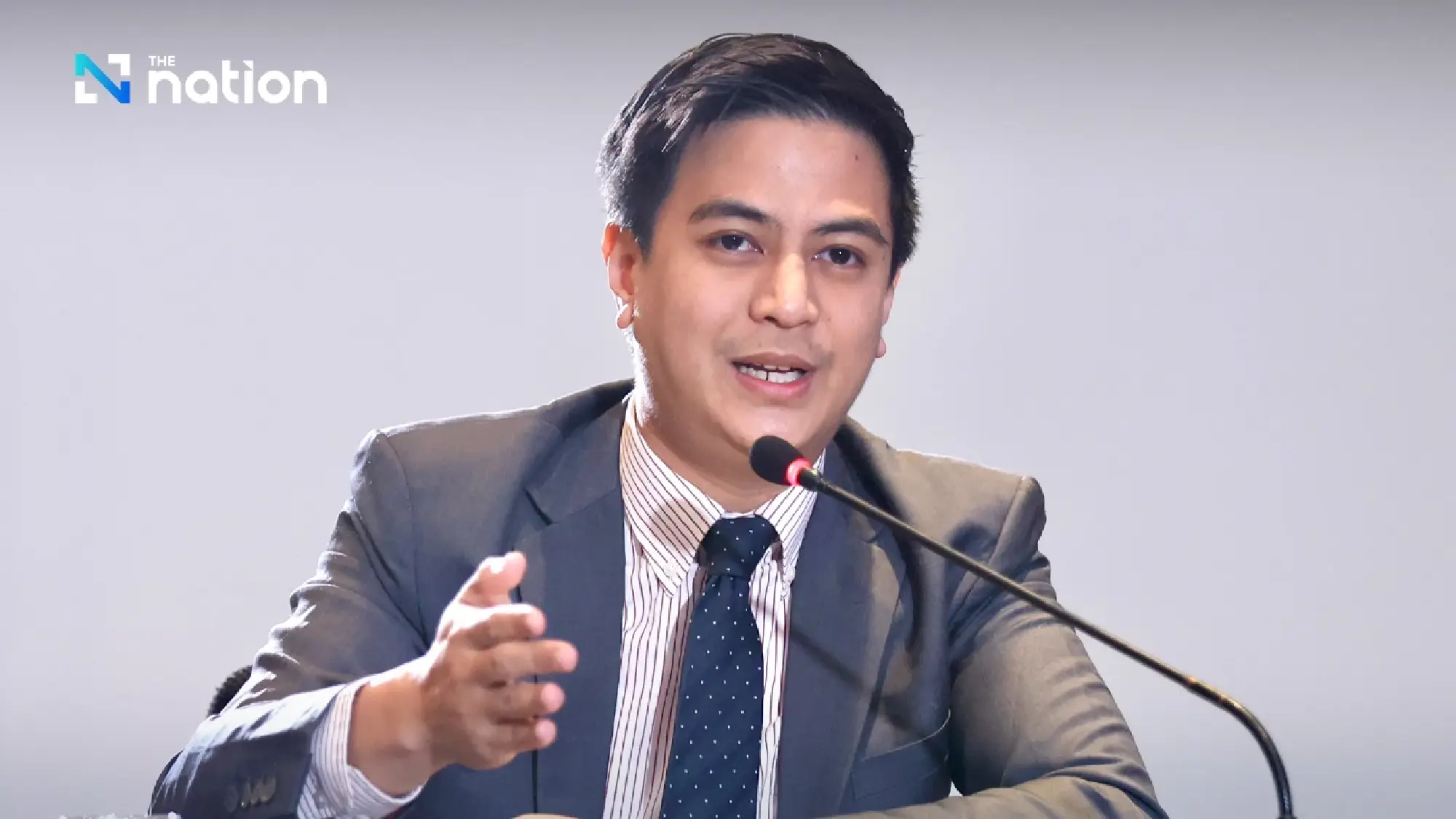
Parit Wacharasindhu, People’s Party spokesperson and education policy advocate, said the debate over AI in education involved three separate but connected issues: AI as a required skill, AI as a tool for learning, and AI as a risk to be managed.
As a skill, students need to learn how to use AI productively, just as earlier generations learnt to use calculators. At the same time, schools must ensure that reliance on AI does not weaken foundational abilities that remain important.
As a learning tool, AI could help students practise asking better questions, improve English communication, support personalised learning and reduce administrative work for teachers. This would allow teachers to spend more time mentoring students and providing the human support AI cannot fully replace.
As a risk, AI raises concerns over data privacy, harmful content, concentration, mental health and excessive use of social media. Parit argued that before introducing major restrictions, Thailand needs scientific evidence and broader public consensus.
He cited an Ipsos survey in 2025 showing that support in Thailand for banning social media use among children under 14 was lower than in other countries surveyed. This suggested that Thai society had not yet reached a clear consensus on restrictive policies.
“If we are going to move towards thinking about how to restrict the use of, or access to, social media or AI by younger people, then I think we need to work harder to gather scientific evidence and have a conversation to arrive at that consensus,” he said.
Learning must remain human
Dr Karndee Leopairote, the Democrat Party’s expert on innovation, technology, the digital economy and future studies, referred to Futures Lab research on AI in education, which outlined several possible futures for Thai education.
The worst-case scenario, she warned, would be “machine enslaving education”, where policymakers rely too heavily on AI platforms and assume teachers are no longer needed. This could trap education in a freemium-to-premium model, worsening inequality as wealthier students gain access to better AI tools.
A more positive scenario, “delighted and deliberated learning”, would use AI to support personal growth and learning. The best outcome, she suggested, would be “learning for empathy and humanities”, where AI remains a tool while education focuses on producing better human beings who understand others and contribute to society.
Karndee noted that some schools already have no-mobile or no-AI zones, especially for younger children, because early learning should involve curiosity, exploration and learning through the senses.
She added that students must understand AI-related risks, including fake voices, false online content and misleading material. The issue is not only about children, she argued, but also about adults who may struggle to distinguish between real and fake content.
For universities, she agreed that AI could not be banned from learning. However, education must return to its fundamental purpose: helping students learn from curiosity, struggle, failure and face-to-face debate.
“Face-to-face learning will become premium, privileged and real learning,” she said. “For a take-home exam, students can use all the tools they want. But intellectual debate and instant problem-solving are what distinguish strong understanding from weak understanding.”
In the AI era, speakers concluded, Thailand’s education system must move beyond asking whether AI should be used. The real challenge is how to make AI serve human learning, while ensuring that students remain curious, ethical, critical and capable of making their own decisions.
