
Erawan Shrine bombing case reaches verdict after decade-long trial
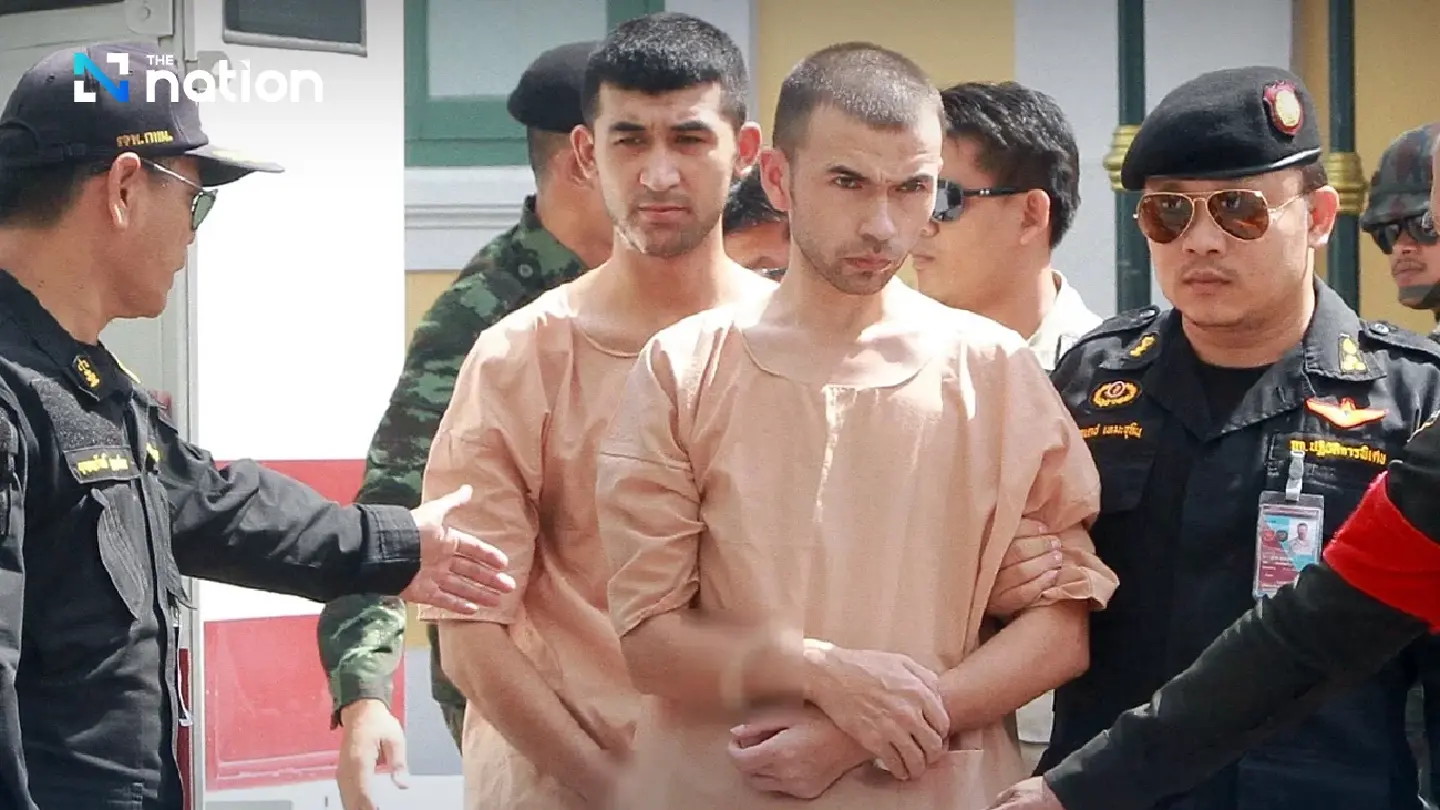


South Bangkok Criminal Court is set to deliver its verdict in the 2015 Erawan Shrine bombing case on June 11, after more than 10 years of delays involving military-court proceedings, Covid disruption and interpreter disputes.
More than 10 years after the deadly Erawan Shrine bombing at Ratchaprasong, the South Bangkok Criminal Court is scheduled to read its verdict on June 11 at 9am in one of Thailand’s longest-running and most closely watched criminal cases.
The case against Bilal Mohammed, also known as Adem Karadag, and Yusufu Mieraili has stretched into its 11th year, with more than 400 prosecution witnesses, more than 45 defence witnesses, tens of thousands of pages of documents and numerous procedural delays. The court has scheduled the verdict for June 11, 2026, at the South Bangkok Criminal Court.
A deadly attack in central Bangkok
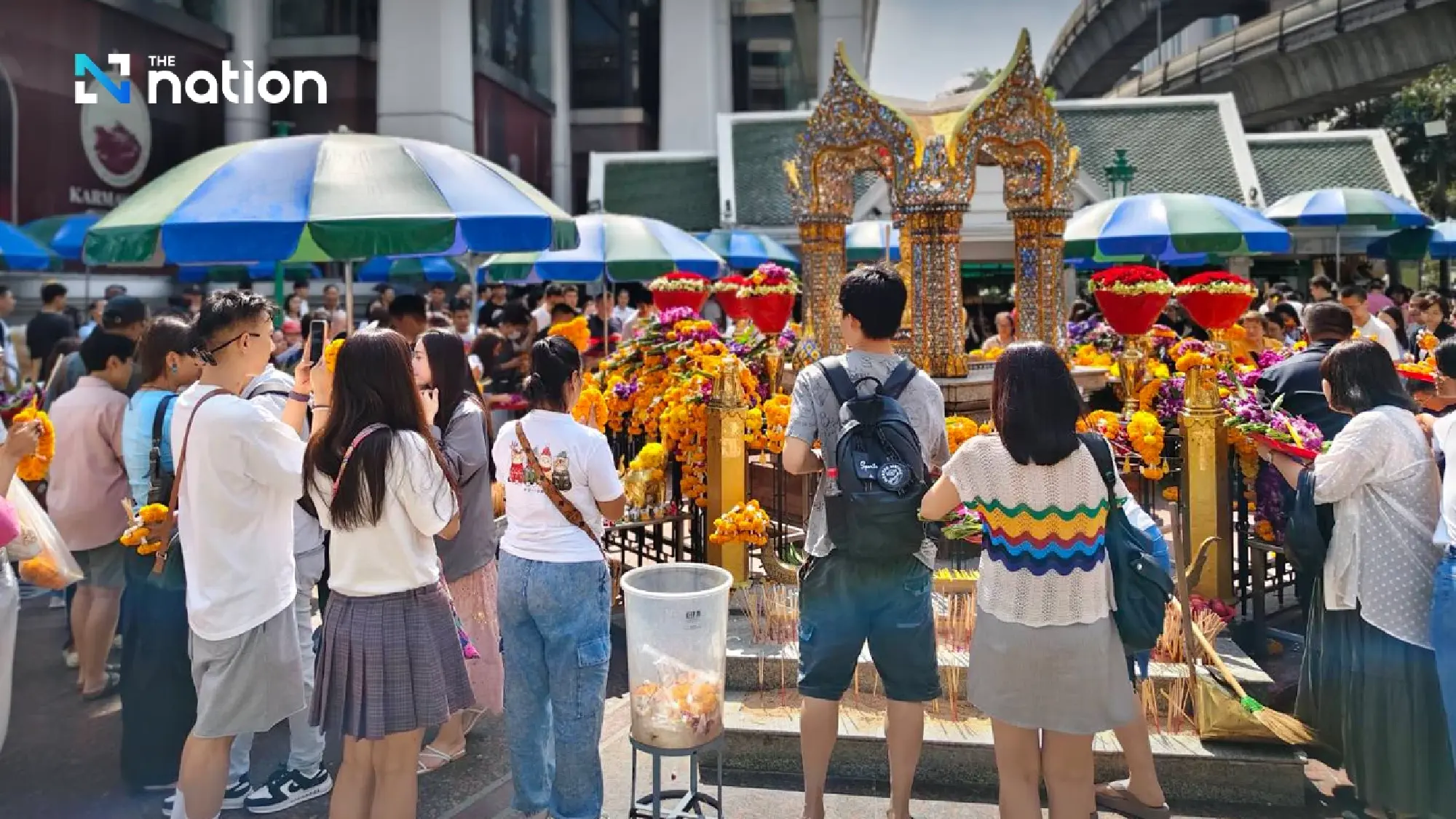
The bombing took place at about 6.55pm on August 17, 2015, at the Erawan Shrine near Ratchaprasong intersection, one of Bangkok’s busiest commercial and tourist areas.
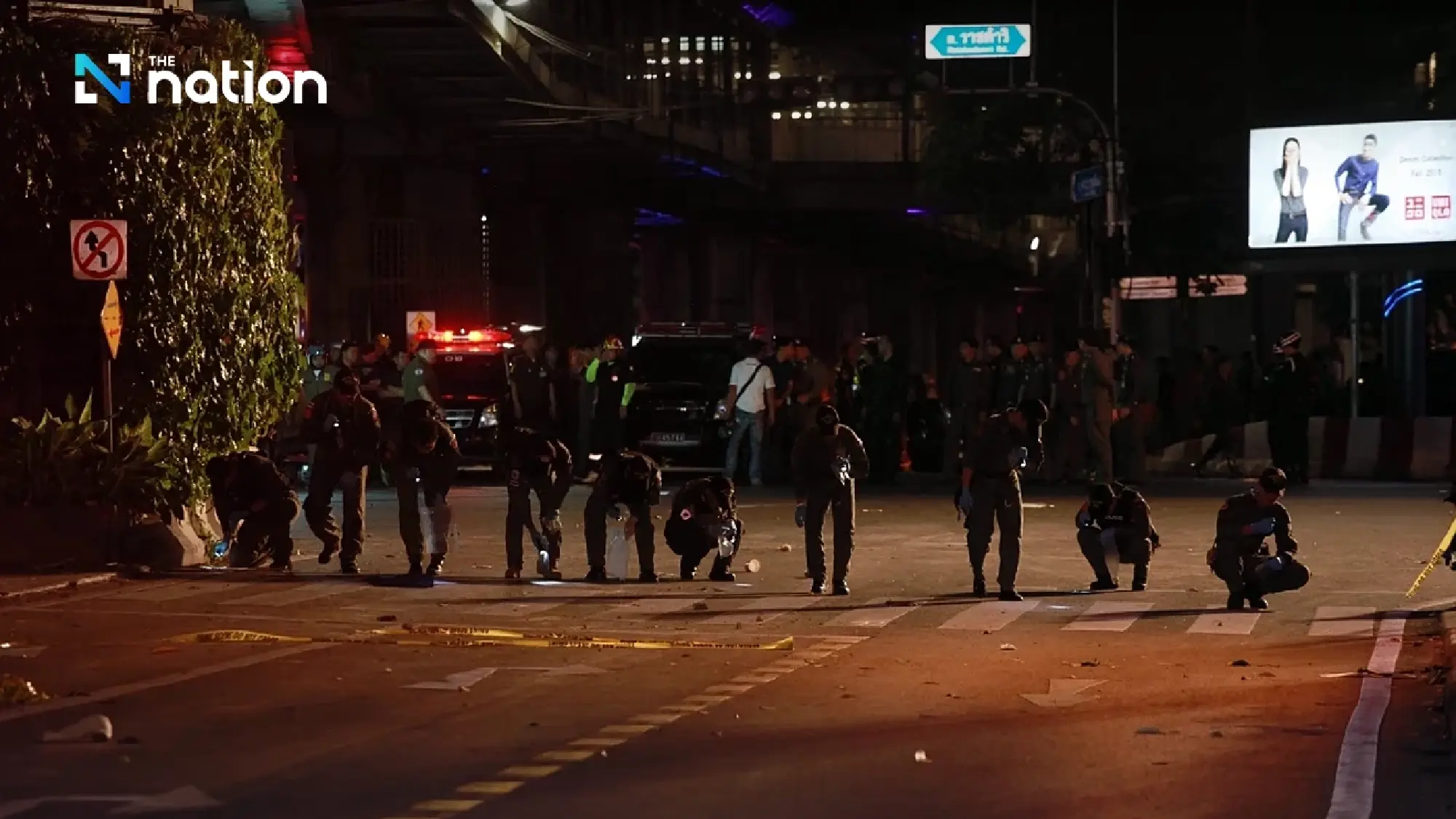
The blast killed 20 people, including foreign visitors and Thai nationals, and injured more than 160 others.
Police alleged that Karadag placed a backpack containing the explosive device at the shrine before leaving the area, while Yusufu was accused of assembling the device, procuring equipment and helping deliver it. Both men were later taken by police for a crime-scene re-enactment before authorities announced the case in September 2015.
From military court to civilian court
The long delay was shaped largely by the legal route the case took.
Because the bombing occurred during the National Council for Peace and Order era, the case initially fell under the jurisdiction of the Bangkok Military Court. iLaw reported that the case was handled by the military court because it involved offences linked to weapons and explosives under an NCPO order.
After civilian cases were later removed from military-court jurisdiction, the case was transferred to the South Bangkok Criminal Court, forcing witness examination to restart in the civilian system.
Covid and interpreter problems slowed proceedings
The case was then further delayed during the Covid-19 period, when court proceedings across the country were disrupted.
Another major obstacle was interpretation. The defendants speak Uyghur, requiring translation between Uyghur, English and Thai. Interpreter problems had already affected the case in its early years. In 2016, the bombing trial stalled after a military court rejected one proposed interpreter and another interpreter could not communicate with the defendants in Uyghur.
The long-running trial has been delayed by changes between military and civilian courts as well as a shortage of qualified courtroom interpreters.
More than 400 prosecution witnesses
The scale of the case also contributed to its length.
The trial involved more than 400 prosecution witnesses, more than 45 defence witnesses, large volumes of documentary evidence and physical evidence. The court eventually moved to complete the remaining witness hearings before setting the June 11 verdict date.
From 2023 to 2026, the South Bangkok Criminal Court accelerated the examination of remaining prosecution and defence witnesses, bringing the case to the verdict stage after more than a decade.
Other suspects and one acquittal
Authorities had also issued arrest warrants for several other alleged members of the network.
One Thai woman, Wanna Suansan, who was accused of renting accommodation for suspects, was acquitted by the South Bangkok Criminal Court in November 2024 after the court found the evidence insufficient. She was one of three people apprehended out of 17 suspects named by authorities.
