
Thailand's 'Land of Smiles' Has a Problem: Its Unhappy Schoolchildren
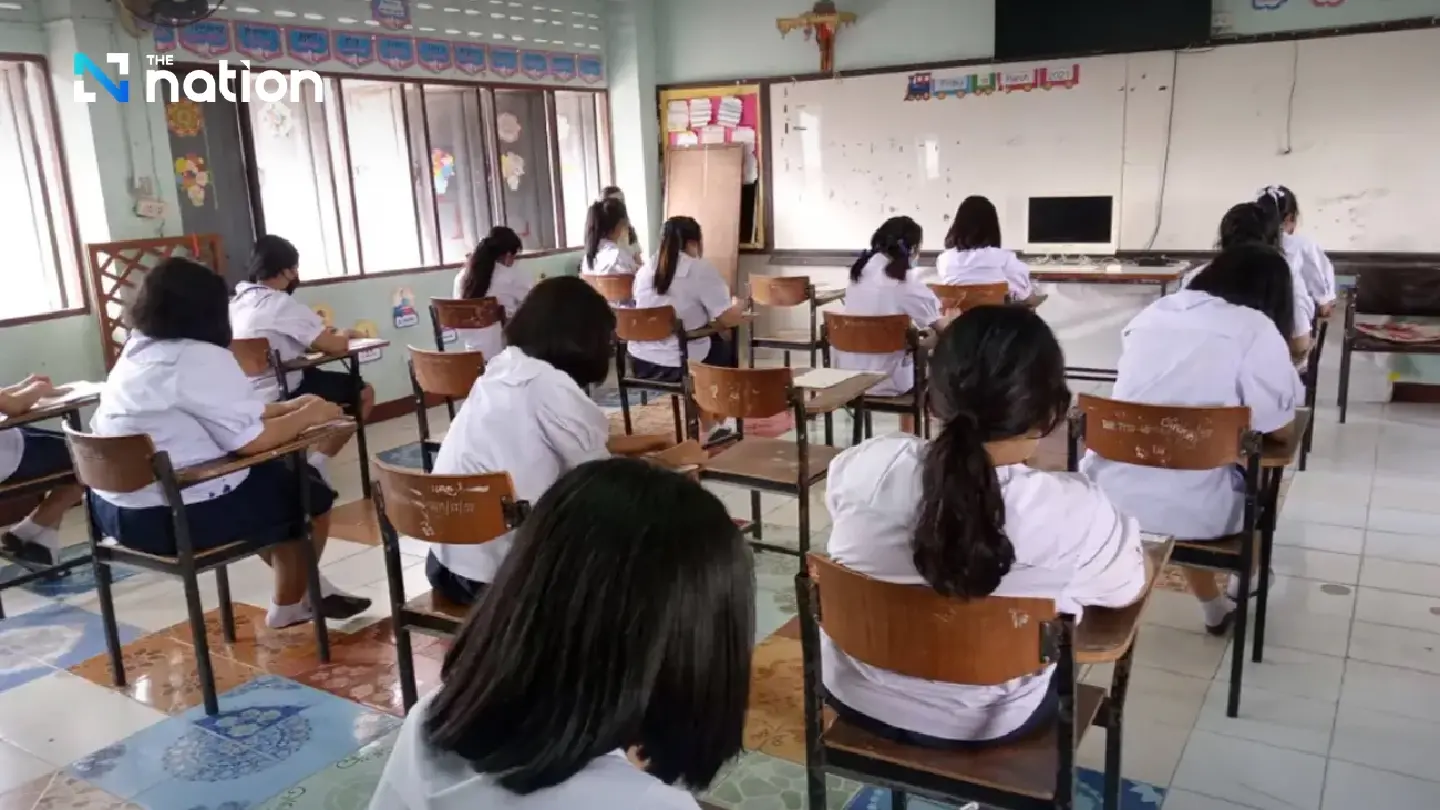


Experts warn that a toxic culture of rote learning and high-stakes exams is driving a mental health emergency in Thai schools, with two teenage suicides recorded every day
- Thailand is facing a mental health emergency among its schoolchildren, evidenced by a high teenage suicide rate and a 20-year low in international academic (PISA) scores.
- Experts attribute the crisis to a toxic educational culture focused on rote learning, high-stakes exams, and excessive pressure, described as an "industrial factory" approach.
- The problem extends beyond students, creating a "bad ecosystem" of overstressed parents and teachers, and is linked to a rise in broader societal issues like street violence.
- Panelists advocate for a fundamental shift from prioritizing academic scores to cultivating curiosity, empathy, and mental well-being through practices like mindfulness.
Experts warn that a toxic culture of rote learning and high-stakes exams is driving a mental health emergency in Thai schools, with two teenage suicides recorded every day.
Thailand's education system is facing twin crises — plummeting academic results and a silent epidemic of mental ill health — that experts say will produce a "lost generation" unless the country fundamentally rethinks how it teaches its children.
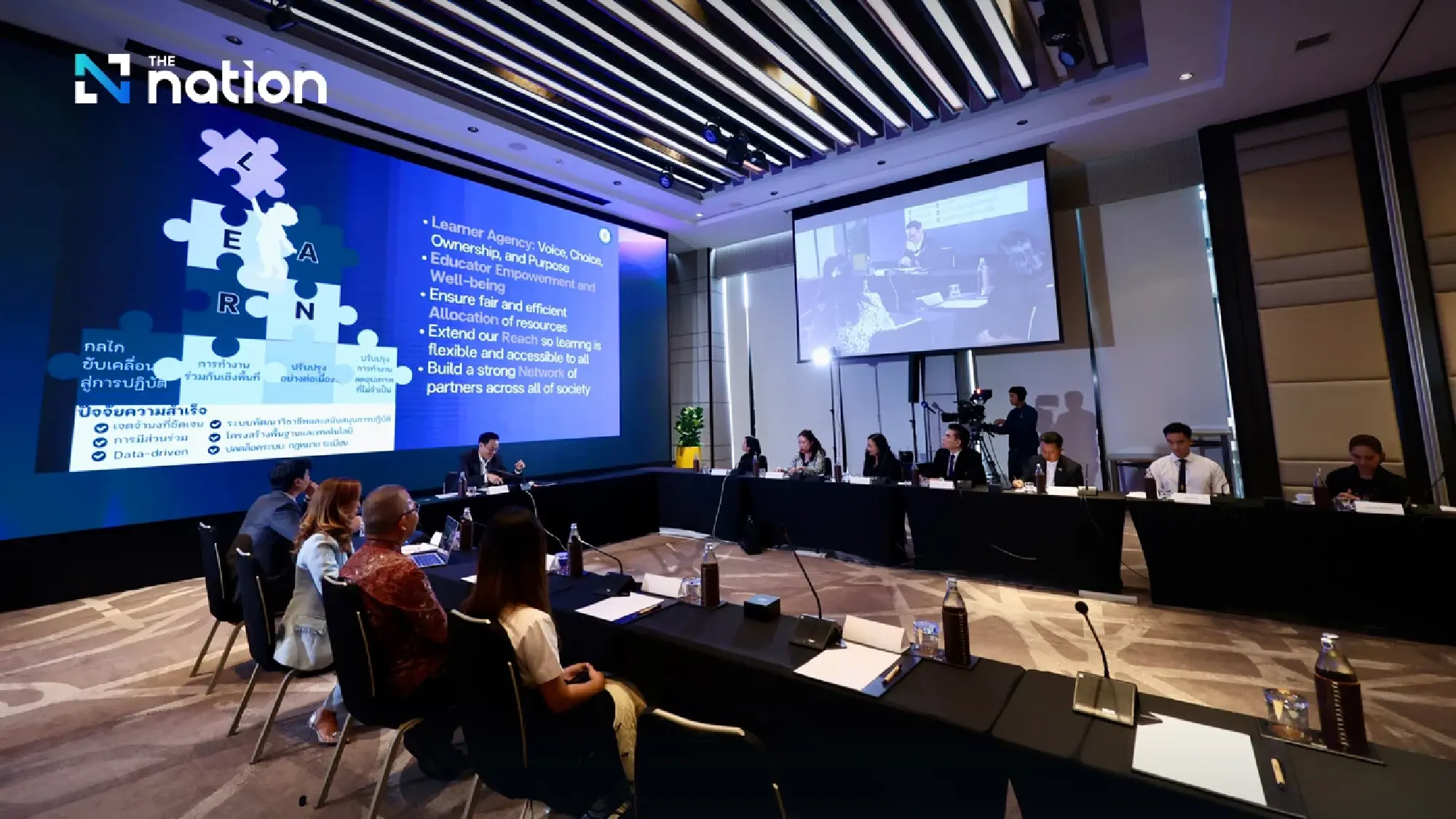
That was the stark consensus from a recent roundtable hosted by the Nation Visionary Club, titled Beyond the Classroom: Thai Education Beyond Borders, which brought together paediatricians, policymakers, school directors, and students to assess the state of Thai education.
The picture that emerged was troubling. Thailand's Programme for International Student Assessment (PISA) scores have fallen to a 20-year low. More alarmingly, the country records two teenage suicides every day — with the rate of attempts running 20 times higher still.

The Cost of the 'Factory' Model
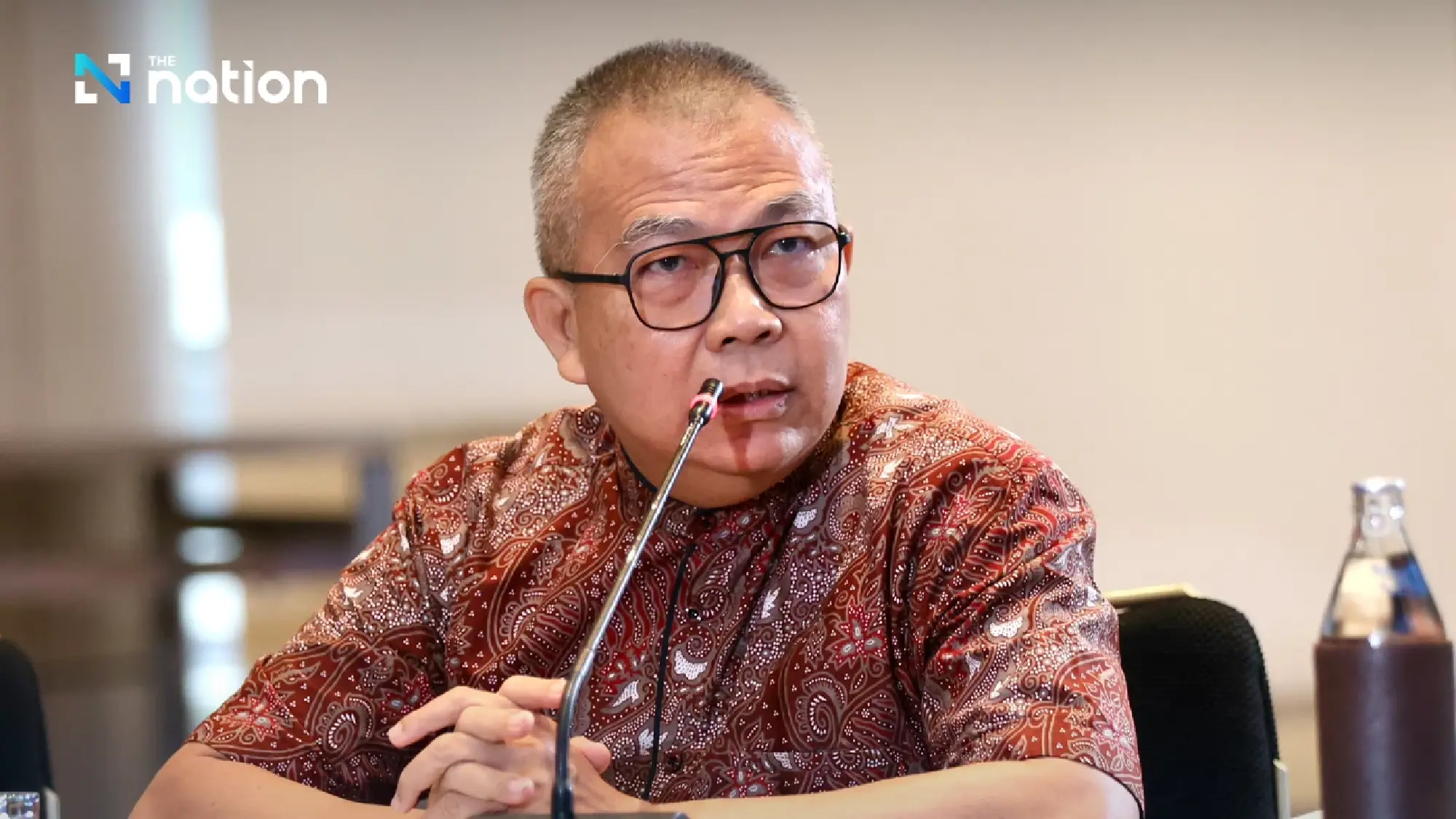
Assoc Prof Dr Suriyadeo Tripathi, a paediatrician and adolescent medicine specialist, laid the blame squarely on what he described as an "industrial factory" approach to schooling — one that treats pupils as units on a production line rather than individuals with distinct emotional needs.
"Educational systems at this level of competitiveness begin as early as kindergarten," he said. "Students are not robots."
Dr Suriyadeo argued that the damage extends well beyond pupils. In his clinical practice, half of his patients are parents and a quarter are teachers — evidence, he said, of a "bad ecosystem" in which overstressed adults are ill-equipped to nurture healthy learning.
He called for a shift in national educational philosophy from "Learn to Earn" to "Learn to Love" and "Learn to Empathy", arguing that in an era of artificial intelligence, young Thais must develop human qualities such as resilience and the ability to navigate multicultural conflict.
Dr Karndee Leopairote, speaking as both a politician and a mother, offered a complementary critique. She argued that forcing children into rigid academic or vocational tracks at a young age fails to honour their "multi-potentialite" nature.
The true goal of education, she said, should be to cultivate curiosity — "not to produce perfect grades for Facebook" — because curiosity is the bedrock of genuine confidence and well-being.
Drawing on her experience with international schools, she also highlighted a model in which schools provide dedicated classes for parents on mental health and well-being, suggesting that state schools could adopt a similar approach to stabilise what she called the "deepest wound" of policy discontinuity.
A Crisis Hiding in Plain Sight
Hartanto Gunawan, director of the Community Learning Centre, who has lived in Thailand for nearly 30 years, observed that the social consequences of this neglect are already visible on the streets.
"Thailand is a land of smiles," he said, "but I don't see any smiles nowadays."
He cited a rise in street violence, domestic abuse, and road rage as symptoms of a society that has prioritised the health of the body whilst ignoring the mind.
Gunawan called for a mandatory subject in mental discipline — which he tentatively labelled ME101 — to be introduced across the curriculum.
"We have been taught to shower every day to clean the body," he said. "Have you cleaned the mind every day?" He argued that without such a "mental shower", negative emotions would continue to accumulate, with damaging consequences for society at large.

The Myth of the High Achiever
One of the most striking contributions came from Nisanart Dharmageisirattana, director of the American School of Bangkok – Green Valley Campus. Despite holding degrees from New York University and Columbia University, she described a period of severe depression during which she was taking eight antidepressants a day.
"If I come from a very high-performing university, why am I still taking pills?" she asked.
Her experience left her a firm advocate for mindfulness and mental discipline as tools that cost nothing yet can be introduced in any school. Once the mind is properly trained, she argued, academic and personal achievement follows naturally.
The point was reinforced by student representative Krai Satarak of Chulalongkorn University, who questioned whether Thailand is measuring the right things entirely.
"Maybe we set the KPI wrong," he said, referring to the national preoccupation with PISA rankings. "I think we can have the lowest PISA score as long as students are happy and have the passion to go to school."

A New Path Forward
Parit Wacharasindhu of the People's Party identified "unhappiness" as one of three core failures afflicting Thai education – a malaise, he said, shared by pupils, teachers, and school principals alike. Excessive homework, high-pressure examinations, and punitive disciplinary practices all contribute to mental health difficulties that make genuine learning impossible.
"If you want students to be able to learn," he said, "you need to make sure that we look after their physical and mental health as well."
The Ministry of Education's Dr Jomhadhyasnidh Bhongsatiern acknowledged the problem, noting that the ministry's new strategic framework now explicitly includes "educator empowerment and well-being" as a primary pillar.
However, the roundtable's speakers agreed that policy change alone would be insufficient. What is required, they argued, is a cultural transformation — one that values human character over academic throughput.
Nisanart closed with an observation that was equal parts challenge and opportunity: Thailand is already a globally recognised destination for meditation and contemplative practice.
"If westerners already see that this is the best medicine ever for mankind and we have it," she said, "why not bring it, package it, and make it worldwide?"
The message from the roundtable was unambiguous: Thailand's future prosperity depends not on producing graduates who can recite facts, but on nurturing young people who are capable, compassionate, and content. Without mental well-being, the experts warned, even the most rigorous education will ultimately amount to very little.
