
Thai refiners boost crude reserves as Middle East crisis drags on
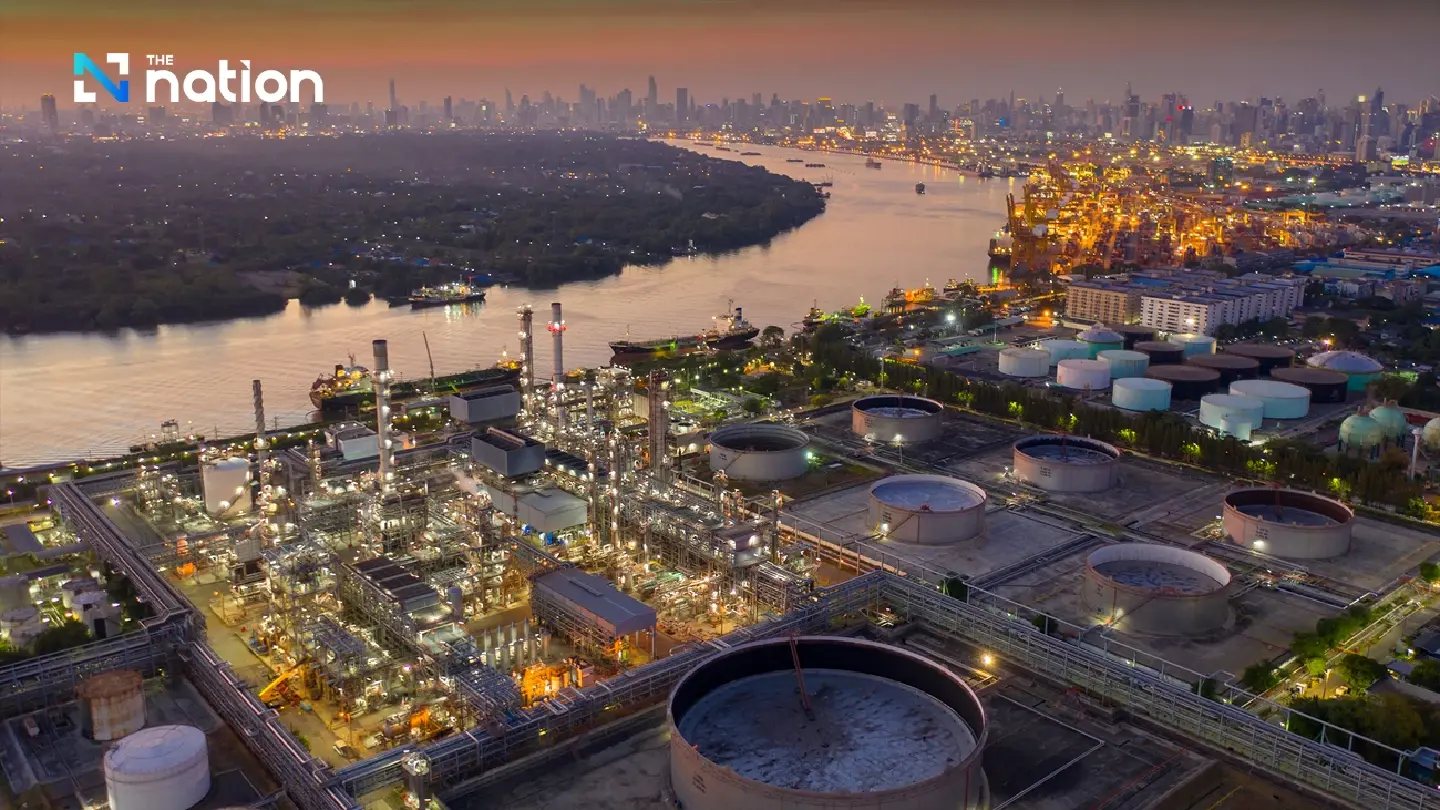


Thai refiners cut reliance on Middle East crude to about 30%, turning to West Africa and the US to guard against prolonged supply risks
Thai oil refiners are stepping up supply-security measures by diversifying crude imports, securing cargoes in advance and increasing floating storage as they prepare for the risk of a prolonged Middle East crisis.
Rungnapa Janchookiat, chairwoman of the petroleum refinery industry group under the Federation of Thai Industries, said refiners had been closely monitoring global energy markets, crude procurement, shipping routes and other risk factors that could affect oil supply.
She said the industry had continued to assess conditions and plan crude purchases ahead of time through cooperation with international traders and producers, allowing refiners to reach supply sources in several regions and adjust procurement plans quickly when risks change.
The flexibility, she said, comes from continued investment in refinery development and upgrades, which has allowed Thai refineries to process crude from a wider range of producing areas.
Since unrest in the Middle East intensified, Thai refiners have increased crude purchases from other regions, including West Africa and the United States.
As a result, the share of crude sourced from the Middle East has fallen from around 60% under normal conditions to about 30%. The remaining Middle East crude can still be received from ports outside the Strait of Hormuz, reducing exposure to any disruption around the key waterway.
Refiners have also introduced additional supply-management measures to strengthen national energy stability. These include securing crude oil in advance for production, increasing crude storage on vessels through floating storage, and temporarily sourcing extra storage tanks for finished oil products both inside and outside refinery areas.
Rungnapa said these measures had lifted Thailand’s oil supply in the system to about 10 days above normal levels compared with the period before the Middle East conflict.
The higher buffer is intended to reassure the public and businesses that Thailand has enough energy to meet demand and manage possible supply risks if the regional crisis continues.
