
Government allocates over Bt10bn to manage 11.5m tonnes of Thai rice
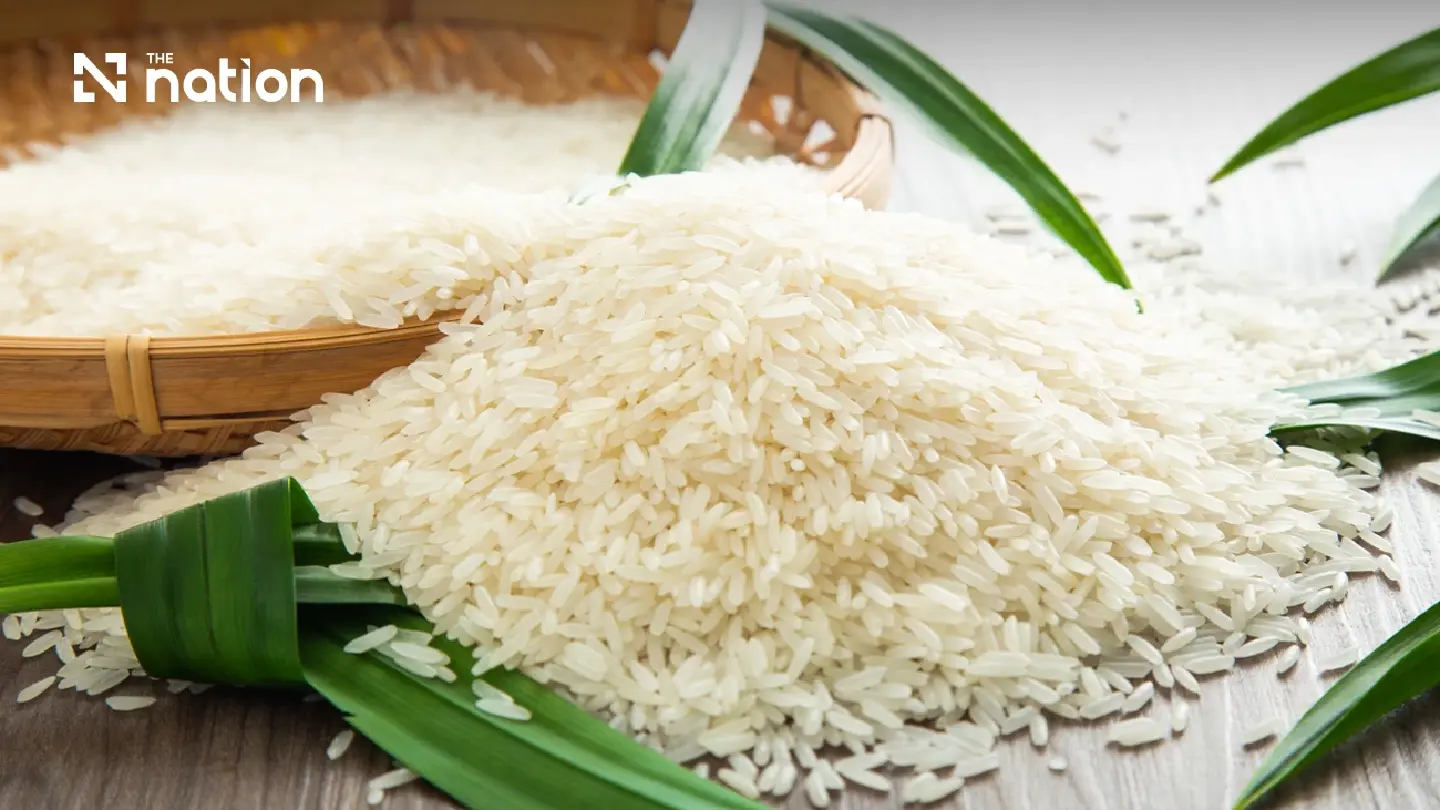


Thailand’s rice policy committee has approved two measures and five projects worth Bt10.19 billion to stabilise paddy prices, support farmers and add value to Thai rice.
The government has approved more than 10 billion baht in funding to manage 11.5 million tonnes of paddy rice, aiming to shore up prices, support farmers’ income and add value to Thai rice.
Suphajee Suthumpun, Deputy Prime Minister and Minister of Commerce, said after Friday’s meeting of the National Rice Policy and Management Committee (NRPMC) that the panel had acknowledged the global rice outlook for the 2026/27 production year, which is expected to become tighter.
Global rice output is forecast to fall by 1% to 537.82 million tonnes of milled rice, while global consumption and trade are expected to increase, reducing world rice stocks.
Thailand, meanwhile, is expected to see lower production of both off-season and main-crop rice because of higher production costs and climate-related risks.
However, concerns over food security and the impact of drought in several countries could create opportunities for Thailand to expand rice exports in the second half of the year. Suphajee said the government would have to closely monitor water conditions, production factors and global markets to maintain a balance between output, quality and price stability.
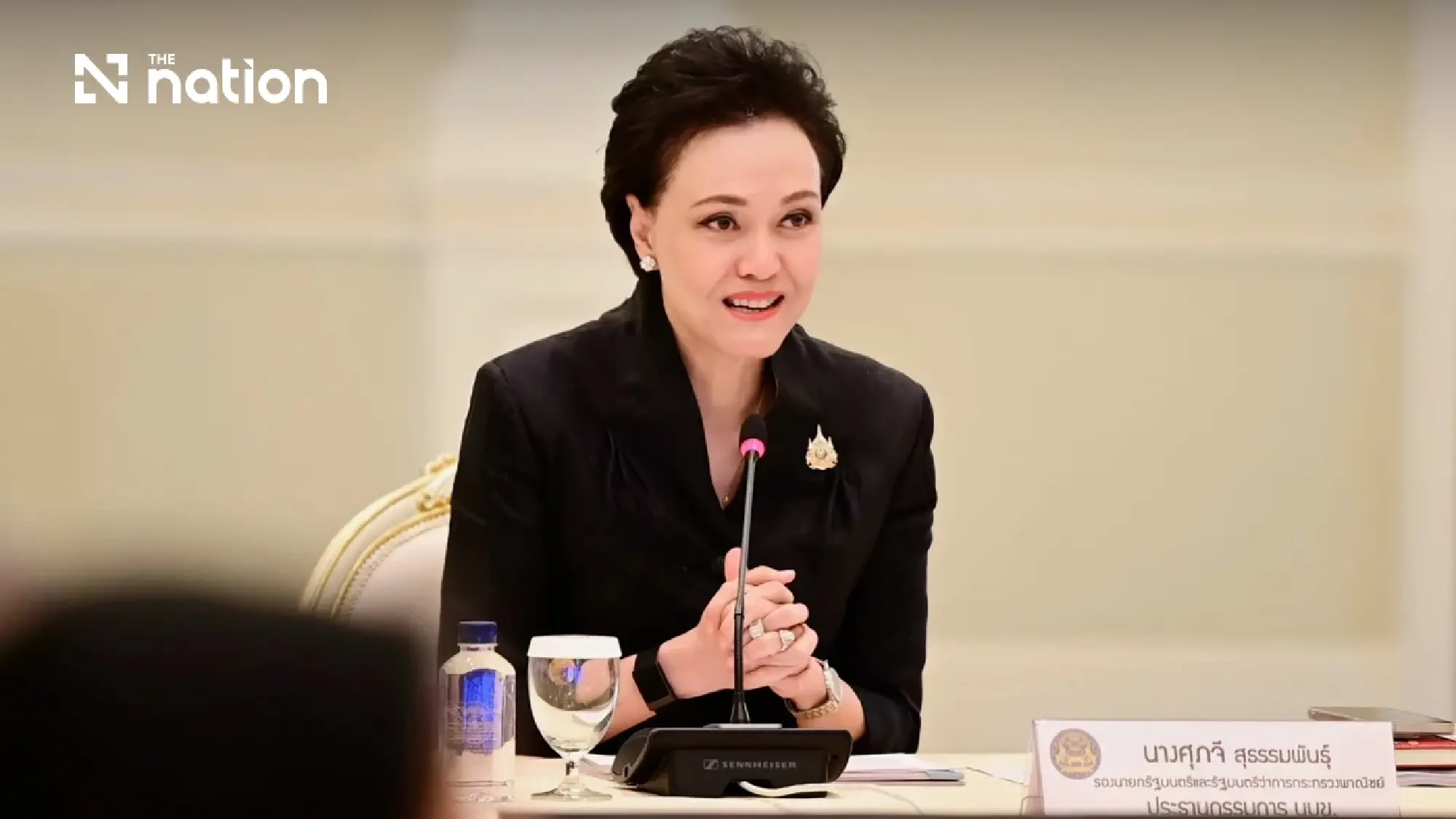
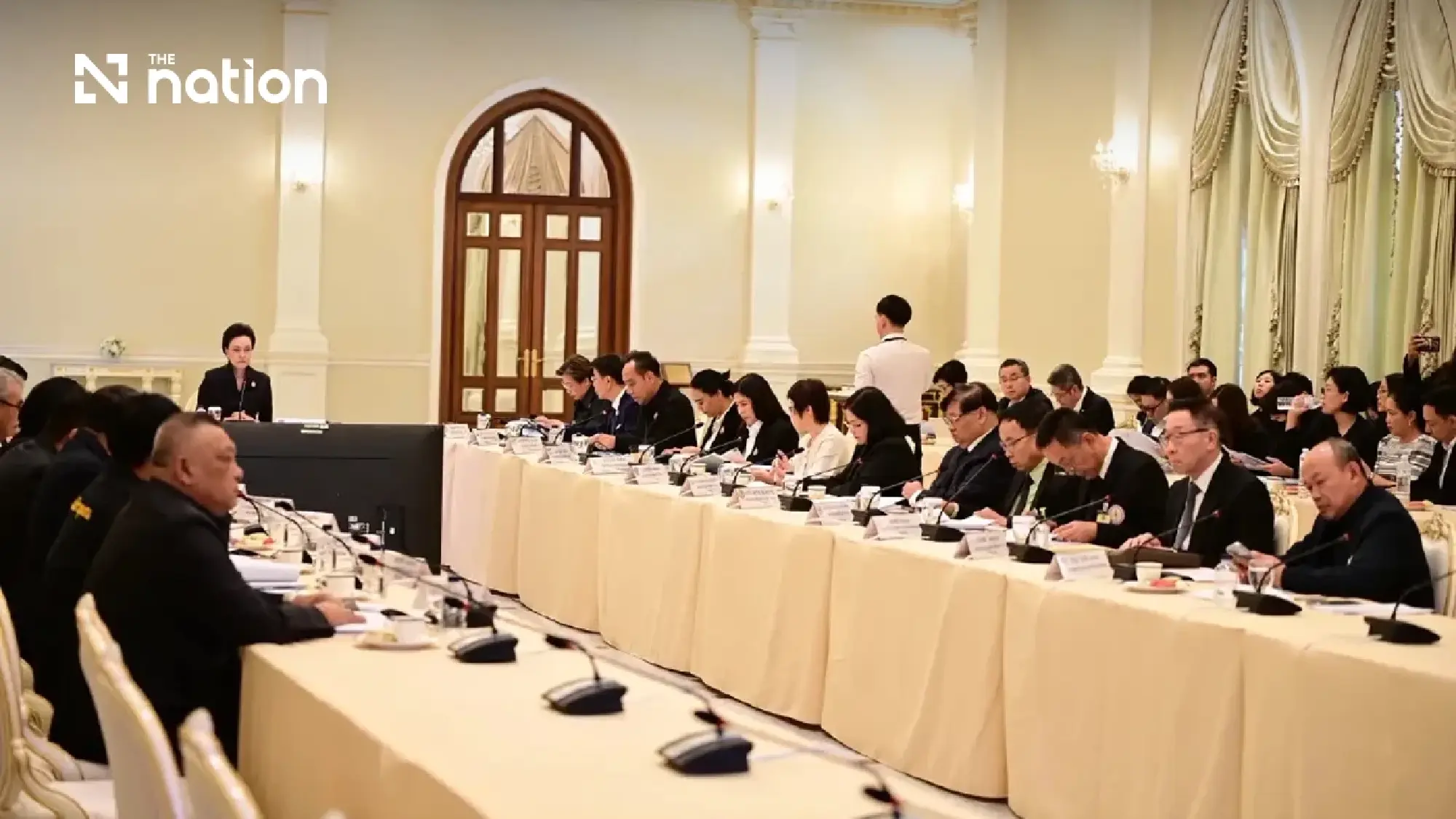
She said the meeting had considered a comprehensive package of assistance to stabilise paddy prices and protect farmers’ income. The measures cover crop absorption, liquidity support, value creation for Thai rice and proposals submitted by farmers.
The NRPMC approved two measures and five projects, with a target to manage 11.5 million tonnes of paddy rice and a total expenditure framework of 10.19 billion baht. The package is intended to absorb supply, stabilise rice prices and improve the quality of Thai rice throughout the supply chain.
Price-stabilisation measure for 2026/27 paddy rice
The first measure is aimed at stabilising paddy prices in the 2026/27 production year, with an expenditure framework of 8.43 billion baht. It comprises three projects.
The first is a credit scheme to delay sales of main-crop paddy rice for the 2026/27 production year, with a budget of 7.21 billion baht and a target of 3 million tonnes of paddy. The government will support storage costs at 1,500 baht per tonne to delay the release of rice into the market.
The second is a credit scheme for farmers’ institutions to collect rice and create added value in the 2026/27 production year. The project has a budget of 656.25 million baht and targets 1.5 million tonnes of paddy.
The third is an interest-compensation scheme for rice traders holding stocks in the 2026/27 production year. It has a budget of 564 million baht and targets 4 million tonnes of paddy.
Suphajee said the projects would help absorb rice supply from the market, ease price pressure and stabilise farmers’ income.
New Rice Economy plan
The meeting also approved a longer-term structural production reform measure under the “Thai Rice towards the Future Economy”, or New Rice Economy, concept. This measure has an expenditure framework of 1.76 billion baht and consists of two projects.
The first is a paddy absorption project for the 2026/27 production year, with a budget of 1.68 billion baht and a target of 3 million tonnes of paddy. It is intended to manage surplus rice, maintain supply balance in the market and link rice processing to the production of bagged rice for agencies with actual demand, such as the Corrections Department, military agencies and other government bodies.
The second is a project to promote and develop high-quality rice production to increase value, known as the second phase of the “premium rice” project. It has a budget of 84 million baht and will cover 266 groups.
The project aims to promote high-quality rice production, raise the value of farmers’ output, increase income and strengthen the long-term competitiveness of Thai rice.
Suphajee said all the measures would help stabilise rice prices while upgrading quality and creating sustainable added value across the Thai rice supply chain.
Additional support for farmers
The NRPMC also approved an expansion of the budget framework for the project supporting main-crop rice farmers and promoting cultivation suited to local potential in the 2025/26 production year.
The project, commonly known as the 1,000-baht-per-rai support measure, will see its budget framework increased from 37.91 billion baht to 39.75 billion baht, up by 1.85 billion baht.
The additional budget will cover assistance for rice farmers who have already registered but have not yet received support, ensuring the payments are made broadly and fully in line with the project’s targets.
The committee also instructed the Rice Department to continue its rice-seed replacement promotion project, saying it could help improve production efficiency, reduce costs and increase yields for farmers.
It also asked the department to study ways to preserve rice seeds for longer while maintaining quality, such as using temperature-controlled silos, to ensure a sufficient and continuous supply of high-quality seeds.
The NRPMC assigned farmers’ requests to be discussed further by its production subcommittee, chaired by the Ministry of Agriculture and Cooperatives, for detailed consideration of each measure.
“The government will closely monitor the rice situation both domestically and internationally, while integrating work with all sectors to stabilise rice prices, safeguard farmers’ income and upgrade Thai rice so it can compete sustainably in the global market,” Suphajee said.
