
London-style congestion fee could lower Bangkok rail fares
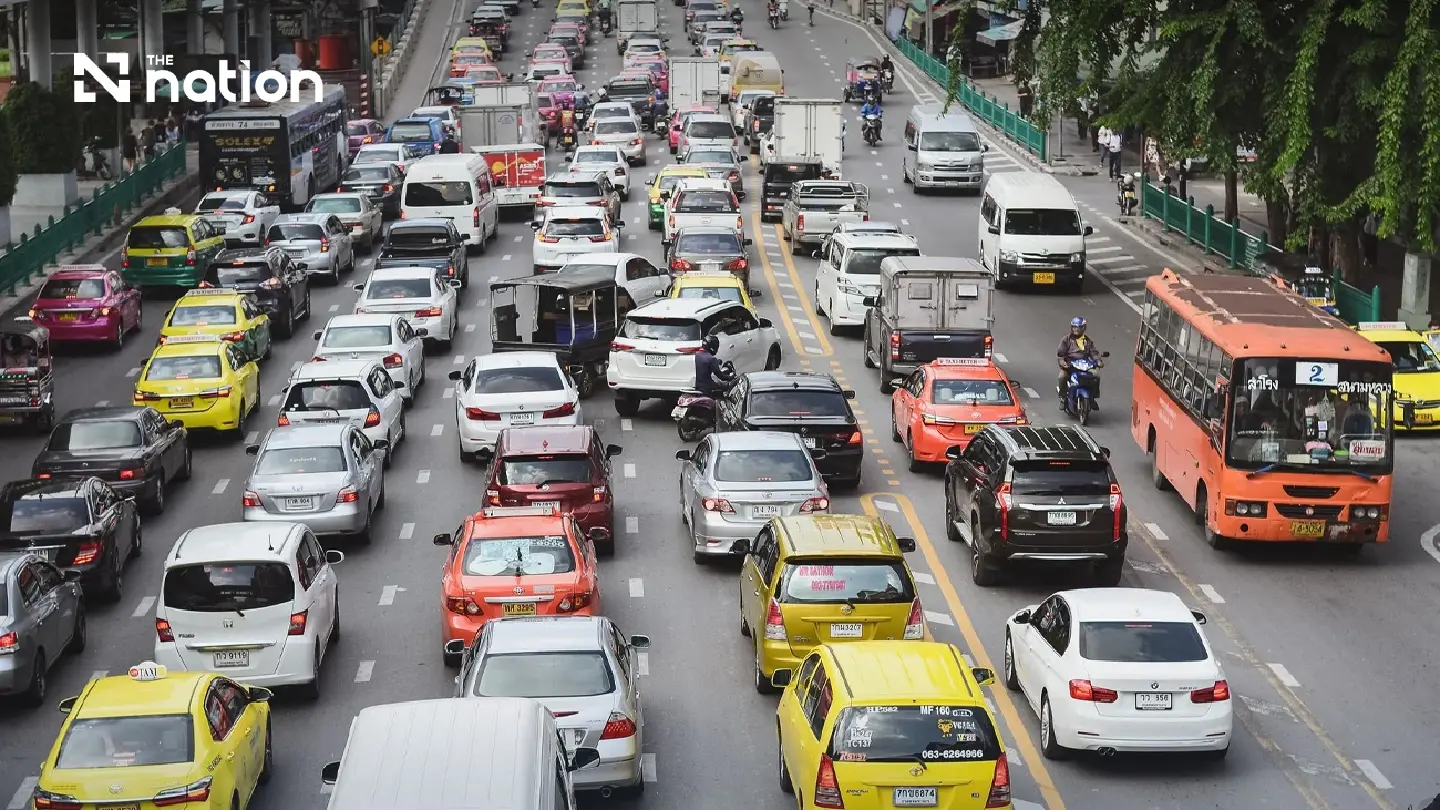


Thailand is studying a London-style congestion charge for central Bangkok, with revenue intended to lower rail and other public transport fares.
- Thailand is studying a London-style congestion charge for Bangkok, where motorists would pay to enter designated central zones.
- Revenue collected from the charge would be used to subsidize and lower the fares for public transport, including the city's rail systems.
- A UK-backed study has concluded that an area-based system like London's is the most appropriate model for the city.
- The plan's success and implementation depend on making public transport more affordable and completing a common-ticketing system first.
Thailand is studying whether London’s congestion-charging model could be adapted for Bangkok, with revenue collected from motorists entering designated central areas used to subsidise rail and other public transport fares.
Jiraroth Sukolrat, director-general of the Office of Transport and Traffic Policy and Planning (OTP), told Thansettakij that the agency had consulted British experts on adapting the model to Thailand’s circumstances.
The conceptual phase of the study has been completed, and OTP is awaiting the final report, which is expected to be delivered by the end of 2026.
Once received, the findings will be submitted to the Commission for the Management of Road Traffic (CMRT) for acknowledgement. Should the commission approve further development of the proposal, the findings would subsequently be presented to the Cabinet.
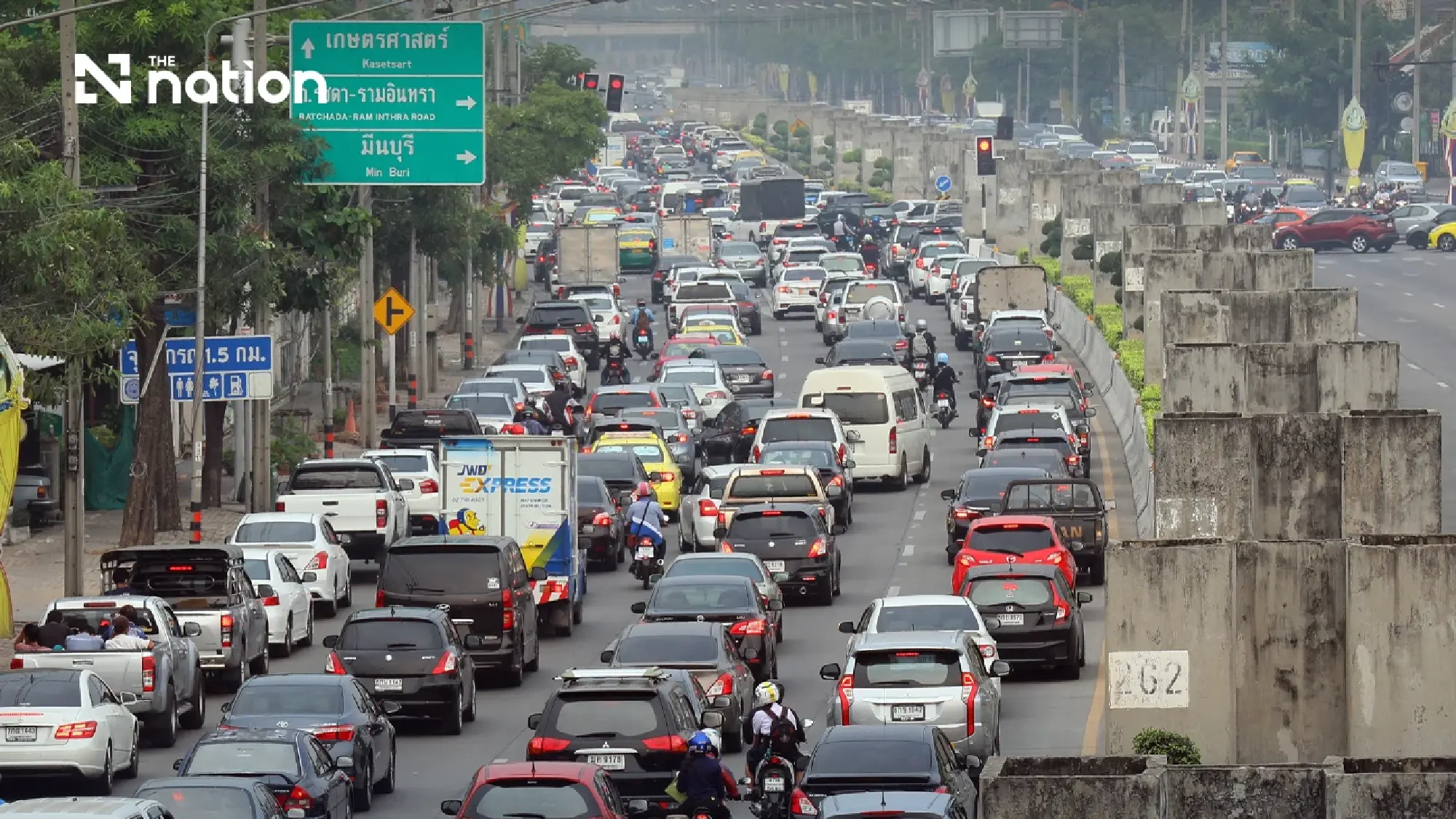
UK-backed study tests practical feasibility
The initial phase of the study was supported by grant funding from the British government to determine whether congestion charging could operate effectively in Thailand.
Several practical details will require further examination, including the exact number of cameras, the establishment of a central monitoring centre and the project’s total budget.
The conceptual study has identified possible charging zones and selected CCTV technology to detect vehicle registration plates.
Jiraroth explained that OTP had examined congestion-charging systems in four countries. Singapore uses a road-based system, while the United Kingdom, Sweden and Italy impose charges within designated areas.
The study concluded that an area-based system similar to the British model would be the most appropriate for Bangkok.
Lower fares central to public acceptance
The findings identified the availability and affordability of public transport as crucial conditions that must be addressed alongside any congestion charge.
Inner Bangkok already has relatively extensive rail and bus services, but public transport fares would need to become more affordable to encourage motorists to leave their cars at home.
An effective common-ticketing system and integrated fare structure would therefore be needed to provide a practical alternative to private vehicles.
The London model combines two measures: charging motorists who enter designated areas by private vehicle while making public transport cheaper and improving its quality. This approach is consistent with plans being developed by Thailand’s Department of Rail Transport.
London’s requirement that congestion-charge revenue be reinvested in public transport was also identified as a key factor in gaining public acceptance, despite opposition when the scheme was first introduced.
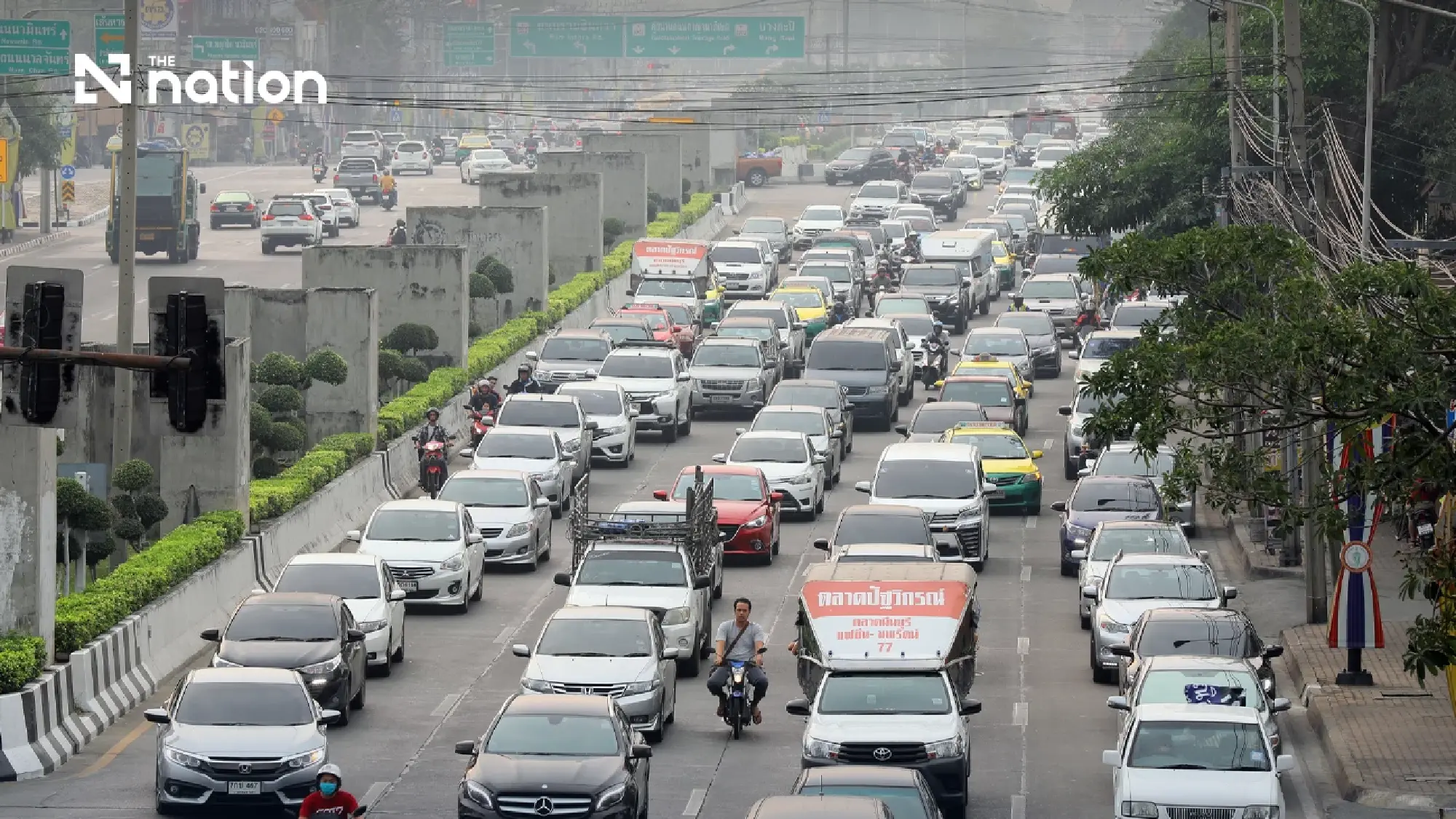
Common-ticketing system must be completed first
Ticketing systems and supporting technology must also be ready. London allows passengers to travel across different services using a single card or contactless payment, with fares automatically capped.
Thailand still needs to complete its common-ticketing system before area-based congestion charging can operate effectively. Public consultations and trial operations would also be required before any scheme is formally introduced.
The Department of Rail Transport plans to hold a second public hearing by December 2026 and complete its final study in January 2027. The findings are then expected to be submitted to the CMRT before the proposal is advanced to the Cabinet during 2027.
Source: Thansettakij
