
Thailand’s lunar payload CE-7 MATCH set for Chang’e 7 mission
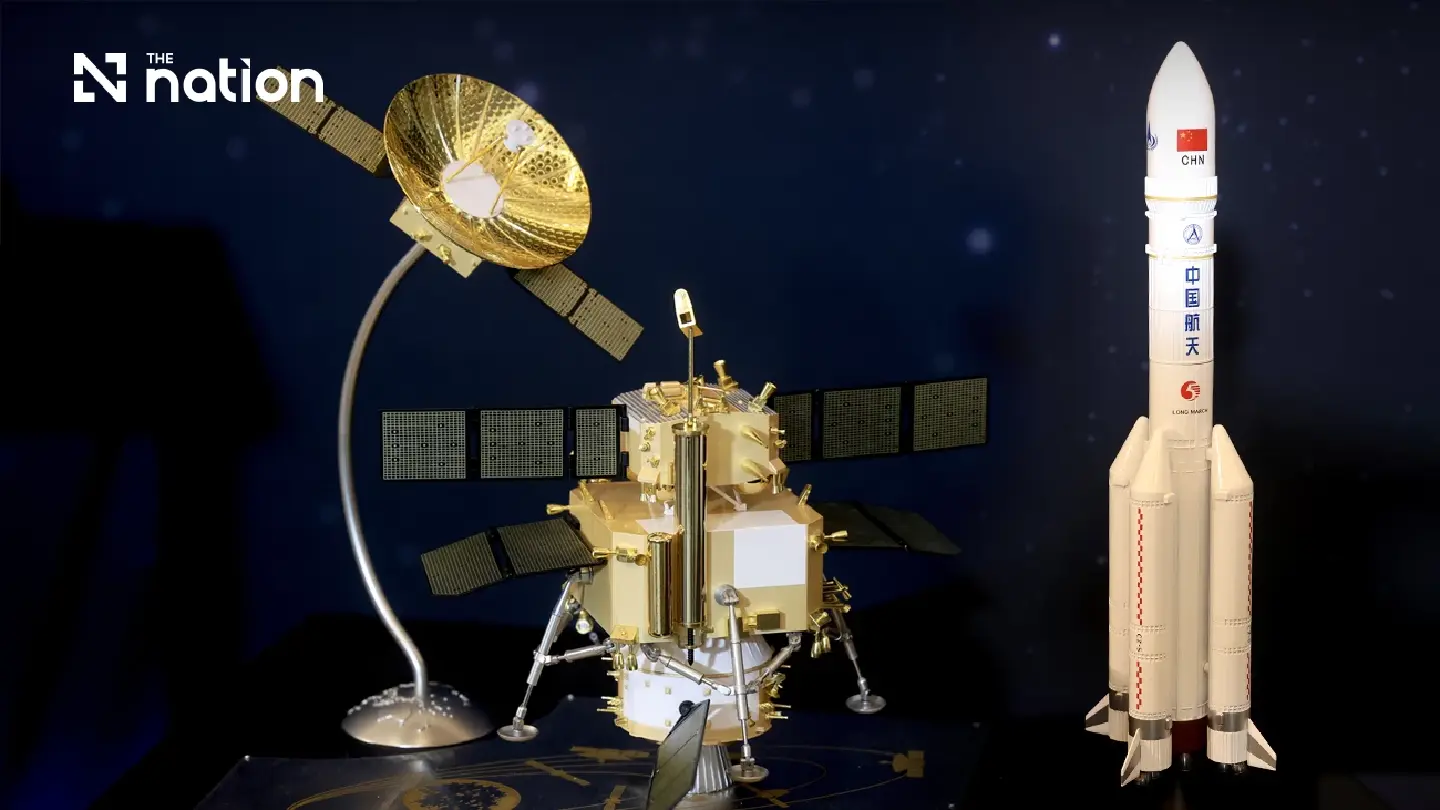


Thailand’s CE-7 MATCH scientific payload will join China’s Chang’e 7 lunar mission, advancing space research and engineering development.
Thailand is preparing to send its first locally developed scientific instrument to the Moon as part of China’s Chang’e 7 lunar exploration mission, marking a milestone in the country’s space research and engineering development.
The CE-7 MATCH payload, designed and developed by the National Astronomical Research Institute of Thailand (Public Organisation) (NARIT), will be among seven international scientific instruments carried by the Chang’e 7 spacecraft.
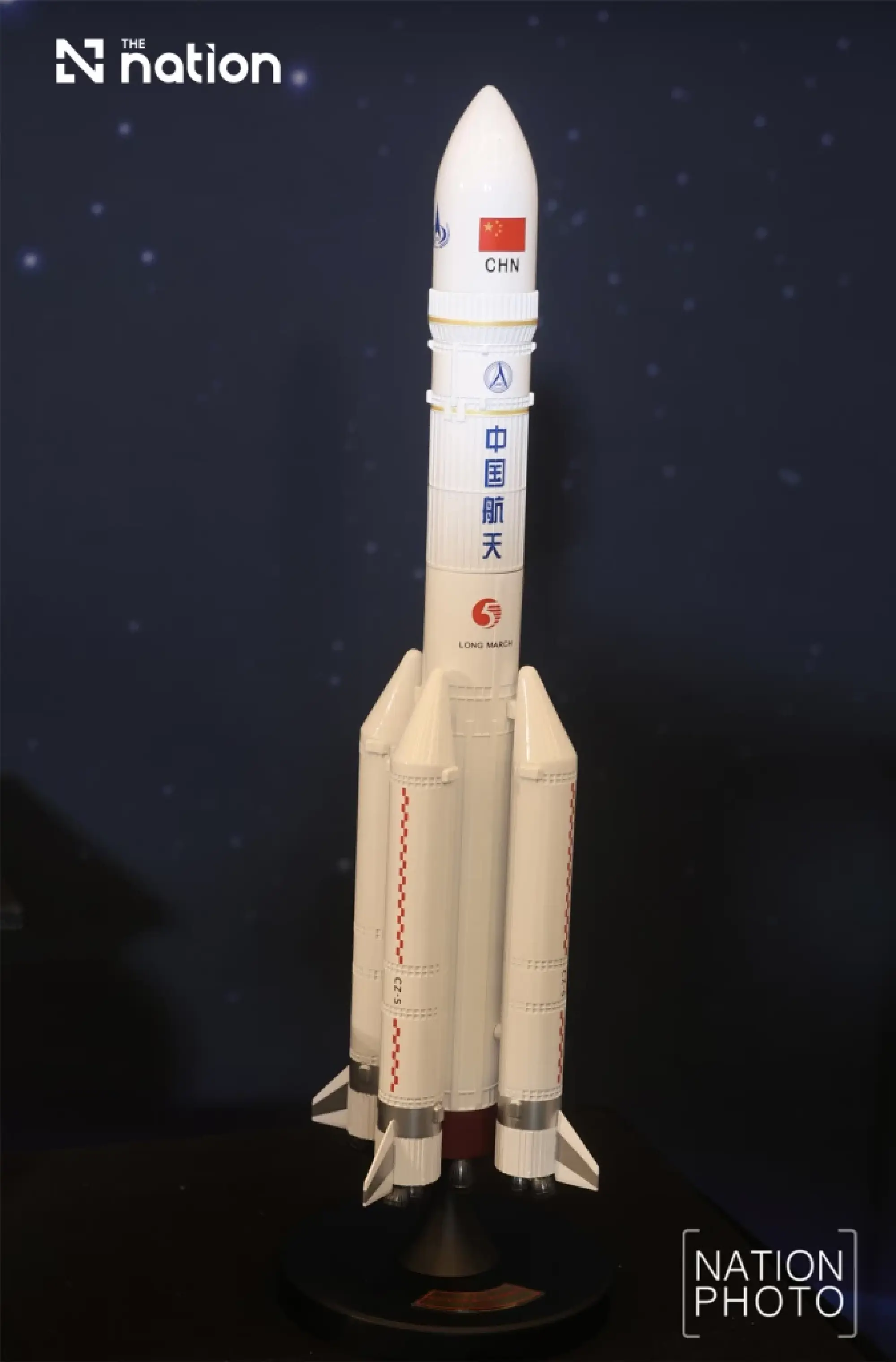
The mission is scheduled to launch aboard the Long March-5 Y14 rocket from the Wenchang Spacecraft Launch Site in Hainan, China, on August 24, 2026.
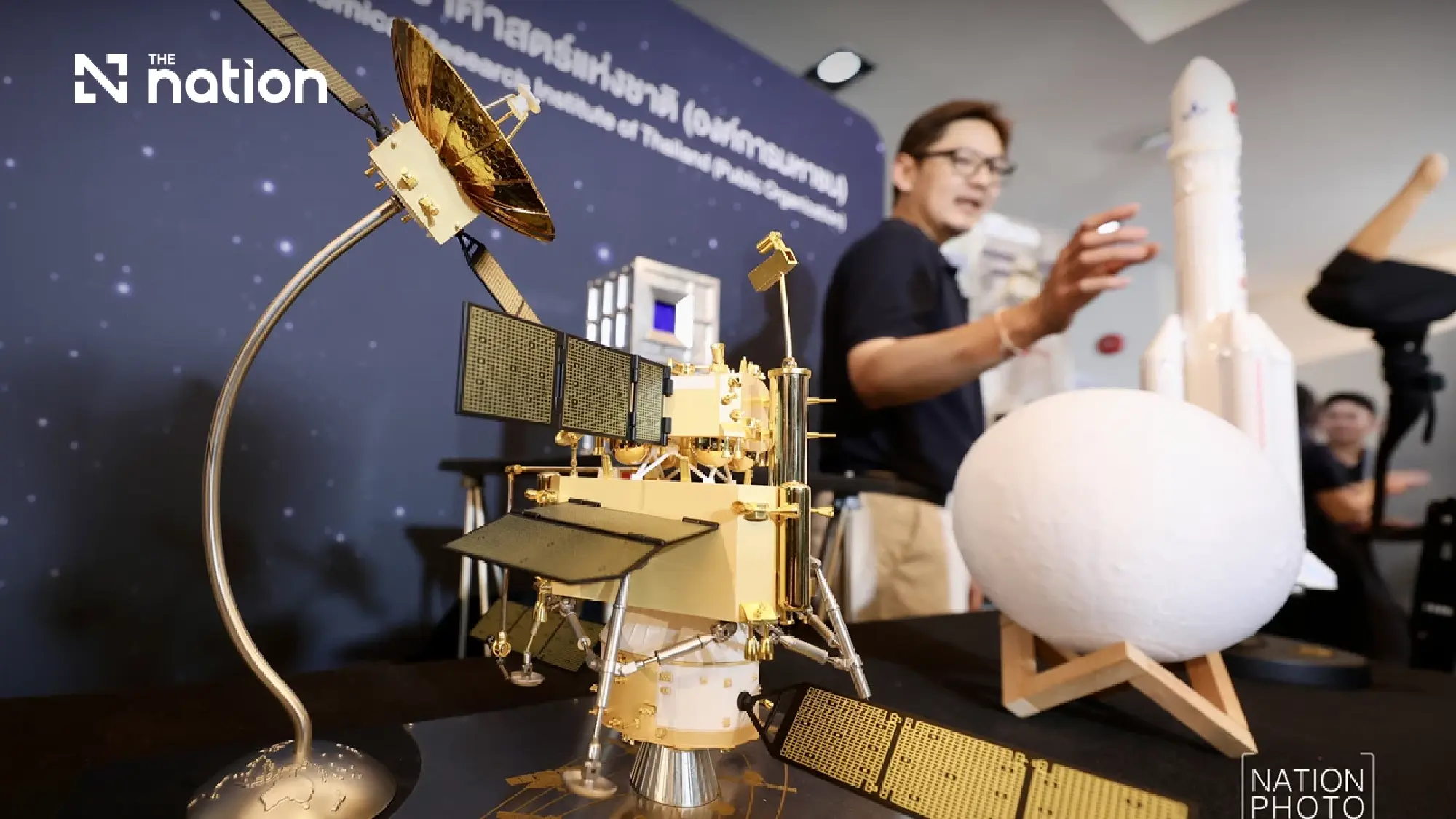
Thai payload to study lunar space environment
Prof Dr Yotsanan Wongsawat, Deputy Prime Minister and Minister of Higher Education, Science, Research and Innovation (MHESI), said the CE-7 MATCH mission represented a major step forward for Thailand’s space science capability.
He said the project was not only a scientific achievement but also reflected efforts to strengthen national research capacity and develop advanced engineering expertise.
The payload will be installed on the Chang’e 7 spacecraft to observe space conditions and monitor solar storms continuously for three years.
The data collected is expected to support research into space weather and improve understanding of conditions that could affect satellites operating around Earth.
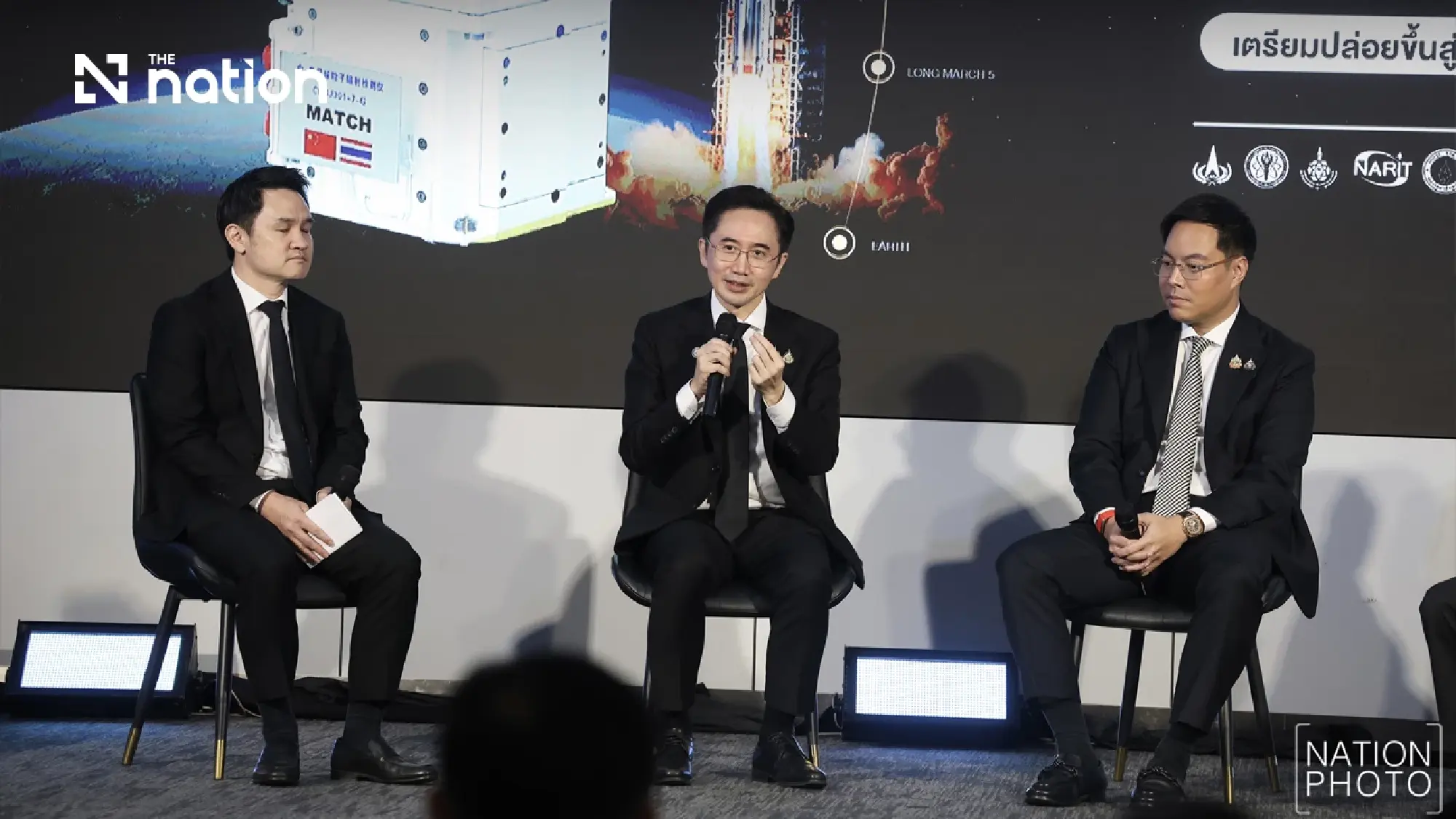
Space technology seen as foundation for new economy
Yotsanan said space research required highly advanced engineering standards, particularly Space Grade requirements where components must operate reliably under extreme conditions.
He explained that research and development for space missions could generate technology transfers, new innovations and intellectual property that could be applied across multiple industries.
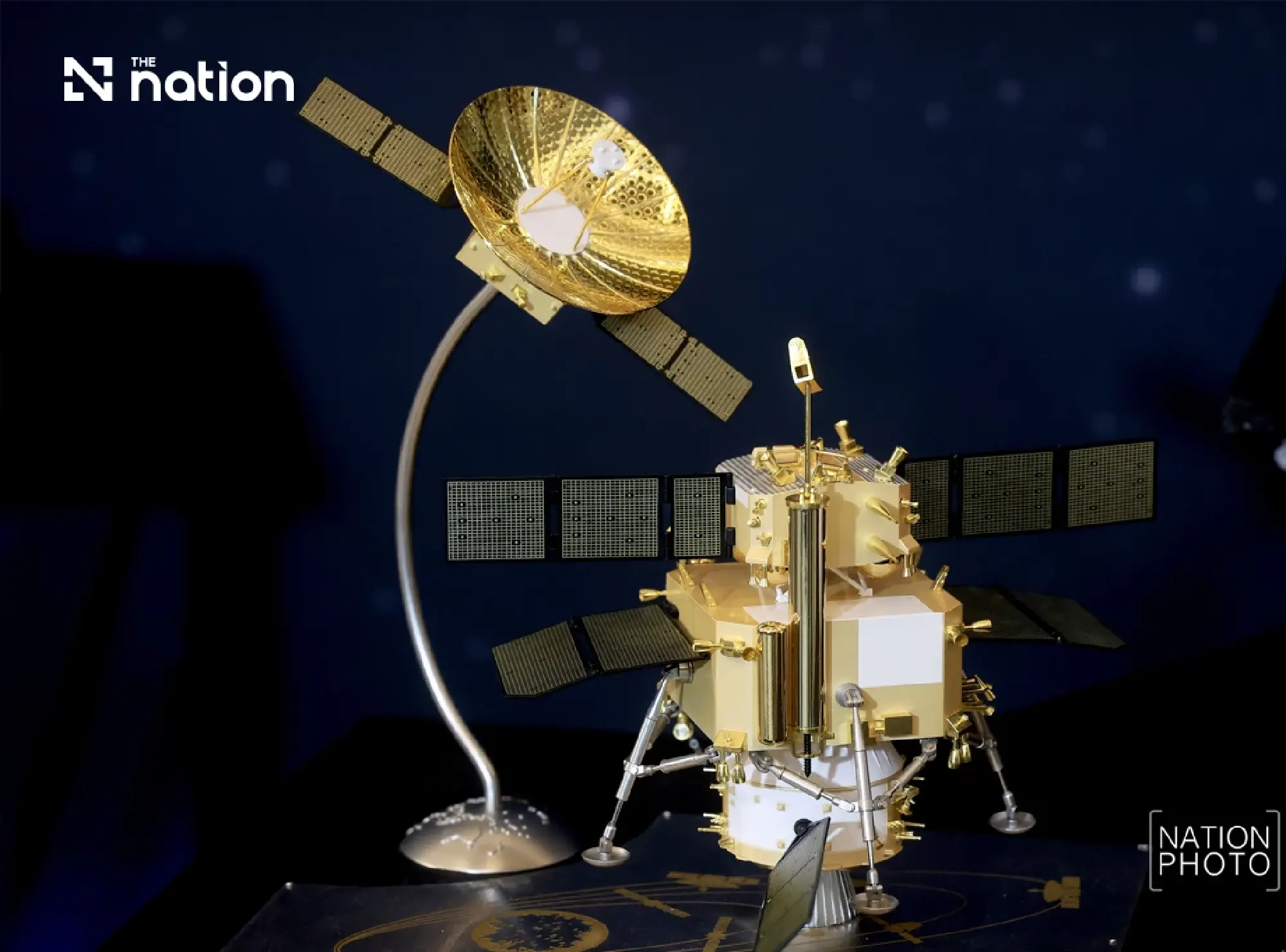
The government views the mission as part of efforts to develop Thailand’s space economy, using advanced technology to move the country from an innovation user towards an innovation creator.
The initiative aims to strengthen Thailand’s capabilities in frontier technologies while developing engineers with international-level expertise.
Thailand aims to inspire future STEM talent
Beyond the scientific mission, officials said the project also focuses on developing future generations of scientists and engineers.
MHESI and the Ministry of Education are collaborating with Thai PBS and Sea (Thailand) to broadcast the Chang’e 7 launch to more than 3 million students nationwide.
The initiative will use digital platforms to expand access to STEM education and encourage young people to pursue science and technology careers.
“We want Thai children to see this historic moment live and understand the real process behind the mission, so they realise that Thai people can create world-changing technology and reach the Moon,” Yotsanan said.
Live coverage planned for Chang’e 7 launch
The launch of Chang’e 7 carrying the CE-7 MATCH payload will be broadcast online on August 24 through platforms including NARIT, the Ministry of Education’s MOE 360, Thai PBS and Thai PBS Sci & Tech.
Additional coverage and educational content will be shared through NARIT, the Ministry of Education and Shopee Thailand throughout the mission.
The project represents Thailand’s latest step in expanding its role in international space research and building domestic expertise in advanced science and engineering.
