
USS Abraham Lincoln to visit Thailand for rest, not drills
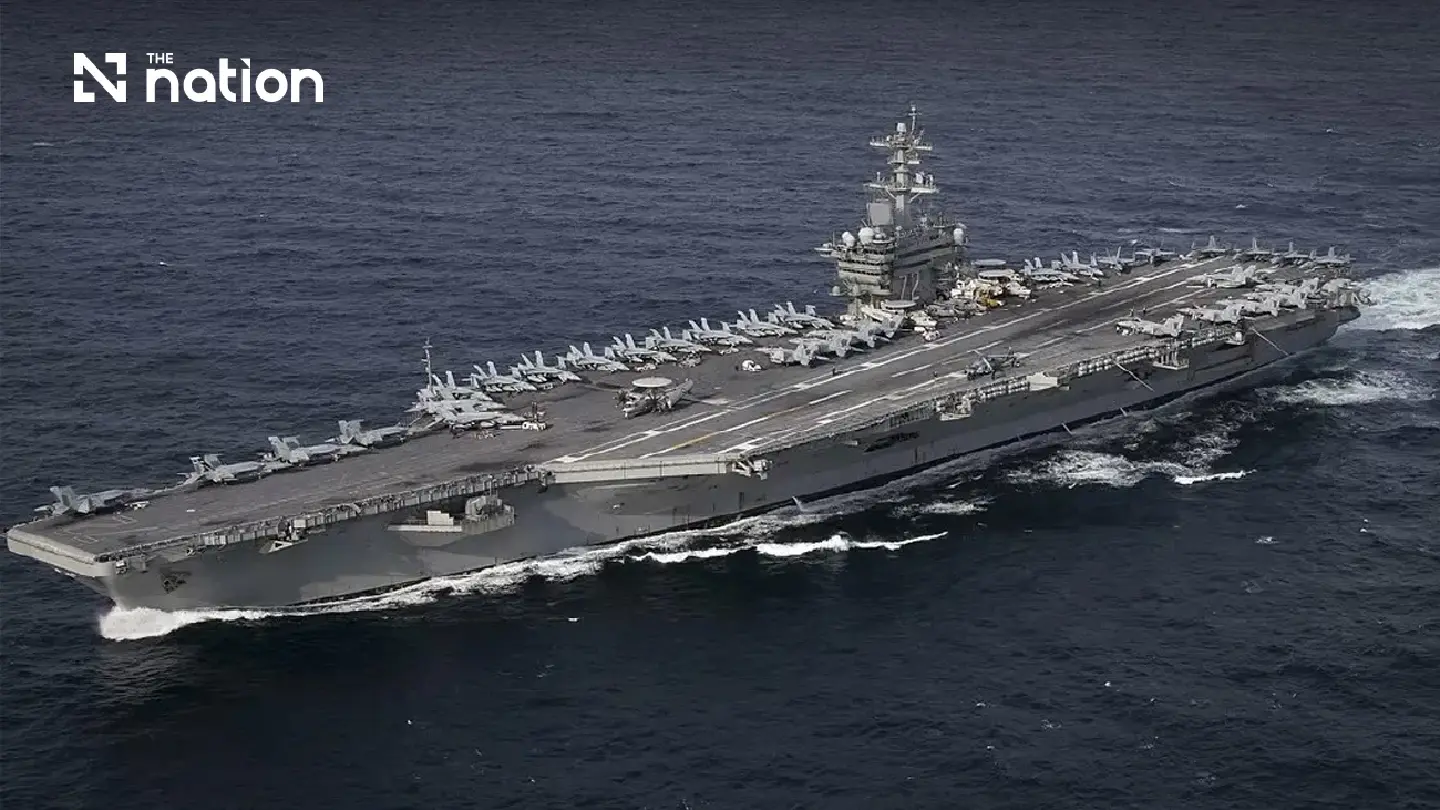


Thailand says the US Navy ship will call from September 2-6 for crew recovery after a 250-day Middle East deployment, with no joint operations planned.
Thailand’s Defence Ministry has rejected online speculation that the forthcoming visit of USS Abraham Lincoln involves joint exercises or operations with the Royal Thai Navy, saying the port call is solely for crew rest after a 250-day Middle East deployment.
Rear Adm Surasant Kongsiri, the Defence Ministry spokesman, said on Wednesday (August 26, 2026) that the US Navy ship would visit Thailand from September 2-6, allowing its personnel to go ashore and recuperate before returning to their base in the United States.
Speaking at Royal Thai Armed Forces Headquarters, Surasant said US officials had indicated that crew members had experienced a degree of stress after spending 250 days aboard the vessel.
The visit was therefore intended to give them time to rest and relax after completing their Middle East mission, he said.
“There will be no joint operation of any kind,” Surasant said, denying suggestions circulated by some online media that the ship would conduct activities with the Thai Navy.
He said the port call was being handled under established arrangements between Thailand and the United States. US naval vessels had made similar rest visits to Thailand on several occasions in the past.
Surasant also described Thailand as one of the world’s leading tourism destinations, saying the decision by a large US vessel to make a port call reflected the country’s appeal as a place for personnel to rest before returning to base.
Crew to take shore leave after 250-day deployment
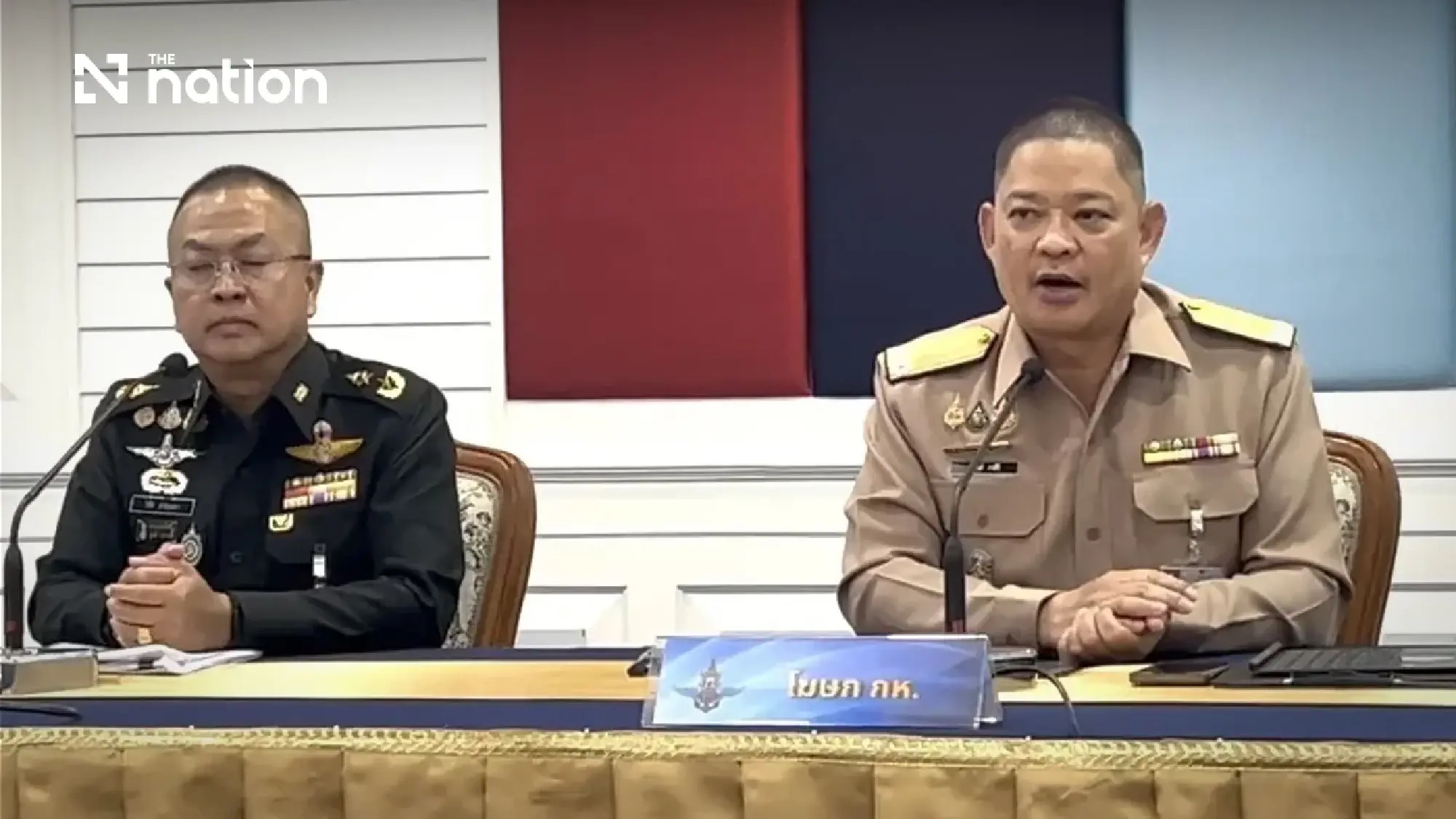
Surasant said the USS Abraham Lincoln visit was focused on restoring the wellbeing of personnel who had spent an extended period operating in the Middle East.
Crew members would be permitted to leave the ship during the September 2-6 port call, but the visit would not include training, exercises or operational activities with Thai forces.
The Defence Ministry’s clarification followed online questions about whether the ship’s arrival might form part of wider Thai-US military cooperation.
Surasant said that interpretation was incorrect and stressed that the visit should be viewed as a routine personnel-recovery stop.
Thai law to apply throughout port call
Asked whether special security measures would be required, Surasant said the arrangements would follow the same general model used when foreign personnel enter Thailand for the annual Cobra Gold military exercise.
Visiting personnel would be informed of the laws, regulations and conduct requirements they must follow while in Thailand.
“It does not mean that US personnel can do whatever they want,” he said. “They must comply with the laws of the country.”
Surasant said US authorities had also confirmed that they would instruct their personnel to observe Thai laws and local requirements.
Thai police and military police would supervise the visit alongside US military police assigned to oversee their own personnel.
The arrangements were intended both to maintain security and to ensure that crew members understood their responsibilities while ashore.
Officials reject Iran link and special treatment
Surasant was also asked whether the ship’s previous Middle East deployment and subsequent visit to Thailand could create difficulties in the country’s relations with Iran.
He said the issues were unlikely to be connected.
The visit was being conducted under existing Thai-US arrangements and was not part of any Middle East-related mission, he said.
Maj Gen Withai Laithomya, spokesman for the Royal Thai Armed Forces, separately stressed that Thailand would not supply ammunition or other dangerous materials to the vessel.
The purpose of the visit was limited to crew recovery, he said.
The Royal Thai Navy also maintained that it considers foreign naval port-call requests on an equal basis, regardless of whether they come from the United States, China, Russia or another country.
Thailand was willing to cooperate with all countries, officials said, and no state would receive preferential treatment over another.
