
Thai military cites UN reports in rejecting Hun Sen’s border claim
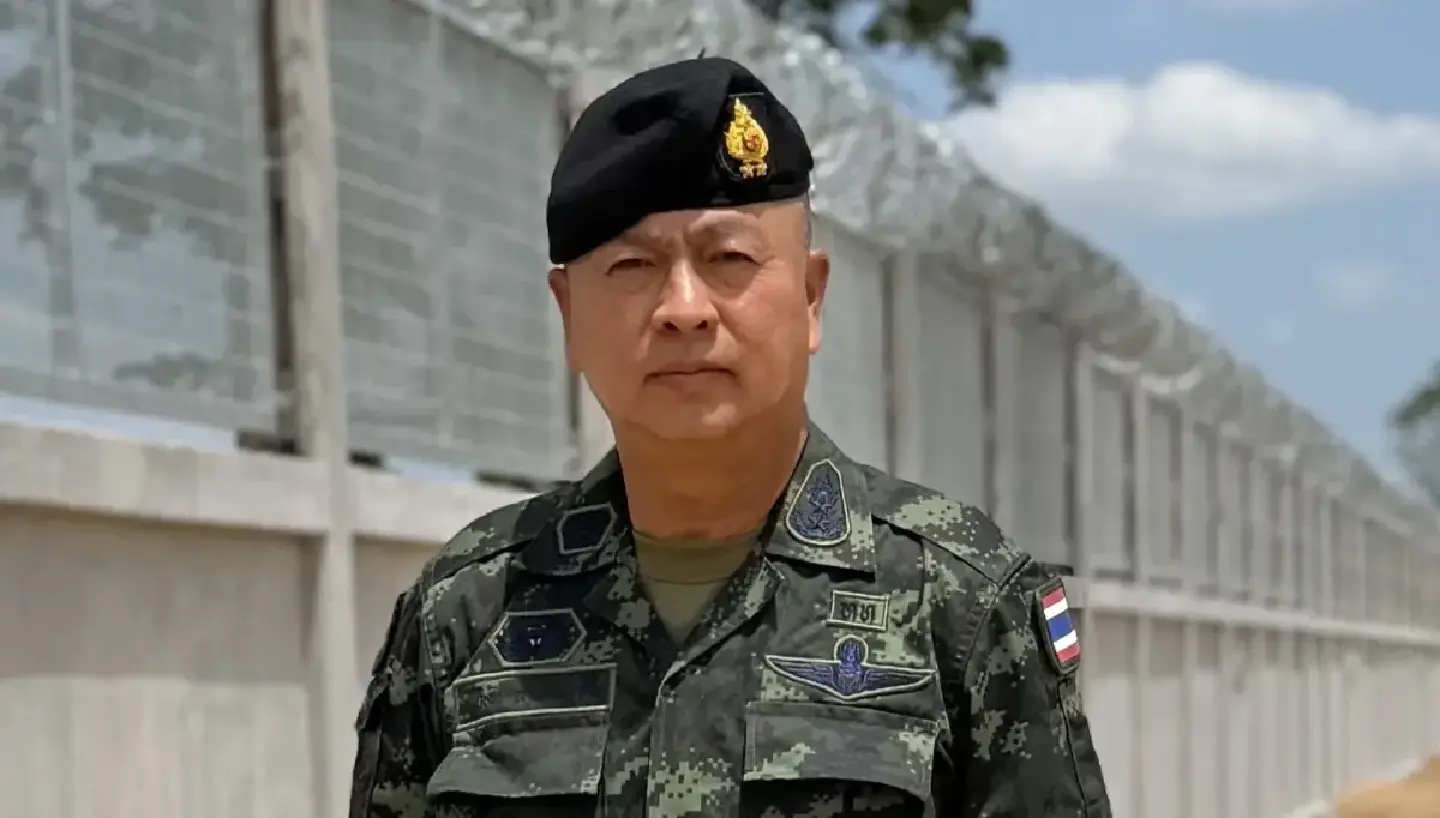


The Royal Thai Armed Forces has rejected Hun Sen’s claim that Thailand used anti-scam operations as a pretext to occupy border areas, citing UN findings.
The Royal Thai Armed Forces (RTARF) has categorically rejected an allegation by Cambodian Senate President and former prime minister Hun Sen that Thailand used efforts to suppress online scam and call-centre networks as a pretext to occupy areas along the shared border.
Maj Gen Withai Laithomya, spokesman for the Royal Thai Armed Forces Headquarters, said on Friday (August 28) that the issue should be considered on the basis of “verifiable facts” rather than political assertions. Hun Sen currently serves as president of Cambodia’s Senate.
Withai maintained that information concerning cybercrime bases, human trafficking and scam networks on the Cambodian side had not been fabricated by the Thai military or government, nor created to advance Thailand’s policy interests.
He said the concerns were supported by findings from the United Nations Office on Drugs and Crime (UNODC) and UN human rights reporting.
According to the military, the reports identified locations along Cambodia’s border and in special economic zones as centres for transnational criminal networks, involving forced labour, confinement, torture and the deception of victims from numerous countries.
UN reports have documented extensive cyber-scam operations in Southeast Asia and serious abuses against people trafficked into scam compounds, including deprivation of liberty, violence, forced criminality and degrading treatment.
Withai said Thai troop deployments and operations along the Thailand-Cambodia border were conducted under the Joint Statement of the 3rd Special General Border Committee, signed by the two countries on December 27, 2025.
He explained that the operations were intended to maintain security, prevent illegal activity and protect the public, and were unrelated to any attempt to use the scam issue as a justification for occupying territory. The agreement requires both sides to maintain troop positions established at the time of the ceasefire and refrain from entering the other side’s territory or positions.
The military argued that linking border deployments with the crackdown on scam networks was inconsistent with the facts and risked misleading the public.
It said such claims could also divert attention from transnational crime and online fraud networks, which have become major threats requiring a coordinated international response.
The RTARF called on Cambodia to focus on international cooperation and act on UNODC information and recommendations to suppress scam networks and transnational crime, rather than promoting narratives that could create misunderstandings and intensify tensions between the two countries.
Thailand and its armed forces would continue to operate under the law and international cooperation frameworks, while working with the United Nations and the wider international community to combat cybercrime, human trafficking and transnational criminal networks, the military said.
It added that such cooperation was necessary to achieve lasting security, public safety and peace across the region.
