
Pheu Thai’s new reality as coalition partner: cabinet quota tensions, Paetongtarn seen as party power hub
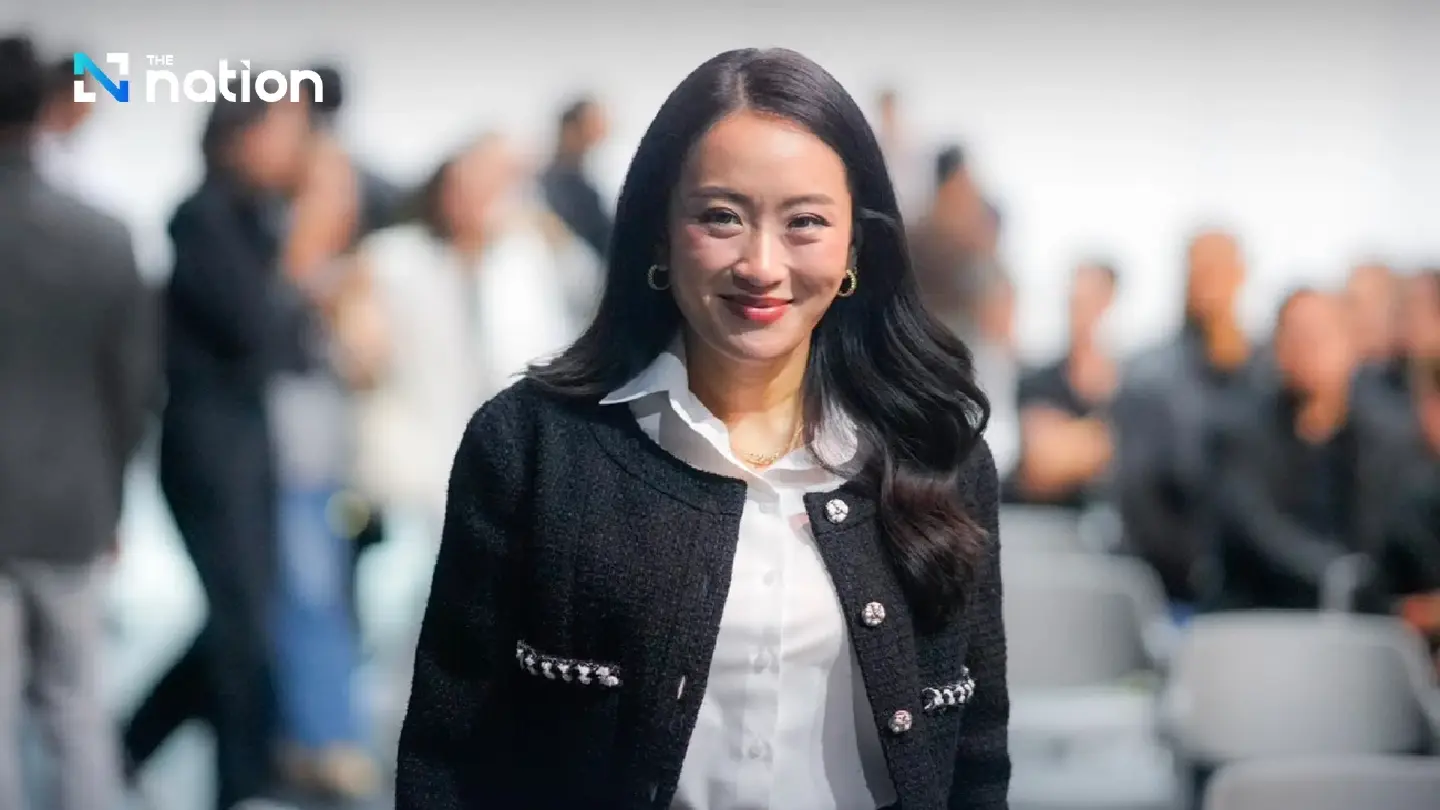


With Pheu Thai joining a Bhumjaithai-led coalition, the party faces pressure to rebuild popularity through performance. Internal jockeying over a quota of five ministers and three deputy ministers has exposed tensions between Shinawatra-aligned figures and influential local blocs, as Paetongtarn Shinawatra is positioned as the party’s new centre of gravity.
Thailand’s political chessboard has shifted from a “lead party” to a “supporting core”, leaving Pheu Thai Party facing a difficult task in rebuilding its standing and popularity. After deciding to join the “blue” government, the only clear path for Pheu Thai’s “red camp” ministers is to deliver results that are visible and measurable.
The ministerial quota of “five ministers plus three deputy ministers” has become Pheu Thai’s key stake in joining a Bhumjaithai Party-led coalition. It also places the Shinawatra family in a constrained position, shifting from being “the chooser” to being “chosen”, as political leverage is no longer what it once was.
Previously, there were reports that Somsak Thepsuthin and Suriya Juangroongruangkit were being blocked from cabinet roles in an Anutin cabinet by senior figures in the blue camp.
However, Pheu Thai held firm, insisting it would select its own ministerial candidates—forcing the blue camp to step back. Yet with more names than available seats, only Suriya is now seen as safely in, while Somsak is widely viewed as at high risk of missing out.
After that, speculation over the cabinet list and Pheu Thai’s internal appointments continued to fuel division. Questions have been raised over fairness if quotas were to reflect MP numbers and post-election performance. Observers note that both Julapun Amarnvivat (party leader) and Prasert Chantararuangthong (secretary-general) have relatively few MPs directly aligned with them compared with influential “big house” blocs in several provinces, which delivered larger MP tallies to the party even without sweeping entire provinces.
Cracks within Pheu Thai are unlikely to heal quickly. Many “big house” groups recall earlier lessons from the Srettha cabinet through to the Paetongtarn cabinet, where informal understandings were overtaken by political collapse. This time, few are counting on past promises; they want ministerial positions as immediate compensation.
With “the big boss” Thaksin still in prison, internal management and reconciliation among senior figures and MPs remains difficult. In recent weeks, “the younger boss” Paetongtarn has been seen visiting the prison frequently to consult her father.
The core of their discussions has reportedly been the need to balance ministerial quotas between Shinawatra-aligned figures and provincial “big house” blocs, to avoid damaging the party as a whole.
Although Khun Ying Potjaman Damapong has previously stepped in to manage affairs temporarily and close out the main “five minister” quota with the coalition’s lead party, some “big house” groups remain unhappy with certain placements.
Attention is now on whether the following allocations could still change at the last minute: Julapun Amarnvivat as Labour Minister; Prasert Chantararuangthong as Education Minister; and Sudawan Wangsupakitkosol as Minister of Social Development and Human Security.
Meanwhile, two seats linked to the party’s prospective leadership and capital groups appear settled, with Yodchanan Wongsawat expected to take the Higher Education, Science, Research and Innovation portfolio, and Suriya Juangroongruangkit expected to become Agriculture and Cooperatives Minister.
As for the remaining three deputy minister posts, these are expected to be allocated to MP groups and “big house” blocs that have maintained their bases. Names cited as candidates include Pattana Sapsor (MP, Sakon Nakhon), Wirat Phimphanit (MP, Kalasin), Supachai Nopkham (MP, Pathum Thani), and Piyaratch Tiyapairat (MP, Chiang Rai).
With the party in a “sub-100” condition, there are not enough positions for everyone. The party must therefore manage allocations carefully to avoid further shockwaves—forcing the Shinawatra family to loosen its grip on roles reserved for close allies, particularly the “air-conditioned room team” that may be cut first.
As for Somsak Thepsuthin, described as a key operator who missed out in the first round, attention remains on what form of compensation he may receive in recognition of his work, even if outcomes fall short of expectations.
Still, Pheu Thai retains a pathway back into political power. The party’s next reorganisation will be closely watched—particularly after “the big boss” regains freedom and is forced to reduce his visible political role, with “the younger boss” expected to take on a larger management role to support the next generation of political heirs, such as Yodchanan.
For now, Paetongtarn remains the head of the Pheu Thai family and is being positioned as the party’s emerging centre of power, tasked with steering Pheu Thai back towards the front row of Thai politics.
