
OUTRIGGER strengthens Thailand’s resort sector with luxury focus



OUTRIGGER chief Jeff Wagoner says Thailand remains a resilient luxury resort market, with Phi Phi set to become one of the group’s flagship properties.
OUTRIGGER Hospitality Group is deepening its commitment to Thailand’s luxury resort market, with its newly opened Phi Phi Island property set to become one of the brand’s most important beach destinations, according to the group’s president and CEO, Jeff Wagoner.
Speaking in an exclusive interview with The Nation, Wagoner said Thailand remained one of OUTRIGGER’s strongest tourism markets, supported by international demand, domestic travel and the country’s ability to rebound quickly from disruption.
“Our goal is to be the premier beach resort company in the world,” he said. “We work hard every day to make sure that we care about our people, our guests and the place where our resorts are located.”
Long-term confidence in Thailand
Wagoner explained that OUTRIGGER had been operating in Thailand for more than 15 years, with past and present assets across key resort destinations including Phuket, Koh Samui, Khao Lak and now Phi Phi Island.
He described Thailand as a “fabulous tourism market”, pointing to the country’s handling of the Covid-19 recovery as an example of its ability to restore travel confidence.
“When you look back at the Covid-19 pandemic, a lot of people found it difficult getting travel to return,” he said, praising Thailand for getting “on board” with finding a solution to bring tourism back.
Wagoner said Thailand’s visitor base was highly diverse, with key source markets including China, Russia and India. However, he said what made Thailand stand out from other resort destinations was the strength of its domestic travel market.
“Not only do you have international tourism that comes here, but there is also local tourism that is a really big piece of the resort market in Thailand,” he said.
Luxury travel remains resilient
Asked about global uncertainty, including energy-related pressure on travel, Wagoner said there had been disruption across tourism and travel more broadly. However, he said the upper-upscale and luxury segments had remained relatively strong.
He added that some travellers had delayed rather than cancelled their trips, helping support future resort bookings.
“Some people did pause. This did create some uncertainty. But those individuals did not just say, ‘I am not going to travel.’ They postponed their travel plan,” he said.
Phi Phi resort brings ‘barefoot luxury’ to Thailand
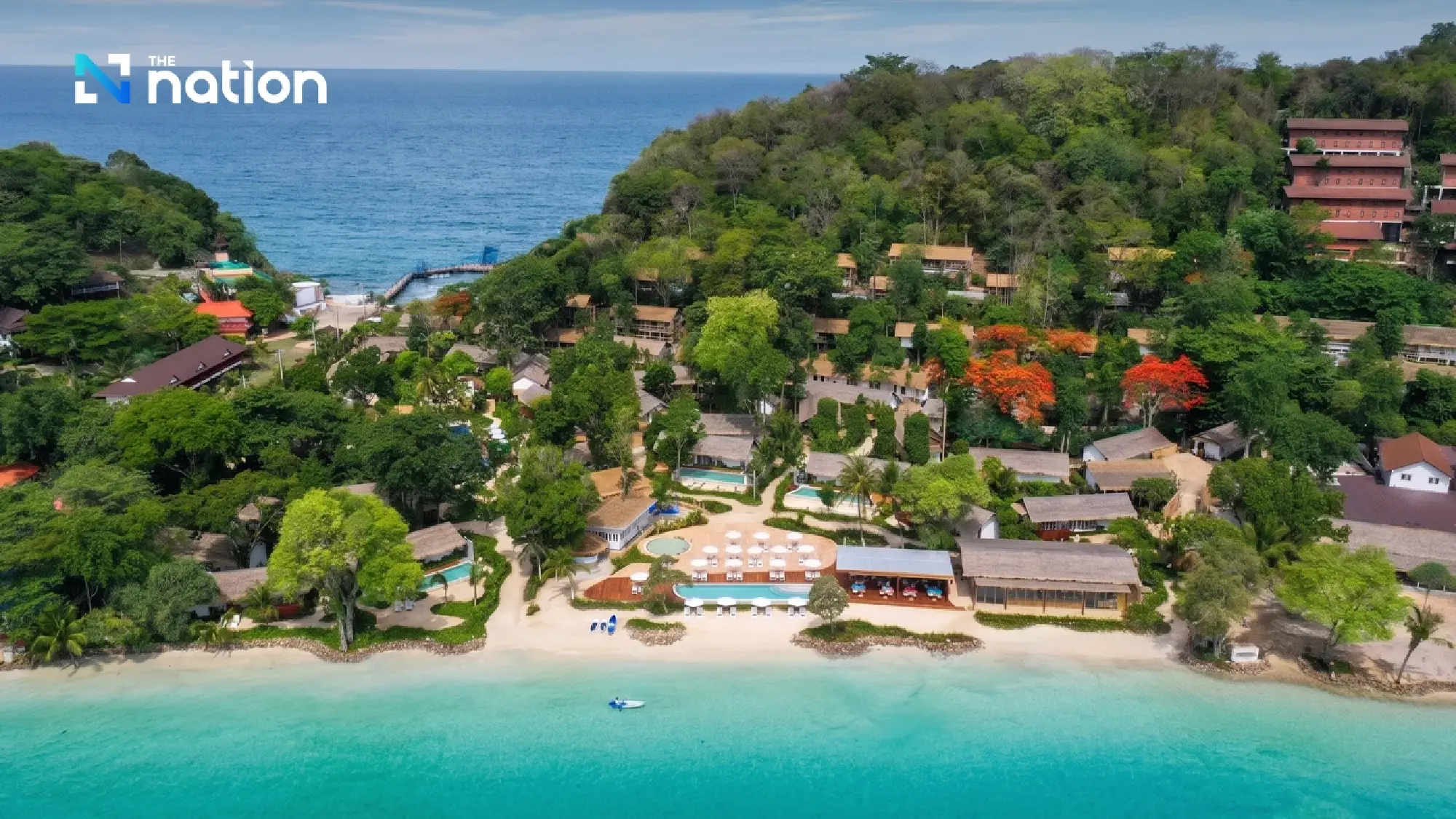
OUTRIGGER Phi Phi Island Resort, formerly Zeavola, opened in May 2026 after extensive refurbishment. Wagoner said he believed it would become “one of our most iconic resorts”.
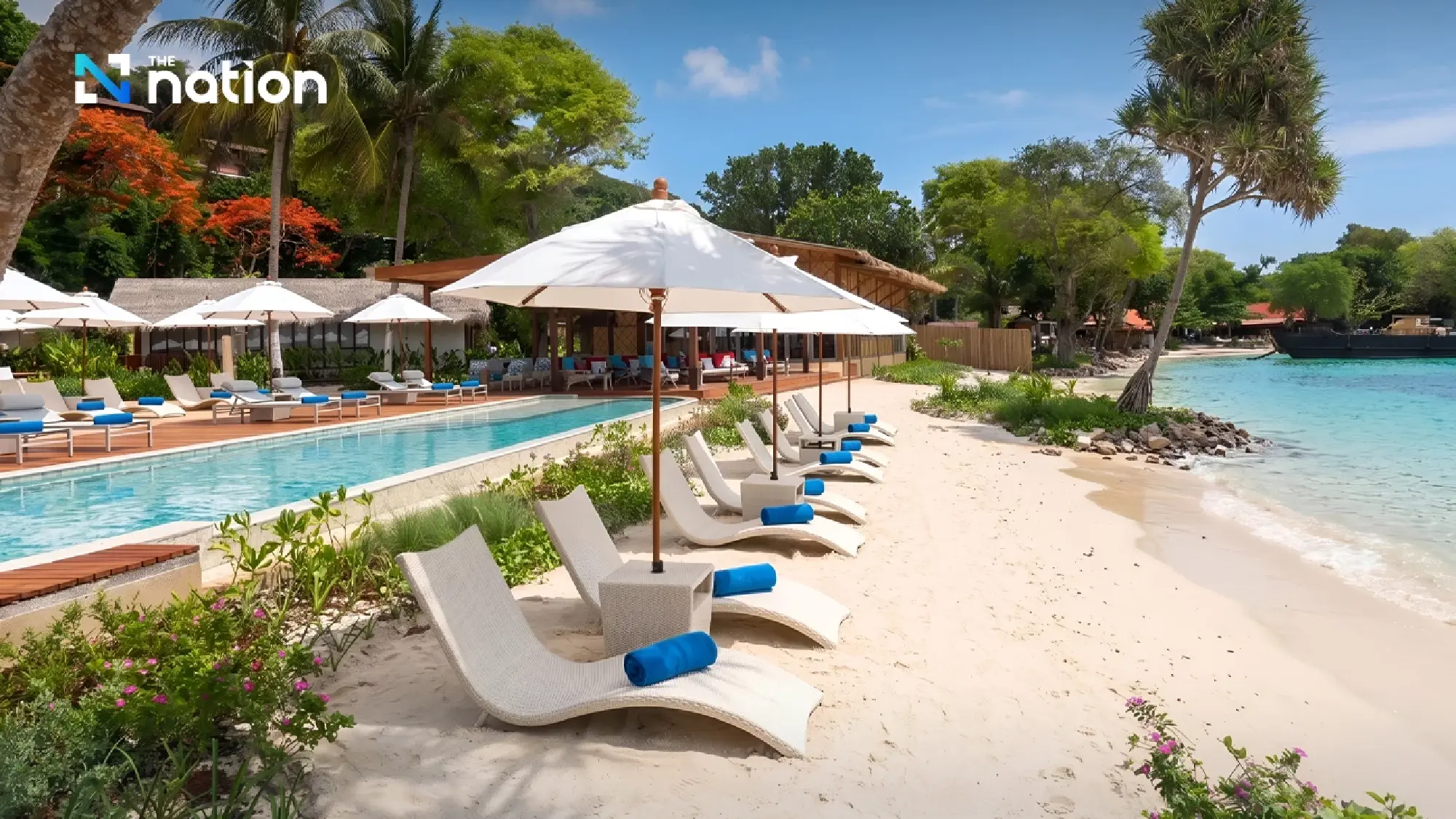
The resort was designed around the concept of “barefoot luxury” — a style of high-end hospitality that is relaxed, natural and unpretentious. It is intended to feel comfortable whether guests are dressed for dinner or walking through the property in swimwear and a T-shirt.
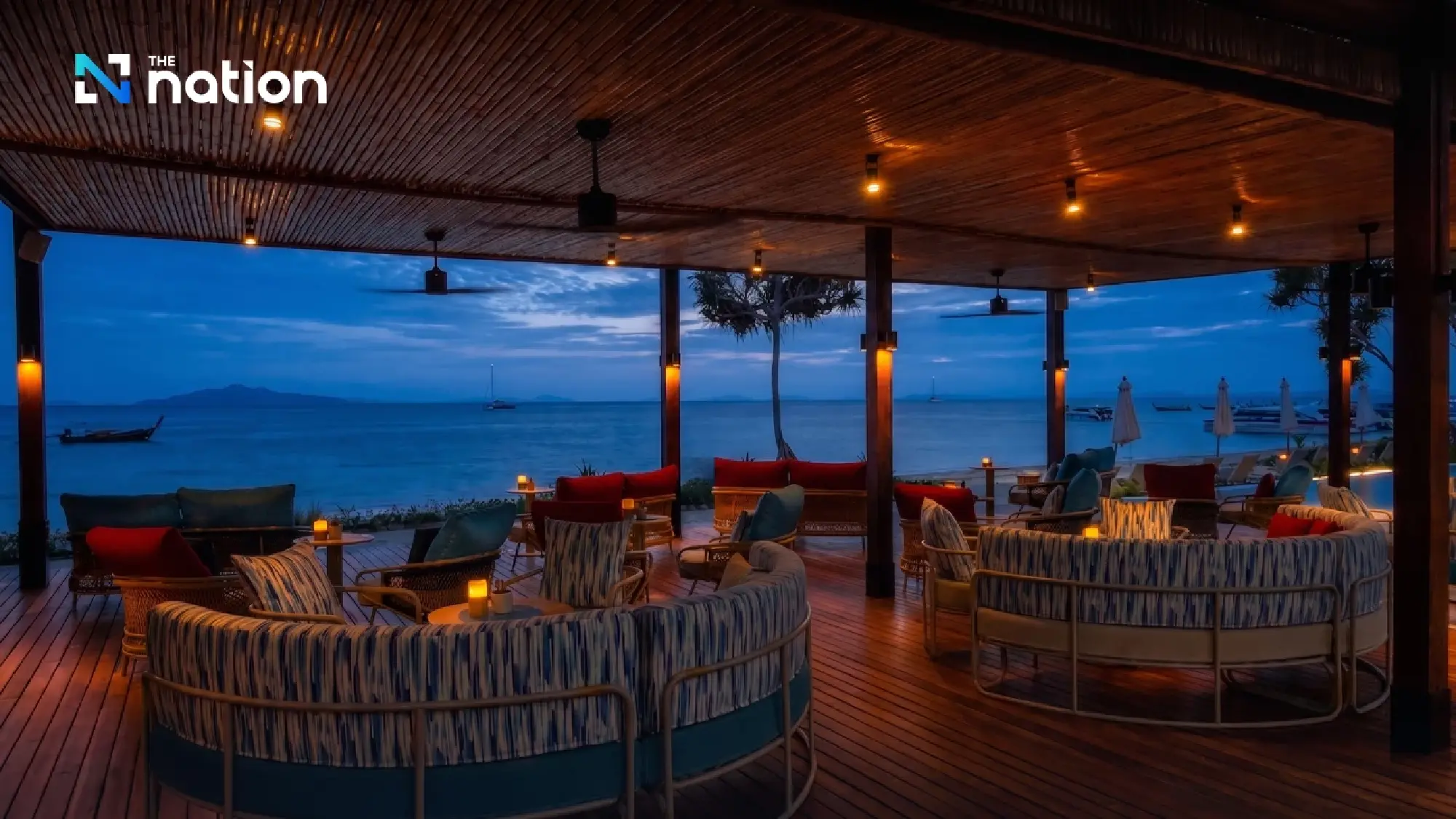
The resort sits in a national park setting and includes landscaped grounds, beachside recreation, stand-up paddleboarding, diving, snorkelling, a kids’ club, a spa, restaurants, a bar, pools and villas with private pools.
Wagoner noted that Phi Phi had long been on OUTRIGGER’s radar, adding that he first visited the island around eight years ago while looking at a potential property. He said the property’s natural setting, combined with its upgraded facilities, placed it strongly within Thailand’s broader luxury tourism landscape.
“This really is a unique property,” he said. “I think it is going to be one of the really special destinations in all of Thailand as we move into the future.”
Authenticity and sustainability shape OUTRIGGER’s resort model
Wagoner explained that OUTRIGGER had retained most of the resort’s employees after acquiring the property and developing it into OUTRIGGER Phi Phi Island Resort.
He added that the renovation had also created economic activity for the local market, with hundreds of construction workers involved over the past year.
“I think that authenticity is very important,” he said. “We have a playbook where we go in and we say, ‘What happened on this land? What happened with the people in this area? What happened before us? And how do we preserve that? How do we celebrate that and make that a special part of each one of these properties?’”
Wagoner said sustainability would be a key part of OUTRIGGER’s Phi Phi operations, particularly because of the area’s marine environment and coral ecosystems.
He said coral protection programmes differed by location. In Phi Phi, the group would focus on avoiding disruption to existing coral while looking at ways to help preserve it. He added that guest education would also be important, especially around coral-safe behaviour.
“It is important that they do not harm the coral, that they know not to touch it and that they know to use sunscreen that is safe for the coral,” he said.
OUTRIGGER also plans to include coral reef education in its Coral Kids’ Club, helping younger guests understand marine conservation during their stay.
OUTRIGGER eyes further Thailand expansion
Wagoner said OUTRIGGER’s ambition was not limited to Asia-Pacific, but to become “the premier beach resort company in the world”, with a continued focus on people, guests and the destinations where it operates.
Over time, he said, OUTRIGGER would continue to add high-quality properties to its portfolio. The group has already renovated most of its resorts, while three properties in Hawaii are currently undergoing upgrades.
“When those properties are completed, every single property will have been renovated to a very high quality,” he said. “When we talk about luxury and luxury travel, the brand is at a very different place today than it was 15 years ago.”
Thailand remains firmly on OUTRIGGER’s radar for future growth, particularly Phuket, where the group already has a corporate office and an operational base to support additional resorts in Thailand and across Asia-Pacific.
Wagoner added that Thailand had become a more stable resort market compared with the past, when the country’s tourism sector saw sharper peaks and troughs. He said global economic issues could still affect travel, but Thailand’s tourism fundamentals remained strong.
“From a Thailand travel stability perspective, I think it is a great market for us to be in,” he concluded.
