
Misty trails, rare blooms — Phu Hin Rong Kla turns green


Phu Hin Rong Kla National Park is welcoming green-season visitors with rare Thismia submucronata and colourful begonias in bloom
Phu Hin Rong Kla National Park in Phitsanulok is entering one of its most atmospheric periods of the year, as early monsoon rain brings fresh greenery, mist-covered peaks and rare forest plants into view.
The park has become especially attractive for nature lovers this month, with a rich ecosystem allowing a variety of wildflowers and seasonal plants to bloom across its forest trails.
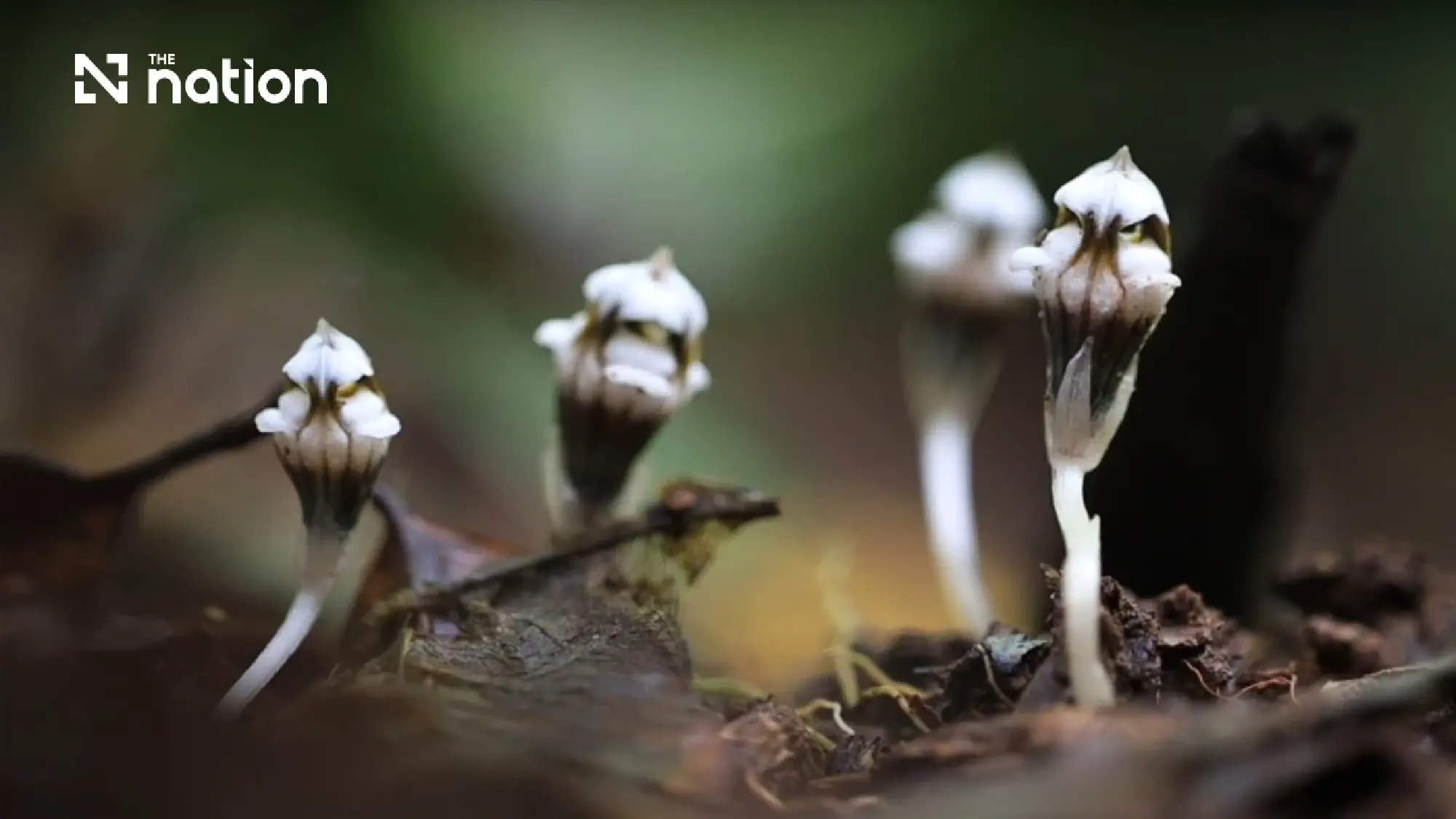
Among the most unusual sights is Thismia submucronata, known in Thai as “Phitsawong Ta Pisat”, or the “devil’s eye” Thismia.
The tiny plant, a species newly discovered in Thailand, is so small that many visitors could easily walk past it without noticing.
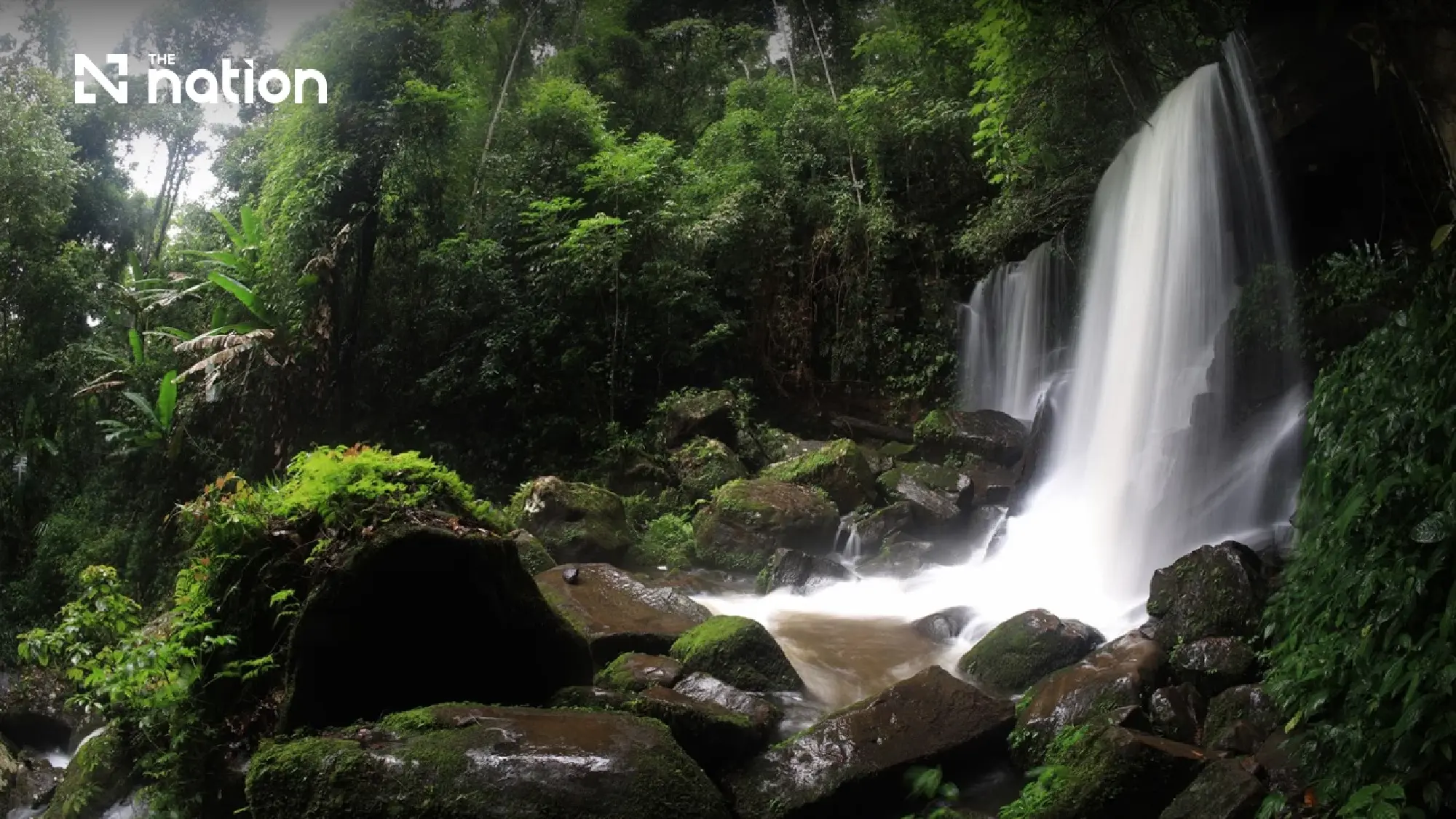
It can currently be seen in the area around Romklao-Pharadon Waterfall, where park conditions have become suitable for its brief seasonal appearance.
Unlike most plants, Thismia submucronata does not photosynthesise. It survives through a relationship with fungi in the soil and is classified as a myco-heterotrophic plant.
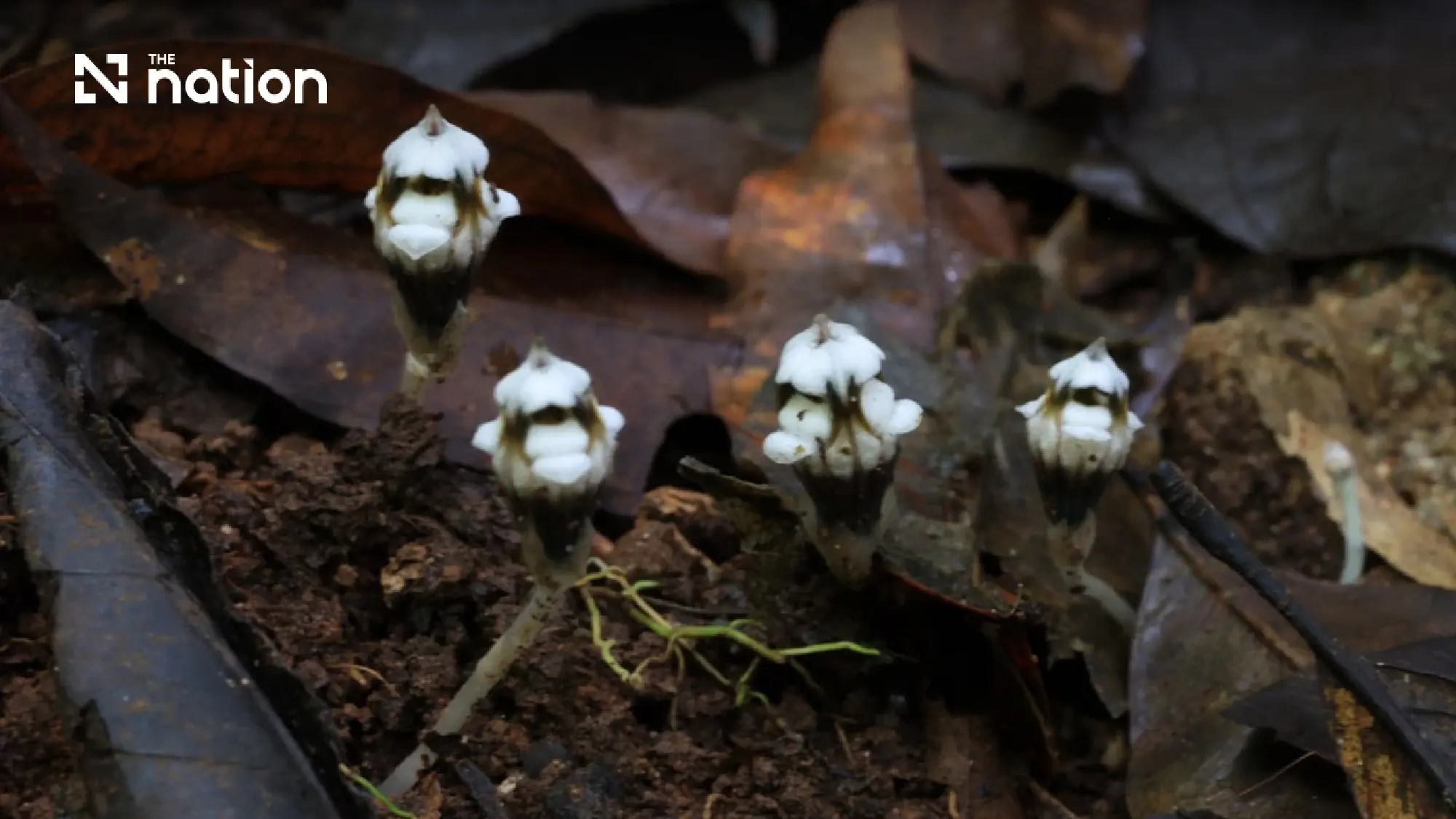
It is usually found on damp forest floors covered with leaf litter and fallen branches, particularly near waterfalls and streams.
The plant grows in fertile evergreen forest at elevations of around 1,200 to 1,300 metres above sea level. It is most likely to be seen between May and July.
Its unusual shape, mysterious colouring and highly specialised way of life have made it one of the rare forest plants many nature enthusiasts hope to encounter at least once.
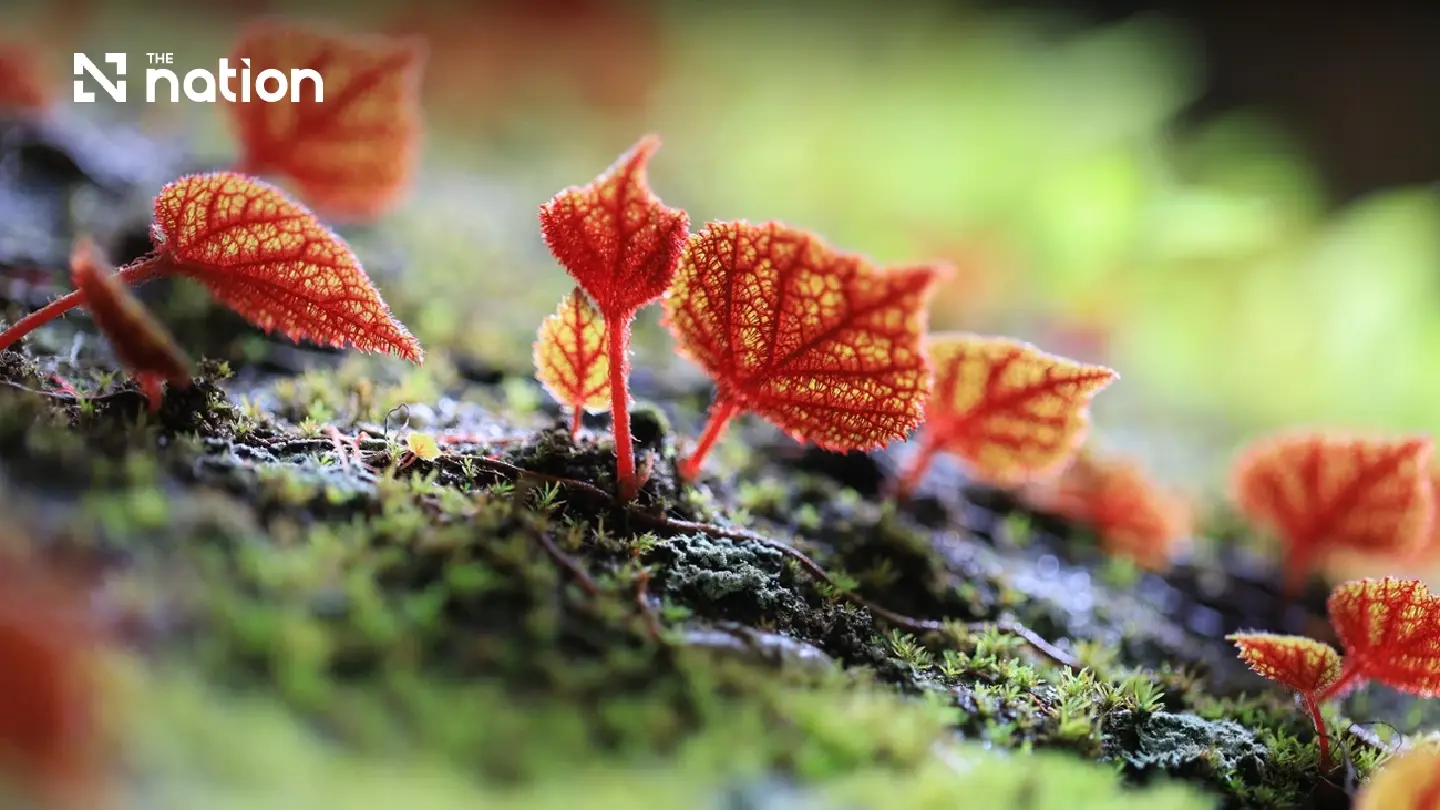
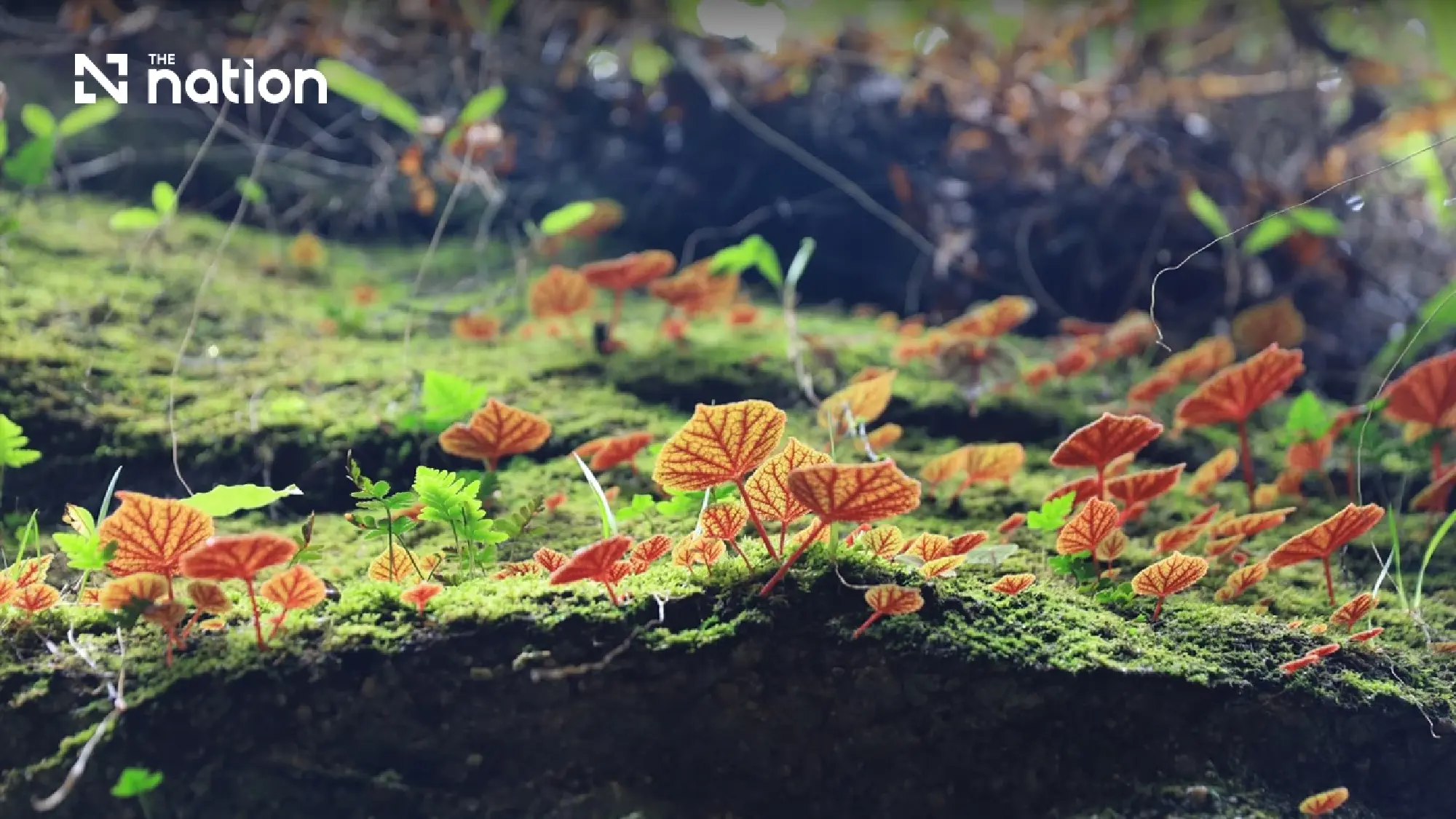
The park is also seeing the seasonal emergence of begonias around the air-raid shelter area and Man Daeng unit, where the plants grow on large rock formations.
When sunlight passes through their leaves, the begonias take on striking red and orange tones, creating a vivid contrast against the wet stone and green forest.
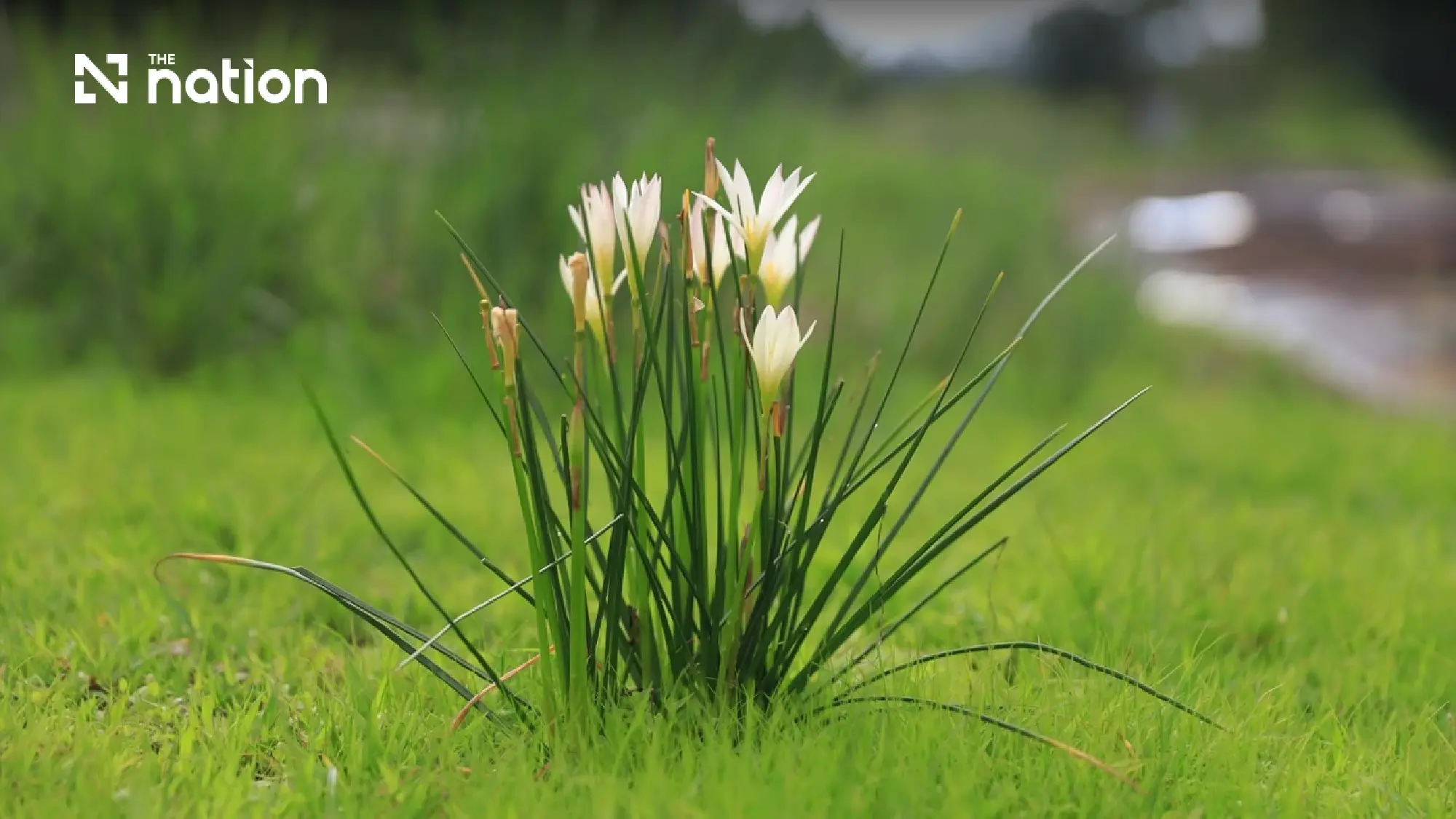
Begonias, known locally as “som kung”, are short-lived ornamental flowering plants.
In the wild, they are commonly found on rocky surfaces and are especially abundant along the Lan Hin Pum–Pha Chu Thong walking route. They usually flower from June to August each year, drawing steady numbers of visitors to see their seasonal beauty.
Acting Sub Lt Sirapop Phongphut said Phu Hin Rong Kla National Park offers a very different but equally impressive experience during the rainy season compared with the more popular winter months.
He said the mountain forest, sitting at around 1,300 to 1,400 metres above sea level, is often covered by rain clouds during this period.
As visitors walk through the area, clouds and fine drizzle drift across the trails, creating a soft white mist over the landscape.
One of the recommended routes is the three-kilometre trail to Lan Hin Pum and Pha Chu Thong, where visitors can see headwater streams flowing across the stone plateau, along with wildflowers blooming in the rainy-season forest.
