
Trump rejects Iran peace push, says nuclear issue must be settled first
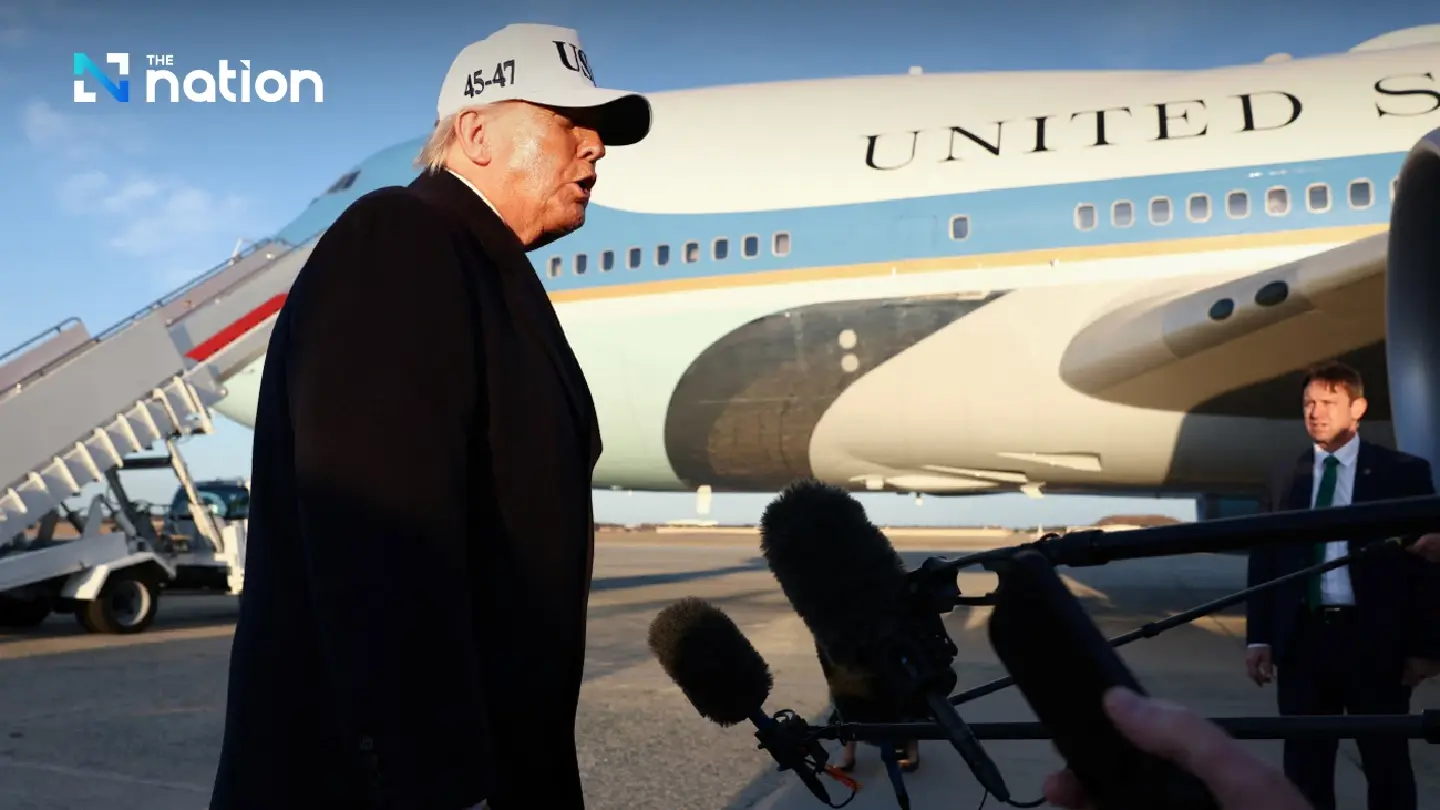


Donald Trump says he is “not ready” to make a deal with Iran, signalling that any acceptable settlement must go beyond a ceasefire and address Tehran’s nuclear programme, while mediation efforts stall and allies stop short of backing a new Hormuz mission.
President Donald Trump said in an NBC News interview on Saturday that he was “not ready” to make a deal with Iran, rejecting the current terms for ending the war and hardening Washington’s line as the conflict entered its third week. Reuters, citing the interview, reported that Trump said Tehran appeared ready to negotiate, but that “the terms aren’t good enough yet.”
No quick return to diplomacy
Trump’s remarks amounted to a fresh setback for ceasefire efforts. Reuters reported that mediation attempts by Oman and Egypt have stalled, with the Trump administration brushing aside efforts to open talks even as regional tensions and energy-market strains deepen.
Nuclear programme remains the core demand
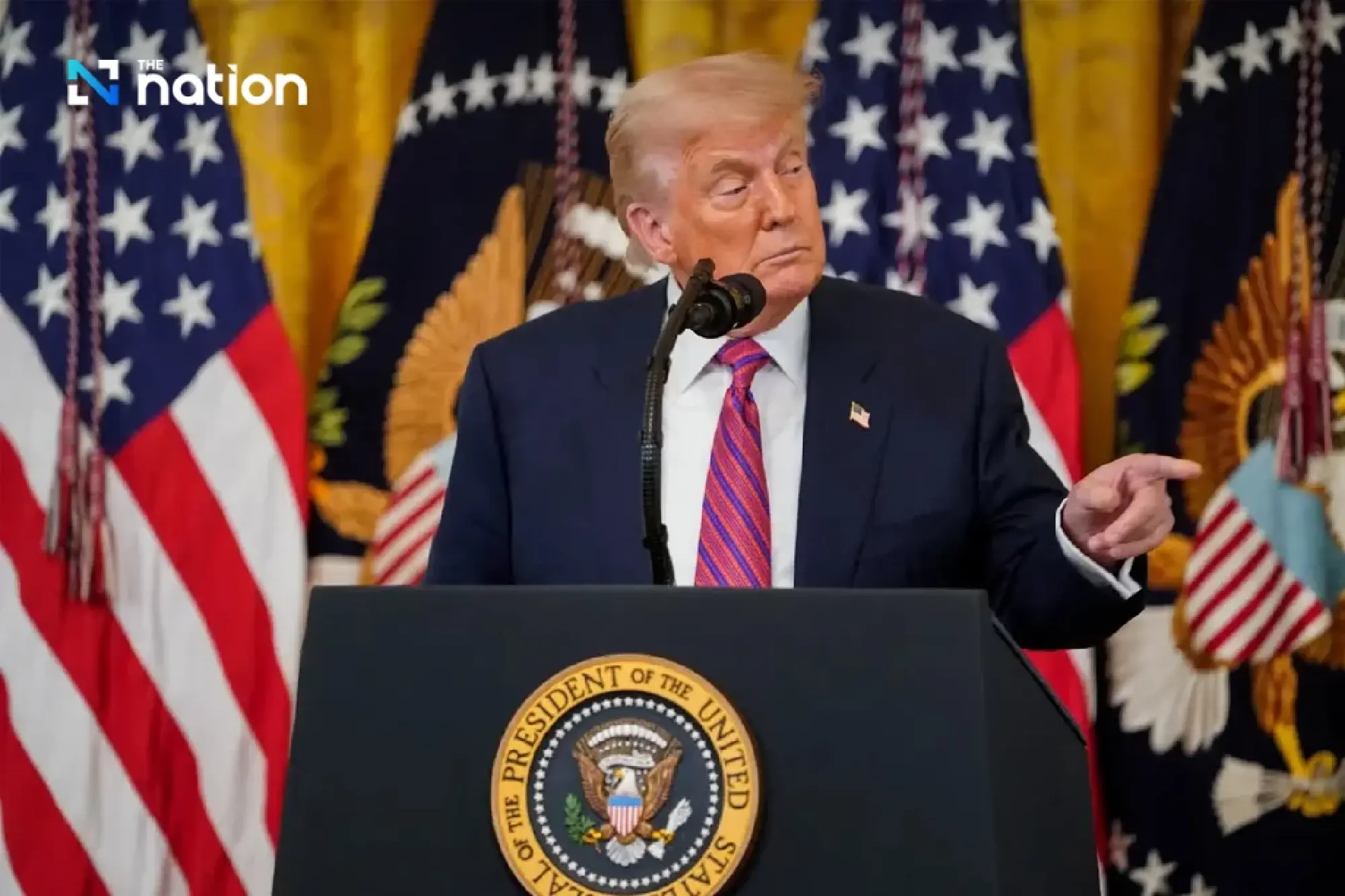
The interview underscored that, for Trump, a ceasefire alone is not enough. The wider U.S. position has been that any deal must prevent Iran from obtaining a nuclear weapon, and Reuters previously reported that Washington’s demand in pre-war diplomacy was for Tehran to give up uranium enrichment, a condition Iran rejected.
Trump also used the interview to keep up military pressure, warning of possible further strikes and insisting that Iran’s proposals so far fell short of what Washington would accept.
Hormuz appeal draws caution, not commitments
Beyond the peace talks, Trump renewed his call for other countries to help secure shipping through the Strait of Hormuz, a crucial route for global oil and LNG flows. But Reuters reported that none of the countries he named — including Britain, France, Japan, South Korea and China — had immediately committed to sending warships.
Britain has said it is working with allies on options to support commercial shipping, while France has framed its naval planning as defensive and escort-focused rather than part of a broader offensive campaign.
Conflict still shaping the wider agenda
The broader picture remains one of escalation rather than de-escalation. Reuters said the war has moved into its third week, with shipping disruption in the Strait of Hormuz continuing to rattle energy markets and diplomatic efforts failing to gain traction.
