
Trump eases Iran oil sanctions for 30 days to cap price surge
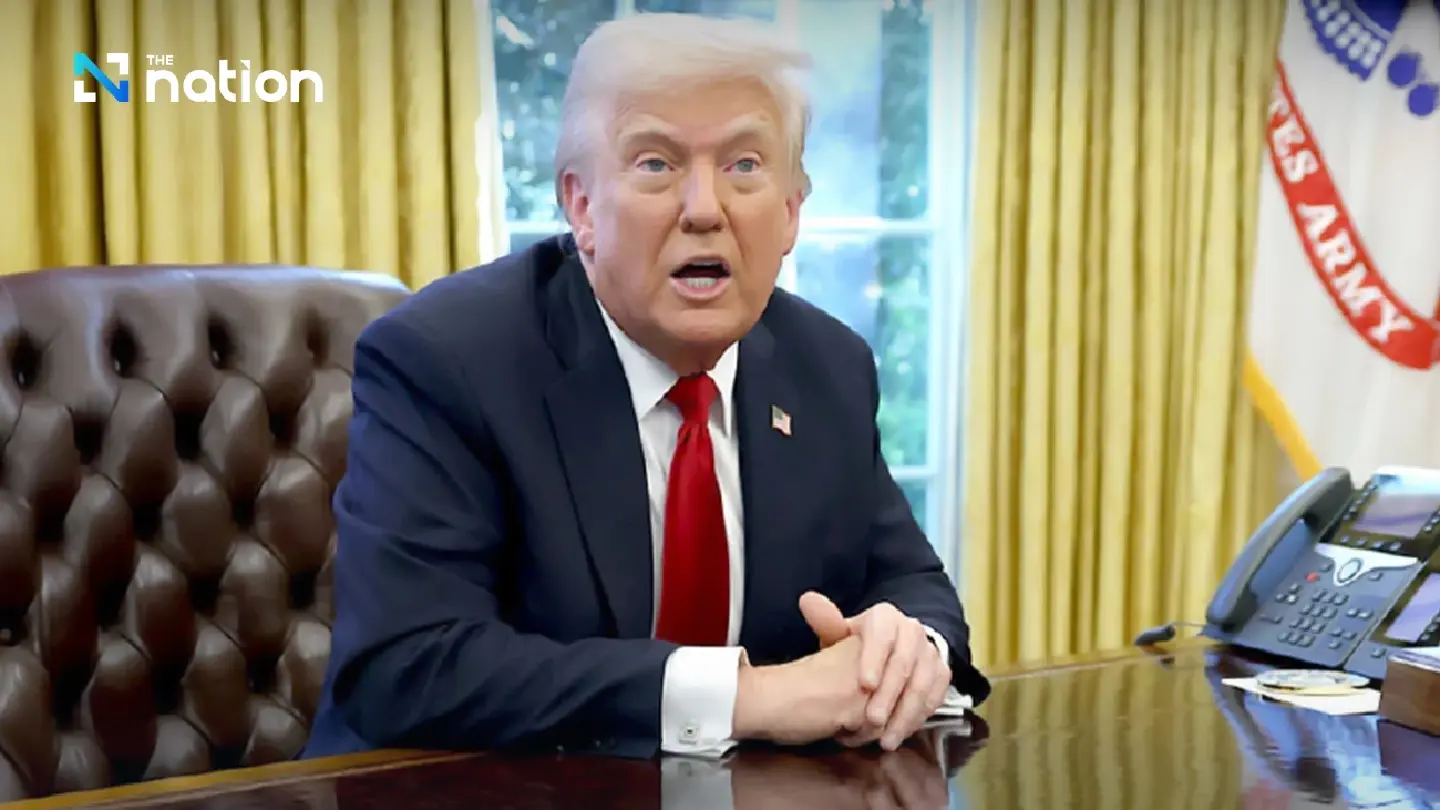


The Trump administration has issued a 30-day waiver for Iranian oil sales at sea, aiming to cool global crude prices after they surged above US$100 a barrel
The Trump administration has temporarily relaxed sanctions on Iranian oil for 30 days, allowing crude already stranded on tankers at sea to be sold in an effort to cool global oil prices after they surged during the war involving the United States, Israel and Iran.
Reuters reported on March 20 that the waiver is intended to bring about 140 million barrels of Iranian oil into the global market, easing pressure on energy supplies after crude prices rose above US$100 a barrel. Treasury Secretary Scott Bessent said the measure was designed to use Iranian oil supply to help push prices lower while Washington continued its military campaign.
The move comes after oil prices jumped roughly 50% since the US and Israel launched attacks on Iran on February 28. The price spike has been driven by escalating conflict across the Middle East and by Iran’s effective closure of the Strait of Hormuz, a vital route for about 20% of the world’s oil and liquefied natural gas flows.
The White House is also under pressure over the domestic political fallout from rising fuel costs, with concern that higher petrol prices could hurt US businesses and consumers ahead of the November midterm elections, when Republicans are seeking to retain control of Congress.
According to the licence posted on the US Treasury Department website, the waiver remains in effect until April 19. It allows the delivery and sale of Iranian crude oil and petroleum products that were loaded on vessels by Friday, as part of a narrowly limited transaction window. Cuba, North Korea and Crimea are excluded from the licence.
The measure is expected to benefit China, the largest buyer of Iranian oil. US Energy Secretary Chris Wright said supplies could reach Asian ports within three to four days, before entering the market after refining over the following 30 to 45 days.
Bessent said Iran would still face difficulty accessing any revenues generated by the move, and insisted Washington would maintain maximum pressure on Tehran and its access to the international financial system. He had signalled the move a day earlier, saying the release of the oil could help restrain prices for 10 to 14 days.
This is the third time in just over two weeks that Washington has temporarily eased sanctions on oil linked to US adversaries. Earlier waivers covered Russian oil stranded at sea, part of the administration’s broader effort to contain the energy shock triggered by the Middle East conflict.
Analysts said the move underscores how few options remain for Washington if the Strait of Hormuz stays shut. Brett Erickson of Obsidian Risk Advisors said the easing of sanctions suggested the rapid depletion of Washington’s economic toolkit, adding that the impact would remain limited unless shipping through the waterway resumes.
Source: Reuters
