
Iran urges India-chaired BRICS to back West Asia security plan
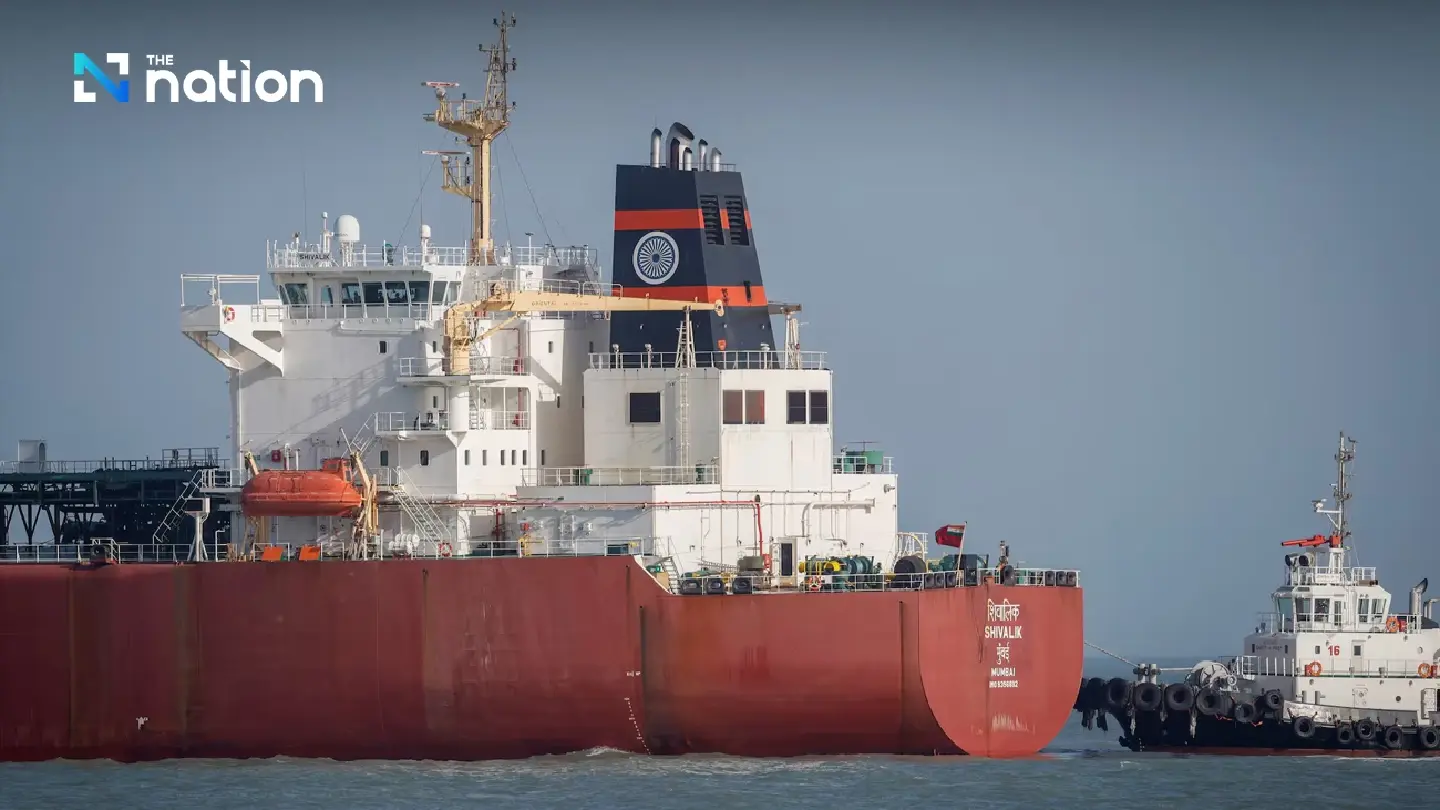


Iran’s president used a call with Narendra Modi to propose a West Asia-led security framework and seek a bigger BRICS role in halting hostilities, while India stuck to its line on dialogue, open shipping lanes and regional stability.
Iran has used a high-level call with Prime Minister Narendra Modi to push for a new regional security framework in West Asia, casting India-chaired BRICS as a possible diplomatic channel for ending the conflict. India’s public response, however, stayed focused on de-escalation, critical infrastructure and the need to keep shipping lanes open and secure.
Tehran pitches a region-led security framework
According to Reuters, citing Iran’s embassy in India, President Masoud Pezeshkian told Modi on Saturday that ending the war would require an immediate halt to what Tehran described as US-Israeli aggression, along with guarantees against a repeat of such attacks. He also proposed a security framework made up of West Asian countries without foreign interference and called on BRICS to play a more independent role in stopping hostilities against Iran. India holds the BRICS chair in 2026.
India stresses dialogue and maritime security
New Delhi’s official readout was notably narrower. In a statement from the Prime Minister’s Office, Modi said he had condemned attacks on critical infrastructure, warned that such strikes threaten regional stability and global supply chains, and reiterated the importance of freedom of navigation and secure international shipping lanes. The Indian statement also said Modi appreciated Iran’s support for the safety of Indian nationals in Iran, suggesting that India’s immediate priority remains stability rather than publicly endorsing a new regional security architecture.
Call underlines India’s wider stakes in the conflict
The exchange also highlights how exposed India is to a prolonged crisis in West Asia. India’s foreign ministry said earlier this month that almost one crore Indian citizens live and work in the Gulf region, while the country’s trade and energy supply chains also pass through the same geography. That helps explain why India has continued to frame the conflict around dialogue, diplomacy, maritime security and the protection of its nationals.
For Iran, the call appeared to be an effort to widen diplomatic support beyond Western-led channels by bringing BRICS into the discussion. Whether that develops further remains unclear, but the contrast in the two sides’ public messaging shows Tehran testing a region-first security idea while India keeps its emphasis on restraint, safe trade routes and stability.
