
G-7 finance chiefs seek to de-escalate Middle East tensions
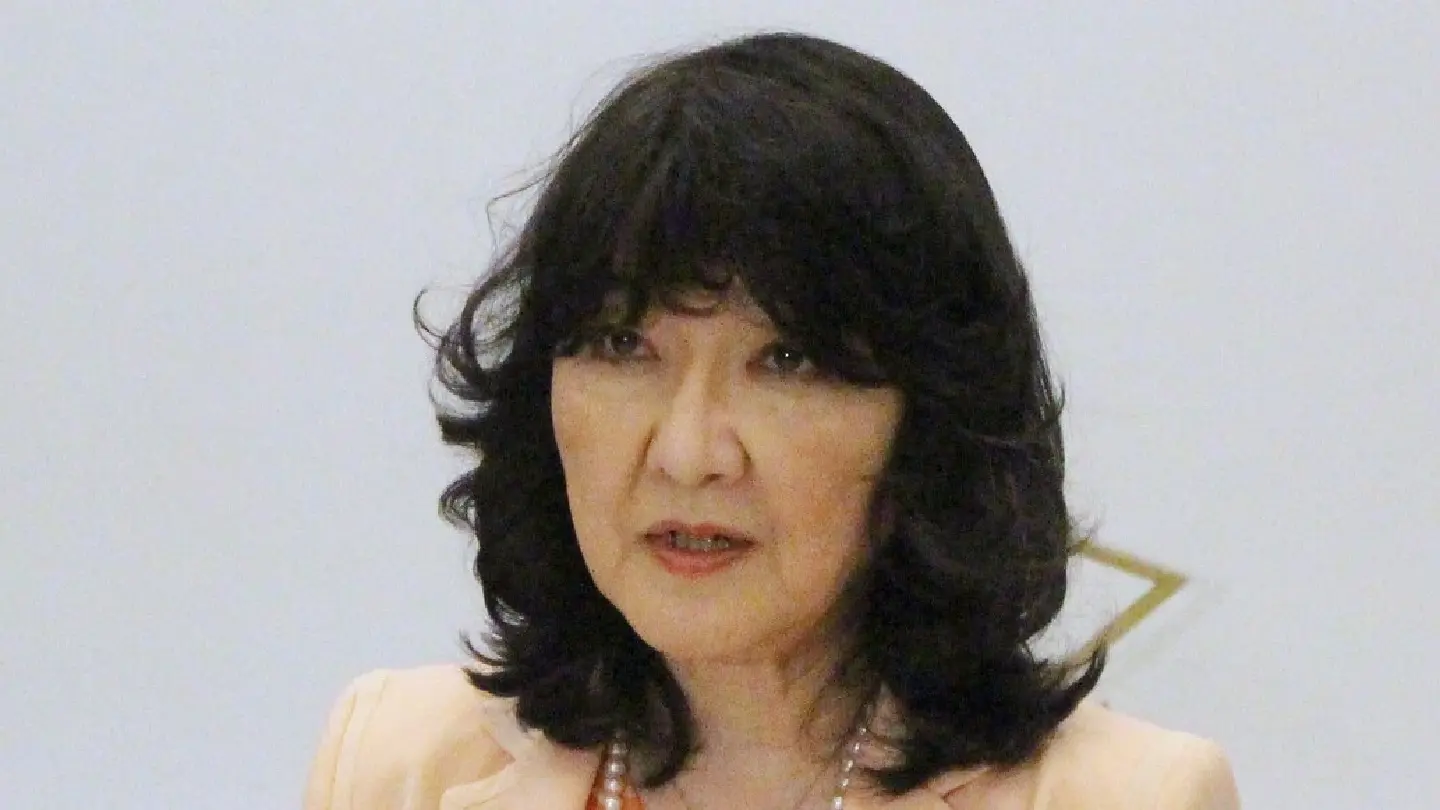


No joint statement emerged, but Japan said G7 officials agreed on easing Middle East tensions, restoring Hormuz passage and monitoring oil prices.
- G-7 finance ministers and central bank governors reached a common understanding on the need to de-escalate tensions in the Middle East.
- A key goal discussed was restoring free passage through the Strait of Hormuz to calm the situation.
- In response to the tensions, Japan plans to offer financial aid to Asian countries struggling with oil supply and noted that G-7 authorities are watching oil prices closely.
- Despite the shared understanding, the G-7 officials did not adopt a formal joint statement on the matter.
Finance ministers and central bank governors from the Group of Seven major industrialised countries on Wednesday (April 15) sought to de-escalate tensions in the Middle East at an early date.
"There was a common understanding that the situation should be calmed down as much as possible, including restoring free passage through the Strait of Hormuz," Japanese Finance Minister Satsuki Katayama said at a press conference after the G-7 meeting in Washington.
The G-7 officials did not adopt a joint statement.
During the meeting, Katayama outlined her country's plan to provide financial and technical assistance to Asian countries struggling to secure oil supply. "I emphasised that the economies of Asian countries require particular attention," she said.
Katayama said she also told the G-7 meeting that Japanese authorities are closely watching oil futures prices because they affect people's lives and the economy.
Many central bank governors said they are taking a wait-and-see monetary policy stance, according to the Japanese finance minister.

[Copyright The Jiji Press, Ltd.]
