
Malaysian aquaculture benefits from Thailand trade policies
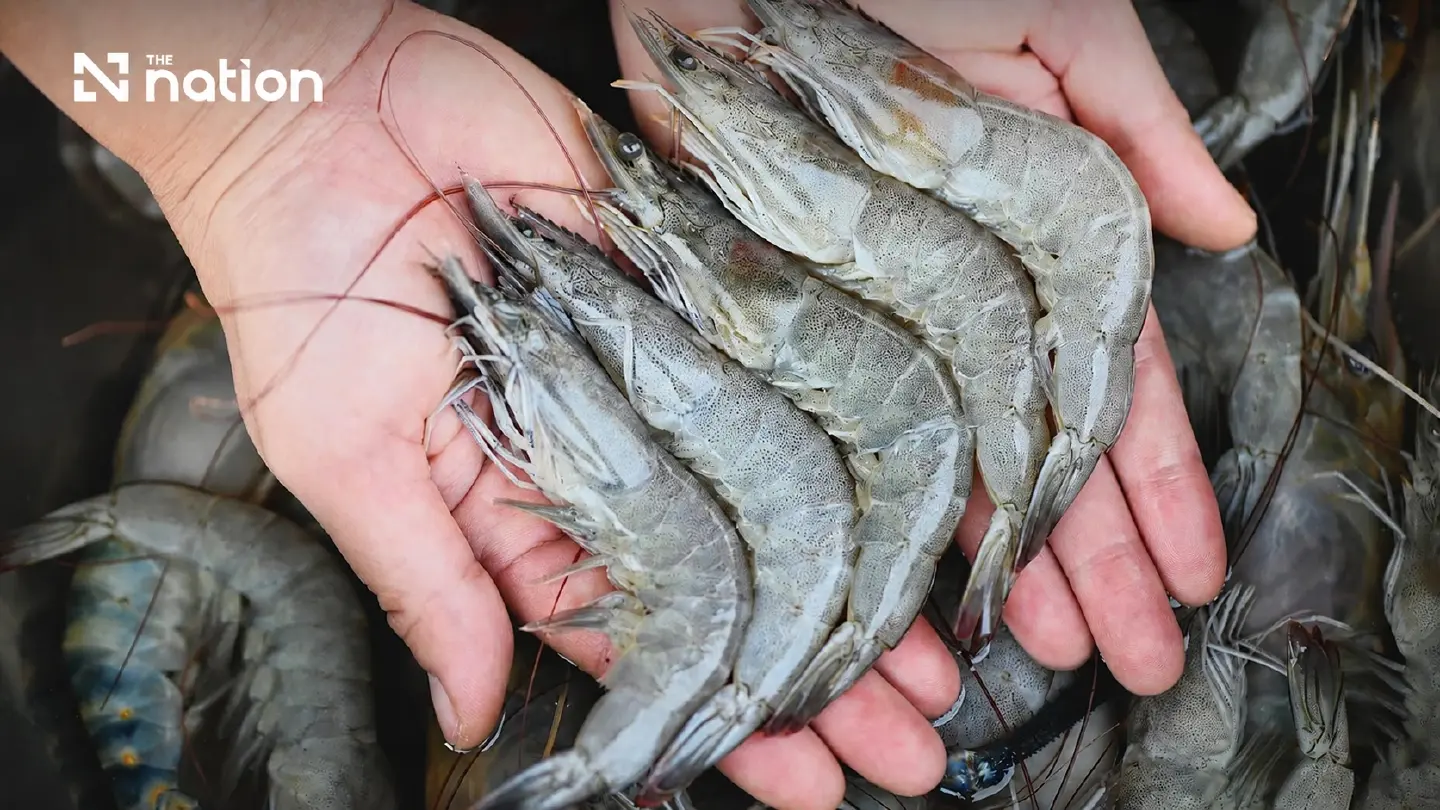


Restrictions on prawn imports and seabass exports will allow domestic farmers to strengthen the supply chain, increase production, and explore alternative markets.
- Thailand's ban on prawn imports allows Malaysian producers to increase local output and reduce reliance on foreign sources, as domestic capacity is sufficient to meet demand.
- While restrictions on seabass exports to Thailand present a challenge, they create an opportunity for Malaysia to diversify into new markets and develop value-added products.
- The trade policy changes are viewed as a strategic chance to strengthen the entire domestic aquaculture supply chain, from production to downstream industries, enhancing the sector's resilience.
The ban on prawn imports from Thailand and the restrictions on seabass exports are set to benefit local producers by allowing them to increase output and reduce reliance on foreign sources.
Fisheries Department director-general Datuk Adnan Hussain confirmed on Thursday, 18 June, that the local aquaculture industry has adequate capacity to gradually offset any supply shortfalls.
Highlighting the stability of the local market, Datuk Adnan stated, "The country's prawn supply remains stable and sufficient to meet domestic market demand.
Changes to import patterns will not affect food security, as the domestic aquaculture industry has sufficient capacity to gradually fill any supply gaps.
" He further noted, "At the same time, the situation presents an opportunity for local producers to further increase production, strengthen the domestic supply chain and reduce reliance on imported sources."
Malaysia’s seabass exports have historically relied heavily on Thailand.
Between 2022 and 2024, the export value to Thailand experienced a compound annual growth rate (CAGR) of 55.7%, climbing from RM38.21 million to RM92.64 million, with volumes rising from 4,838 metric tonnes to 9,285 metric tonnes.
Datuk Adnan emphasised, "In 2024, Thailand accounted for 80.6% of Malaysia's total global seabass export value of RM114.99mil, highlighting the industry's heavy reliance on the Thai market."
Despite these strong figures, the shift in trade policies introduces challenges.
Decreased access to the Thai market could lead to a domestic oversupply of seabass, putting pressure on farmgate prices and the profit margins of aquaculture operators.
However, discussing the prawn ban, Datuk Adnan explained, "The ban on prawn imports from Thailand is expected to affect domestic market supply patterns, but any supply shortfall is expected to be offset by local prawn production, which remains stable and competitive."
Existing domestic production capacity is capable of securely meeting rising market demand without compromising the country's food security.
Concluding on a positive note, Datuk Adnan stated, "The current developments also present strategic opportunities to strengthen downstream industries through the development of value-added products, expansion into new markets and reduced reliance on imported sources, thereby enhancing the resilience of the country's fisheries industry in the face of global market uncertainties."
The department will continue monitoring developments, exploring alternative markets, reinforcing the domestic supply chain, and providing continued support to industry players to ensure a competitive and sustainable sector.
The Star
