
Oman proposes voluntary Hormuz fees in Gulf-backed plan
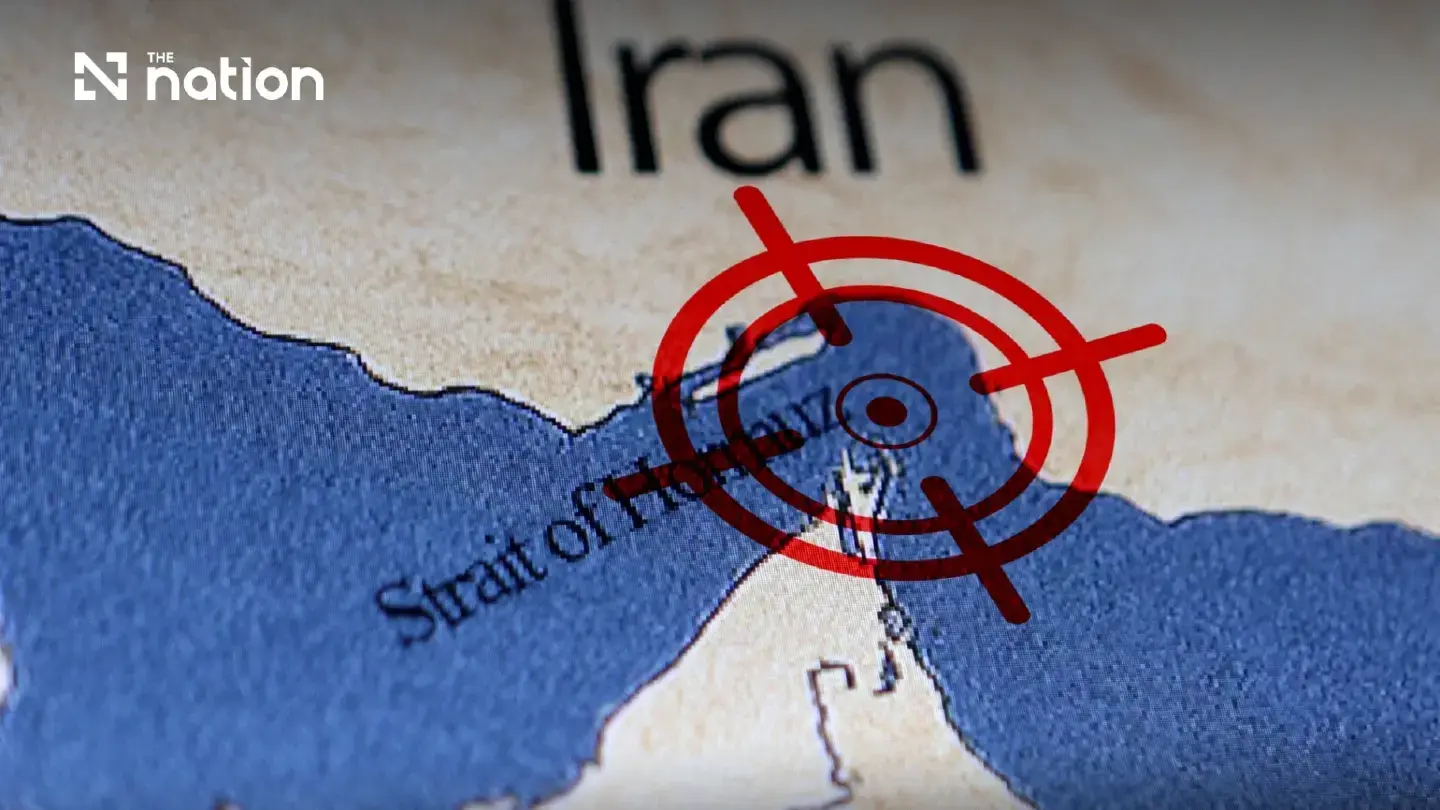


The proposal would allow Iran to receive voluntary payments from ships while preventing Tehran from exercising sole control over the waterway
- Oman, with backing from Gulf nations, has proposed a plan to Iran for voluntary payments from ships using the Strait of Hormuz.
- The proposal suggests Iran would share responsibility for managing the strait, not have exclusive control, with the voluntary system modeled on the one used in the Strait of Malacca.
- The United States opposes the plan, maintaining that the international waterway should remain free from any fees or Iranian restrictions.
Oman has submitted a Gulf-backed plan to Iran that would allow Tehran to receive voluntary payments from ships using the Strait of Hormuz without giving it exclusive control of the strategic waterway.
A Gulf source and a Western diplomat briefed on the proposal said it was intended to provide a basis for ending the disruption to maritime trade caused by the US-Israeli war with Iran.
The plan would involve voluntary contributions rather than compulsory tolls. Iran would also share responsibility for managing the strait instead of controlling it alone.
The United States, however, maintained its opposition to any charges on vessels. A US official described the strait as an international waterway that should remain free from Iranian restrictions and said the agreement being discussed would not include tolls or fees.
Voluntary system modelled on Malacca Strait
Iran has sought a management arrangement with Oman, which controls the opposite side of the strait, and has proposed charging ships for services.
Iranian Deputy Foreign Minister Kazem Gharibabadi said Tehran had suggested managing one-way traffic through the Iranian side, while Oman would oversee part, but not all, of shipping in the other direction.
Under Oman’s proposal, any payments would be optional. The arrangement would resemble the system used in the Strait of Malacca, where Indonesia, Malaysia and Singapore request voluntary contributions from vessels to support navigation, environmental protection and search-and-rescue services.
A Western diplomat compared the proposal with optional carbon-offset payments offered to airline passengers.
Gulf Cooperation Council foreign ministers discussed the conflict by video conference on Tuesday, including closer cooperation to protect freedom of navigation and vessel safety, according to Qatar’s Foreign Ministry.
Washington and Tehran remain divided
US President Donald Trump said talks with Iran were progressing but warned that American military action could resume unless an agreement was reached.
Trump halted a renewed US bombing campaign over the weekend after 13 nights of strikes. He later said Washington was in a strong position and remained prepared to order further attacks, although he preferred to avoid doing so.
Iran denied that it had sought new negotiations with the United States. Tehran accused Washington of breaching a framework agreed the previous month for talks aimed at ending the war.
Iran had previously announced that it would suspend attacks for as long as the United States did the same. US Central Command nevertheless reported on Tuesday that Iranian ballistic missiles had been launched towards American forces in the Middle East and intercepted.
Saudi Arabia also reported intercepting drones targeting oil facilities. Defence Ministry spokesman Turki al-Maliki attributed the attacks to Iran-backed militias operating from Iraqi territory. Drone incidents were reported in Jordan, Saudi Arabia and northern Iran.
Dispute follows partial reopening
Around one-fifth of global oil and liquefied natural gas supplies passed through the Strait of Hormuz before the war.
Iran effectively closed the route to most foreign vessels after the United States and Israel launched attacks on February 28. An agreement between Washington and Tehran partially reopened the strait in June, while further negotiations were planned on broader issues, including Iran’s nuclear programme.
That arrangement broke down in early July after Iran fired on vessels using a shipping channel it did not recognise.
Washington wants to restore the pre-war system, under which ships could use the strait without payment. It argues that compulsory Iranian charges would be unlawful.
Iran’s joint military command has also rejected Trump’s proposal to compensate damaged vessels using frozen Iranian assets. State media reported that the command threatened to deny passage to any country or company accepting such compensation.
Shipping risks have also increased in the Red Sea. Yemen’s Iran-aligned Houthi movement announced a blockade of Saudi ports on July 20 and later reported firing ballistic missiles at a Saudi oil tanker, forcing it to turn back.
Oil prices continued falling after the United States suspended its air campaign. Brent crude futures dropped 5.1% on Tuesday to below US$84 a barrel, following a decline of about 8% on Monday.
