
Kumamoto earthquake toll rises as shelters face intense heat


Searches for missing people continue as water and power cuts affect tens of thousands of households and medical facilities across Kumamoto Prefecture.
- The death toll from the magnitude-7.1 earthquake in Kumamoto has risen to 34, with searches continuing for missing people and nine additional deaths under investigation.
- Approximately 9,450 people in 406 evacuation centers are facing intense heat with temperatures around 35 degrees Celsius, prompting plans to install portable air conditioners.
- The disaster has caused widespread damage, leaving nearly 80,000 households without running water and 12,000 without electricity.
Kumamoto Prefecture’s disaster response headquarters had confirmed 34 deaths by 3pm on Thursday (July 30), two days after a magnitude-7.1 earthquake struck south-western Japan.
Five people were seriously injured, while searches continued for those still missing and authorities had yet to establish the full scale of the destruction.
The recorded fatalities comprised 11 people in Yatsushiro, seven in Kashima, four in Hikawa, two in Uki and one in Kosa.
Nine additional deaths were being investigated to determine whether they were linked to the earthquake.
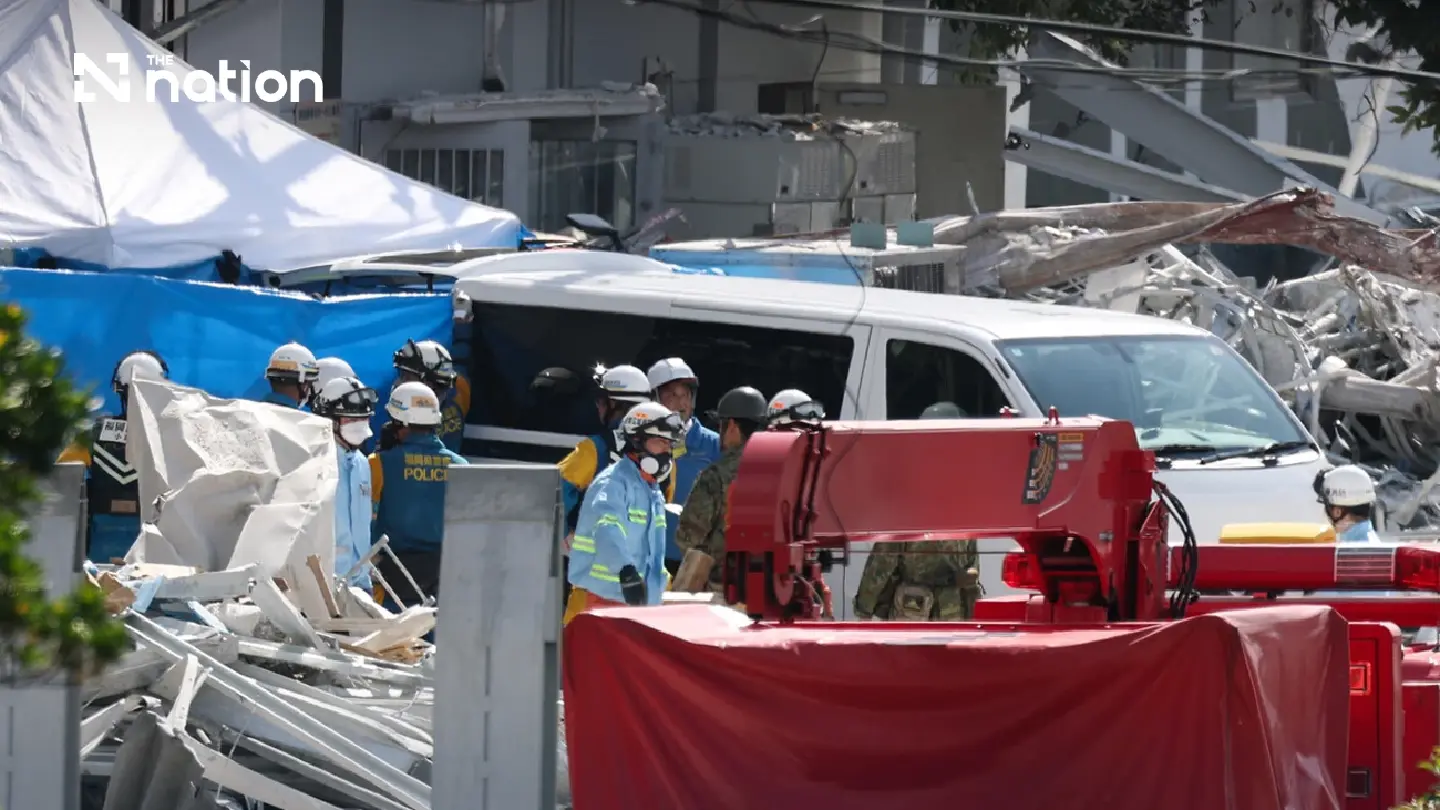
All seven victims in Kashima were workers at Aeon Mall Kumamoto, where an explosion occurred after the tremor.
They were among 12 people recovered from the rubble.
At a damaged Nippon Paper Industries Co. plant in Yatsushiro, 10 people were found after a chimney collapsed.
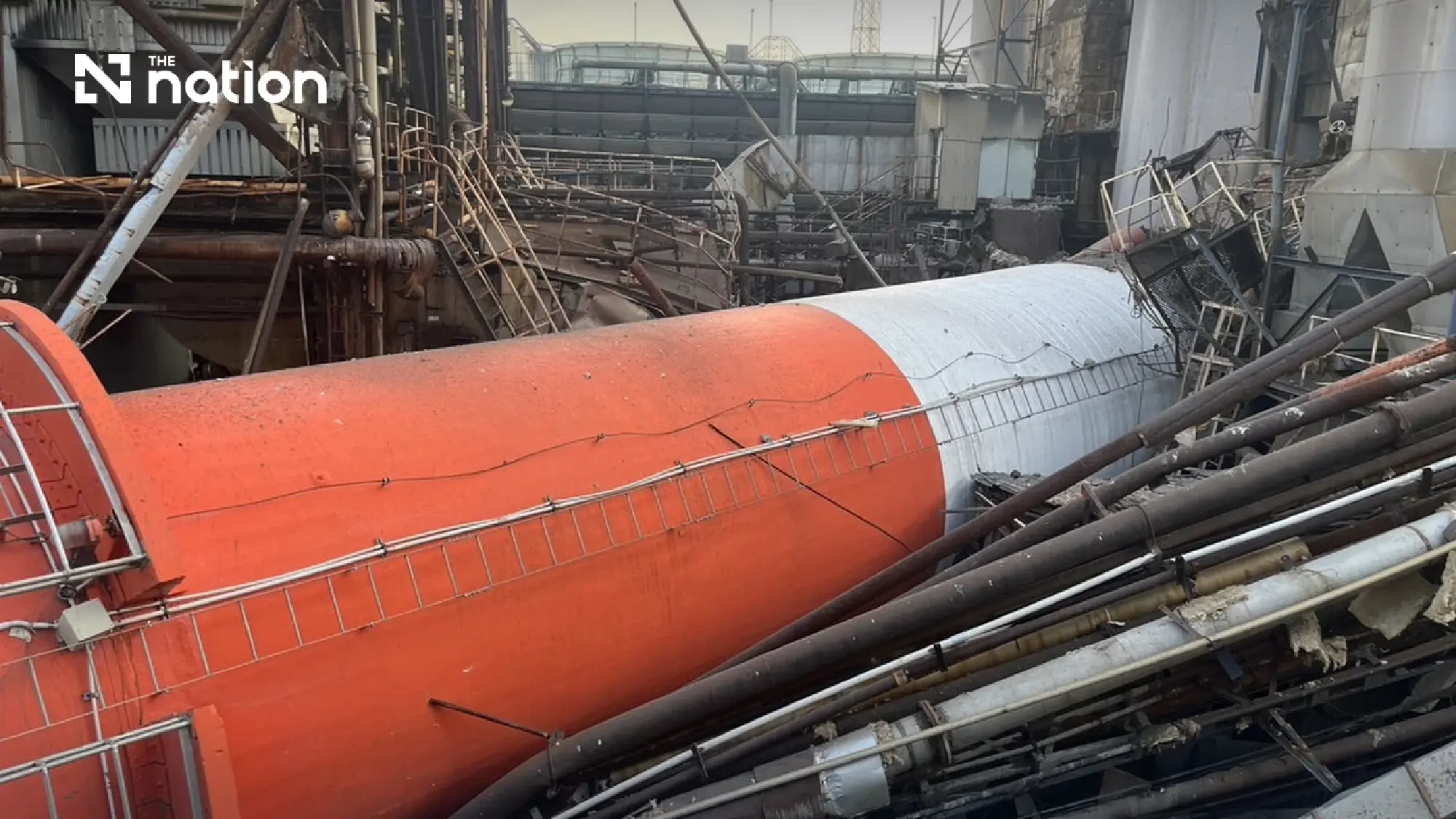
Eight were pronounced dead, while one further person was still believed to be missing.
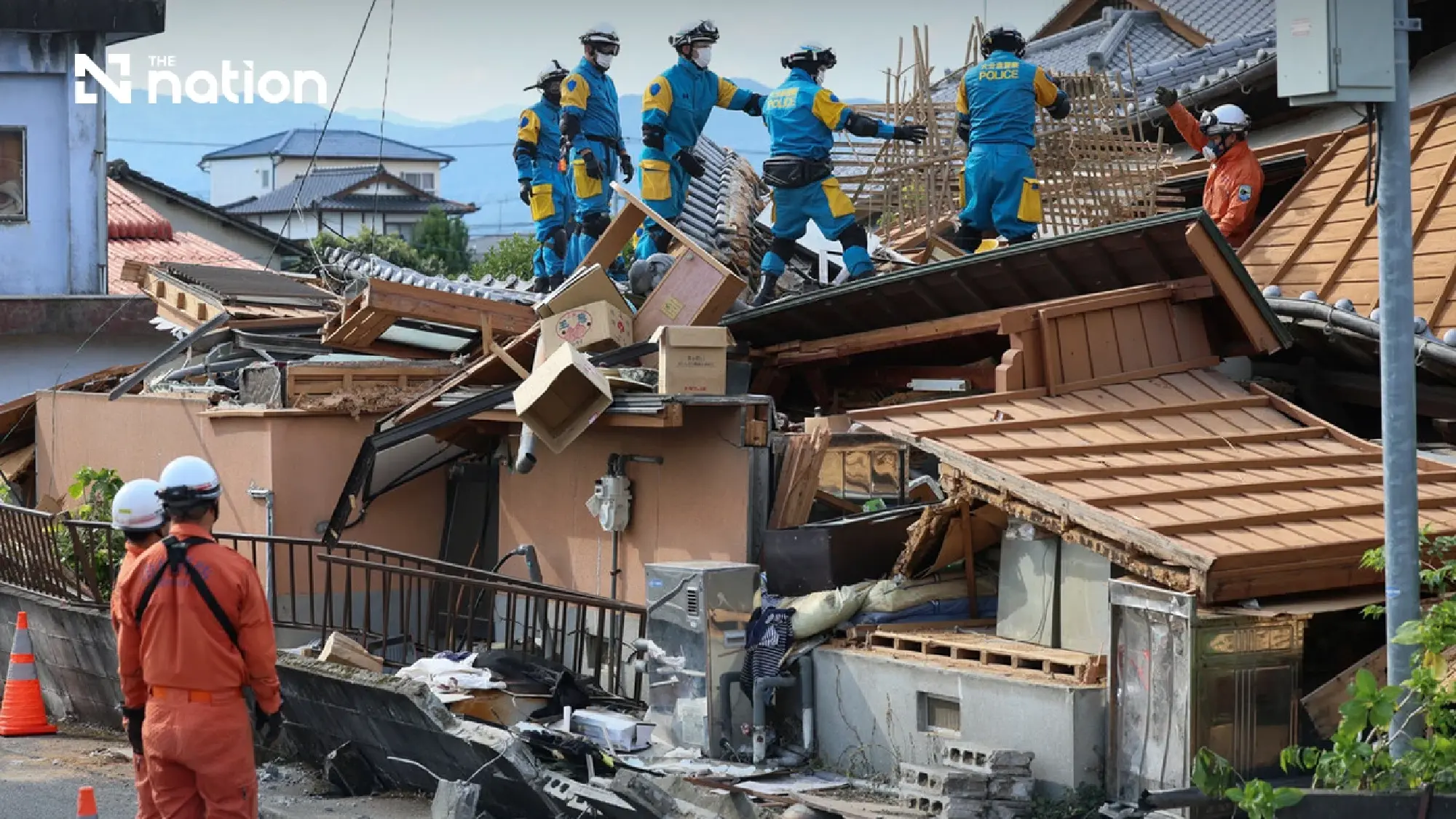
Officials had confirmed that homes were destroyed and bridges damaged in the worst-affected areas, although assessments of the overall damage remained incomplete.
A total of 9,450 people were staying at 406 evacuation centres.
Temperatures reached about 35 degrees Celsius in several parts of the prefecture on Thursday and were forecast to remain near that level for several days.
The prefectural government planned to install portable air conditioners at shelters and welfare facilities with support from the Self-Defense Forces.
At least 79,700 households in Kumamoto, Uki, Uto, Yatsushiro and Hikawa remained without running water.
About 12,000 households in Uki, Yatsushiro and Hikawa had no electricity.
Medical facilities in Uki, Yatsushiro and Mifune were also affected, prompting the deployment of Disaster Medical Assistance Team (DMAT) personnel from outside the prefecture.
At a government meeting in Tokyo on Thursday, Prime Minister Sanae Takaichi announced that a local response headquarters would be established at the Kumamoto prefectural office.
“We will make a united effort based on needs,” Takaichi said.
The earthquake struck at around 4.27pm on Tuesday, registering the maximum seismic intensity of 7 in Uki and Hikawa.
It reached the upper 6, the second-highest level on Japan’s scale, in Yatsushiro, Kumamoto City and other areas.
Kumamoto was also struck by two successive major earthquakes in April 2016, both of which registered intensity 7.
The Japan Meteorological Agency warned that another earthquake reaching around intensity 7 could occur within about one week of Tuesday’s tremor.

[Copyright The Jiji Press, Ltd.]
