
Japan debates extra budget for Kumamoto earthquake recovery
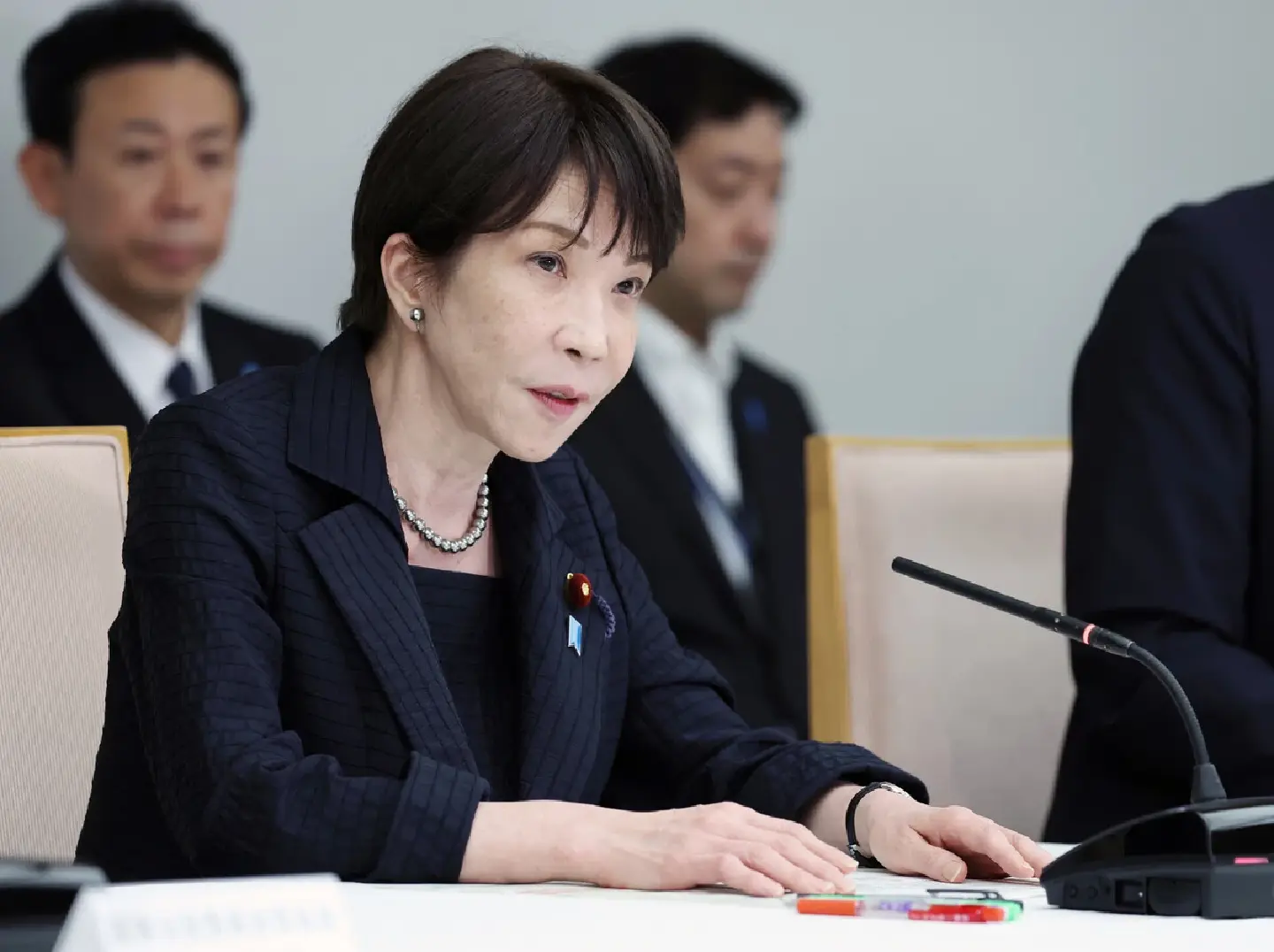


Government figures are weighing whether reserves can meet Kumamoto’s recovery needs as an unfunded food tax cut adds to fiscal pressures.
- A debate has emerged within Japan's government on whether to fund the Kumamoto earthquake recovery using 1 trillion yen in existing reserves or by creating a new supplementary budget.
- Supporters of a new budget argue it sends a stronger message of commitment to disaster victims, while others believe the existing reserve funds are sufficient for the immediate response.
- The push for an extra budget conflicts with the current administration's policy of reducing reliance on supplementary spending to improve fiscal discipline.
- While the government remains officially noncommittal, the opposition is pressing for swift action, including the creation of a supplementary budget.
A divide has emerged within Japan’s government over how to finance recovery in Kumamoto Prefecture, south-western Japan, after Tuesday’s powerful earthquake caused extensive damage.
Support remains substantial within the government and the ruling Liberal Democratic Party (LDP) for using the 1 trillion yen already available in general reserves.
The money was set aside for natural disasters and other unforeseen circumstances and is viewed by some officials as sufficient for the immediate response.
“For now, we can use the reserve funds,” a government source stated.
A former cabinet minister from the LDP added: “It will be enough for the time being.”
That approach is not universally accepted.
A senior LDP official argued that relying on existing reserves would send a different message to affected communities from announcing a dedicated reconstruction package.
“From the perspective of people in disaster-hit areas, there is a difference in perception between saying, ‘We can cope with the situation with reserve funds,’ and saying, ‘We will compile a supplementary budget for reconstruction and revitalisation,’” the official stated.
The remarks pointed towards the possible need for a separate package.
Some officials in Prime Minister Sanae Takaichi’s administration have consequently raised the prospect of preparing a second supplementary budget for fiscal 2026.
The administration has not committed itself to that course.
Asked about the issue at a Friday press conference, Chief Cabinet Secretary Minoru Kihara replied: “I could not say anything at this point.”
A senior government official was equally noncommittal, responding: “We don’t know at this point.”
The choice bears directly on Takaichi’s effort to place the regular budget at the centre of government spending and reduce repeated reliance on supplementary packages.
Under the Basic Policy on Economic and Fiscal Management and Reform, approved by the cabinet in July, the government aims to reduce its dependence on supplementary budgets.
The policy still permits them when urgent circumstances require additional spending, although Takaichi has presented the wider shift as a major fiscal reform.
Her recently announced plan to reduce the consumption tax on food products to virtually zero for two years from next April adds another financial constraint.
The measure would require 10 trillion yen, but its funding source has yet to be identified.
Analysts warned that authorising further spending, including money for reconstruction programmes, could heighten concerns over fiscal discipline and weaken market confidence.
A supplementary budget was used after the Kumamoto earthquakes in April 2016.
The administration of then Prime Minister Shinzo Abe prepared and secured passage of a package containing reconstruction measures the following month.
The major opposition Centrist Reform Alliance has meanwhile pressed the government to act without delay.
“While keeping in mind the need for a supplementary budget, we urged the government to take concrete measures as soon as possible,” party leader Junya Ogawa told a Friday press conference.

[Copyright The Jiji Press, Ltd.]
