
Trump signals Iran deal progress as Hormuz reopening nears
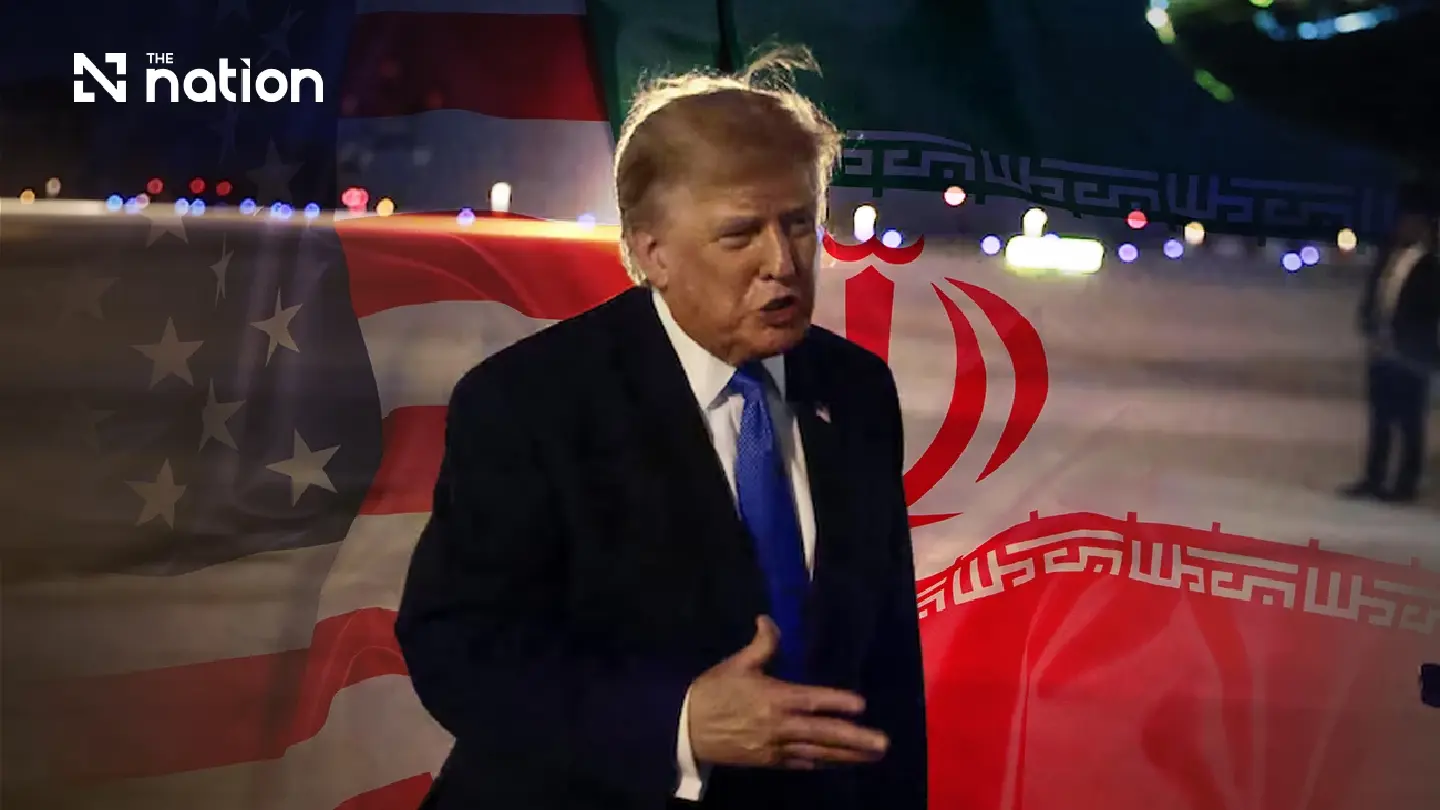


Donald Trump says US-Iran talks made progress as hopes rise for reopening the Strait of Hormuz and easing the five-month conflict.
US President Donald Trump said Washington and Tehran had held “very good discussions” during all-day negotiations on Tuesday, raising expectations that a deal could be reached to ease the five-month conflict and reopen the Strait of Hormuz.
Oil prices fell and Asian stocks rose on Wednesday after Wall Street reached record highs, as investors reacted to hopes that an agreement could restore shipping through the strategic waterway, which handles around one-fifth of global oil and liquefied natural gas shipments.
Trump said the Strait of Hormuz “is going to be open very soon”, while warning that Iran would face a strong response if it withdrew from negotiations.
Talks focus on reopening key shipping route
Trump told Fox News’ “@ Night” programme that negotiations with Iran had continued throughout Tuesday.
Axios, citing two regional sources and a US official, reported that Washington and Tehran were nearing an interim agreement to reopen the Strait of Hormuz with Oman’s involvement. The report said the US was seeking an announcement on Wednesday.
However, Iranian state media, citing an informed source, reported that any agreement with Oman on the waterway would be delayed as long as Washington continued to threaten Iran.
Iranian Foreign Ministry spokesperson Esmaeil Baghaei said talks with Oman on transit through the strait had been positive and were continuing. He said discussions focused on establishing safe shipping routes while protecting the sovereign rights and national security interests of Iran and Oman.
Conflict objectives remain unresolved
Trump has repeatedly threatened major strikes if Tehran failed to reach an agreement, while later pointing to progress in negotiations that have so far failed to end hostilities.
At the start of the conflict, Trump set out goals including dismantling Iran’s nuclear programme, limiting its ability to attack regional rivals and creating conditions for Iranians to challenge the country’s clerical leadership.
Iran has restricted much of the traffic through the Strait of Hormuz, while Washington continues a blockade targeting Iran-linked shipping and ports.
Qatar has also been involved in mediation efforts. The Qatari government said Emir Sheikh Tamim bin Hamad Al Thani and Trump discussed efforts to narrow differences between Washington and Tehran during a phone call on Tuesday.
Maritime risks continue in region
The Strait of Hormuz is not the only route affected by regional tensions. Yemen’s Iran-aligned Houthi movement has imposed a naval blockade affecting Saudi Arabia’s Red Sea shipping routes.
A projectile struck an Indian-flagged vessel near Yemen, causing it to capsize and sink, although all 14 crew members were rescued, Indian officials said. Yemen blamed the attack on the Houthis.
The International Maritime Organization has reported at least 17 seafarer deaths from 64 incidents in the Strait of Hormuz since the war began on February 28.
Iran has reported more than 3,400 deaths since the United States and Israel launched the war, while Washington has reported 18 military personnel killed. The Iranian government previously reported 50 people killed and 500 wounded by US strikes since hostilities resumed in late June, before later reporting further deaths from a US strike on Qeshm in late July.
